WASHINGTON– The Defense Credit Union Council (DCUC) has sent a letter urging the House and Senate Armed Services Committees to include H.R. 1799, the Financial Reporting Threshold Modernization Act, in the Fiscal Year 2026 National Defense Authorization Act (NDAA).
DCUC noted the bipartisan legislation would modernize decades-old financial reporting thresholds under the Bank Secrecy Act (BSA), “reducing outdated compliance burdens, strengthening consumer financial privacy, and enabling credit unions to better serve active-duty servicemembers, Guard and Reserve members, veterans, Department of Defense civilians, and military families.”
Increase in Reporting Thresholds
Key provisions of H.R. 1799 include raising the Currency Transaction Report (CTR) threshold from $10,000 to $30,000, with adjustments for inflation every five years, and raising the Suspicious Activity Report (SAR) threshold from $5,000 to $10,000, modernizing requirements unchanged since 1992.
As the CU Daily reported here, America’s Credit Unions also earlier expressed its support for the changes.
‘Decades of Economic Change’
“These moderate adjustments reflect decades of economic change,” DCUC President/CEO Anthony Hernandez said in a statement. “Updating these thresholds will reduce unnecessary filings, better protect consumers’ privacy, and allow credit unions to focus resources on serving their members—particularly the military community.”
DCUC’s letter noted that the Government Accountability Office (GAO), as mandated by the Anti-Money Laundering Act of 2020, has recommended raising outdated reporting thresholds, noting that millions of reports generated annually provide little value to law enforcement.
“By indexing thresholds to inflation, H.R. 1799 would ensure reporting requirements remain effective and relevant over time,” DCUC said. “Modernizing these requirements will significantly reduce the volume of routine CTR and SAR filings, many of which capture ordinary financial activities such as car purchases or small business deposits. Fewer unnecessary reports will mean stronger financial privacy protections for consumers—particularly military families—while allowing law enforcement to better target suspicious activity.”
Taking Time From Members
“For credit unions, every hour spent on outdated compliance tasks is time taken away from serving servicemembers,” Jason Stverak, DCUC chief advocacy officer, added. “This legislation will allow these institutions to reinvest resources into financial education, affordable credit, and emergency assistance for military families—directly contributing to financial readiness and national defense.”
DCUC Joins Allied Solutions at Event
Separately, DCUC said it joined with its newest strategic partner, Allied Solutions, during its Client Networking Conference (CNC) at Montage Deer Valley in Park City, Utah.
Pete Hilger, Allied Solutions CEO, opened the conference with remarks on vision and resilience. Sessions included presentations on leadership psychology, including a keynote by Lt. Col. Dan Rooney, founder of the nonprofit Folds of Honor.
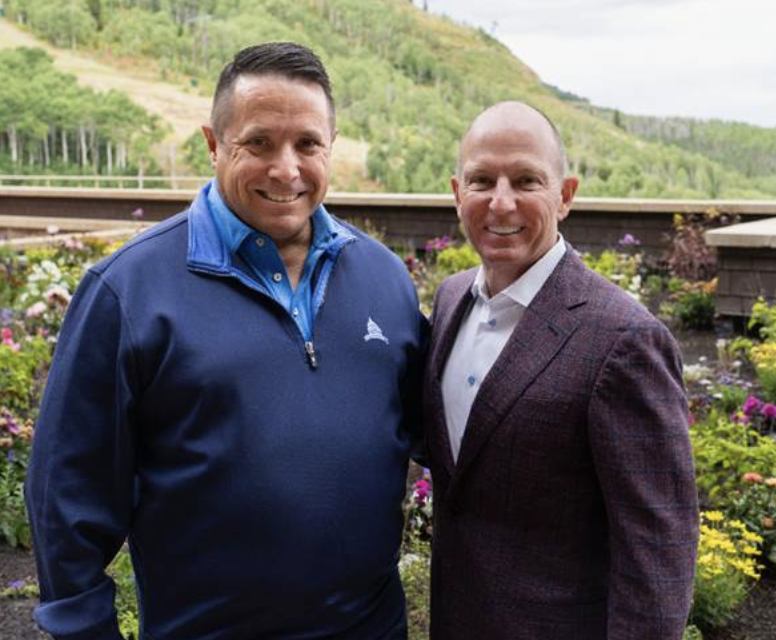
“DCUC and Allied Solutions reaffirmed their shared commitment to creating impactful opportunities for credit union leaders—from the CNC and their recent co-hosted luncheon, which sparked the formation of an Interstate DCUC Sub-Council, to the highly successful DCUC Annual Conference where Allied Solutions served as an Elite Sponsor,” the organization said in a statement.
‘Alignment in Mission’
“With any partnership, an alignment in mission and vision is imperative to bringing measurable impact and success, and we’ve found that with DCUC,” Hilger said. “We’re honored to stand side by side with a committed partner, advocate, and industry innovator.”
Added DCUC’s Hernandez: “DCUC is proud to partner with Allied Solutions in shaping the future of the credit union movement. Together, we are committed to advancing advocacy, delivering powerful educational resources, and expanding member value. This collaboration is not only strengthening protections for credit unions and their members but also positioning our industry to successfully meet the evolving challenges and opportunities of tomorrow’s financial landscape.”