LAS VEGAS–A shared service initiative aimed at helping small and midsize credit unions create greater efficiencies that address four different “pain points” was officially introduced here.
The Credit Union Shared Services (CUSS) effort has been led by Mitchell Stankovic Associatesand a number of partner companies and has been designed to provide scale to credit unions, deliver cost savings and offer greater capabilities around four pillars:
• Fractional management
• Back-office solutions
• Modern technology
• Executive retirement programs
Discussing the new initiative during Mitchell Stankovic’s Underground meeting were:
• Lisa Arthur, SVP, Sensedia USA
• Bill Butler, CEO, Kachinga
• Shirley Senn, chief community development and impact officer, NOFFCU
• Jay Petty, EVP, The Sheeter Group
• Juan Luna, chief core systems officer, Rize CU
• Rahul Kumar, VP and GM, Talkdesk
• George Estrada, founder, Orion Digital Services
• Adam Anderson, chief revenue officer, Blossom
CUSS follows the authorship of a white paper that identified the four major challenges credit unions face and was introduced after a year of R&D, according to the company.
Here’s some of what was discussed during the meeting:
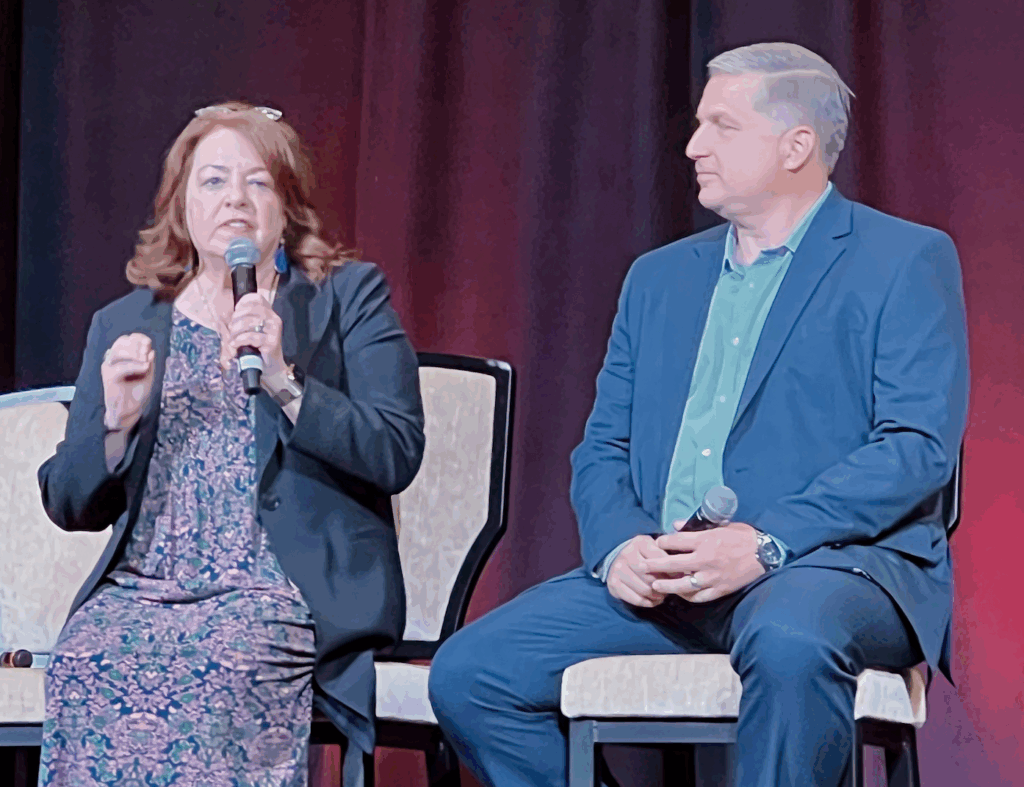
Back-Office Solutions
Lisa Arthur, Sensedia: “At Sensedia we bridge old and new systems. We think CUSS is important because if you take a step back and look at credit unions today, they are facing a conundrum: growing deposits, growing members, growing products and services to meet members’ needs. And yet to thrive we have to innovate. A lack of resources is creating inertia that we need to stop now.
“Our role with CUSS is to help reinforce what we did in Latin America with Sicredi. They have an open finance ecosystem that enabled them to get financial behavior insights to better understand behaviors and needs and build products and services to meet those needs. They’ve had real business results. Today, if we can’t integrate and innovate with fintech, how the hell are we going to integrate with AI?”
Bill Butler, Kachinga: “We’re taking what the team has developed during the research period to action. The technology and shared services are the two big pieces of what CUSS is about. Kachinga has software focused on financial education. A lot of times that is viewed as a loss leader, but in reality, it’s a growth strategy. What are some innovative ways to make a difference in the coming years?
“A lot of times we are investing to acquire members who already have banking relationships: 94% of U.S. adults are already banked. The average age of the member, 50-55, is scary. The cost of acquisition of adults is high. So, it’s not just financial education—it’s a growth strategy.
“We have brought on the first few of our shared services clients. This is about a shared experience with your own members, with your own brand, connected back to your own core.”
Member Experience
Rahul Kumar, Talkdesk: “At Talkdesk, we offer a partnership for credit unions that have a mission of being member first, employee second and community third. We offer the technology that allows CUs to compete and innovate, and we are a platform built for credit unions.
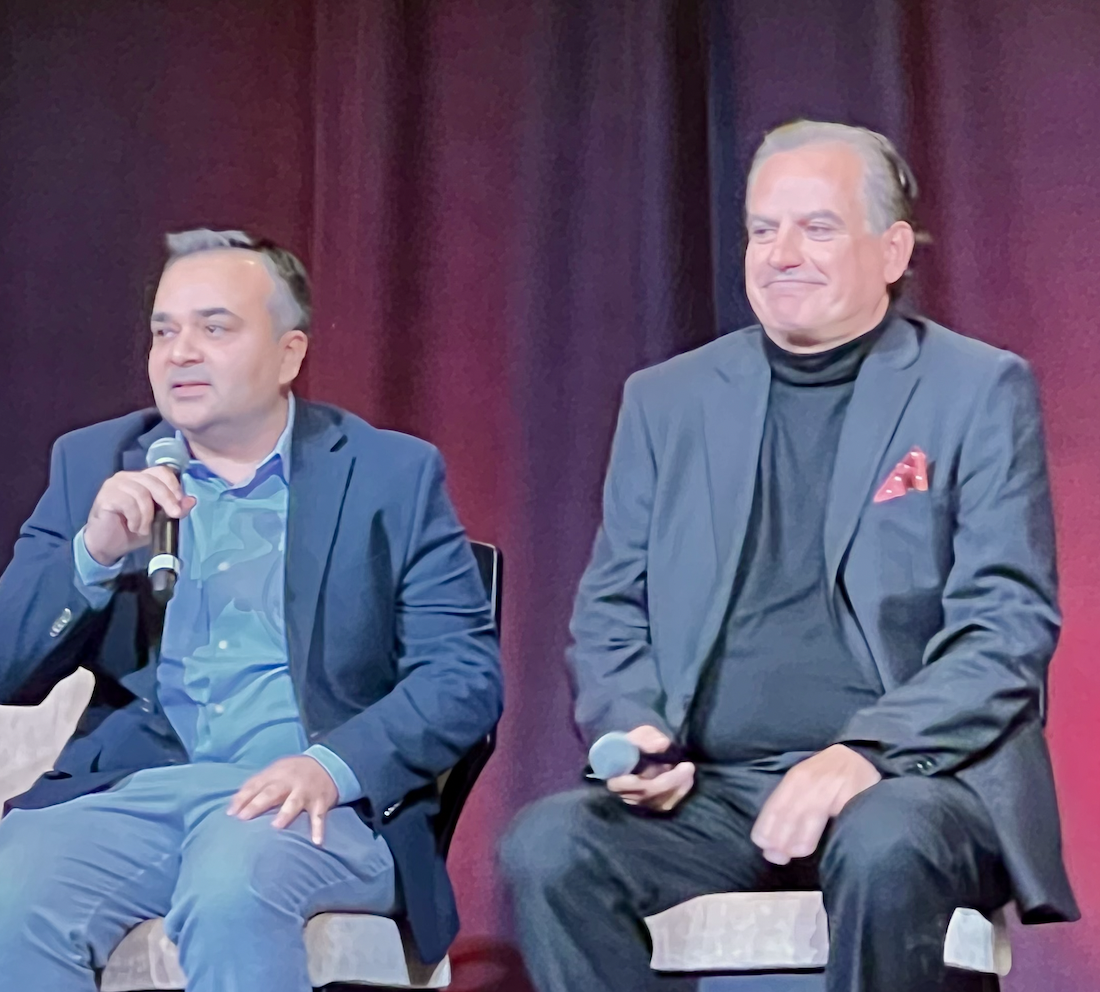
“AI is the buzzword, but we use it to pragmatically solve challenges credit unions are facing in frictionless member experiences regardless of the device or channel. Innovation doesn’t always mean reinvention.
“What makes CUSS interesting to us is we do not believe the size of the credit union should prevent it from delivering the best experience to members.”
Juan Luna, Rize CU: “We rolled out Talkdesk about a year ago, and it’s fascinating how technology can give you that lift. Our goal is member obsession. We want the experience to be meaningful. We are looking at automatically getting sentiment information from the model to let us understand the trends and where member experiences can have improvements. We use a Claude solution to help us parse through member experiences. The summary of the data is fantastic, and we can actionalize all that.
“AI in the last year has gotten to be more human than humans themselves. It can be more empathetic than humans. It is not robotic. If you are looking to move fast, the time is now.”
Fractional Executives
Jay Petty, The Sheeter Group: “We have a problem we need to address in credit unions. We are seeing way too many small and midsize credit unions merge for no good reason. The common theme is the CEO is not prepared for a retirement event. NCUA has acknowledged this. The succession planning rule goes into effect Jan. 1 and reflects this exact issue.”
Shirley Senn, NOFFCU: “There are managers who have literally been there from the first day the CU opened. They have put their entire life and blood into it and have nothing for retirement. With no solution in place, we say we want to take care of the members, so we think of the credit union down the street or the CU that wants to take us in because they want our capital.
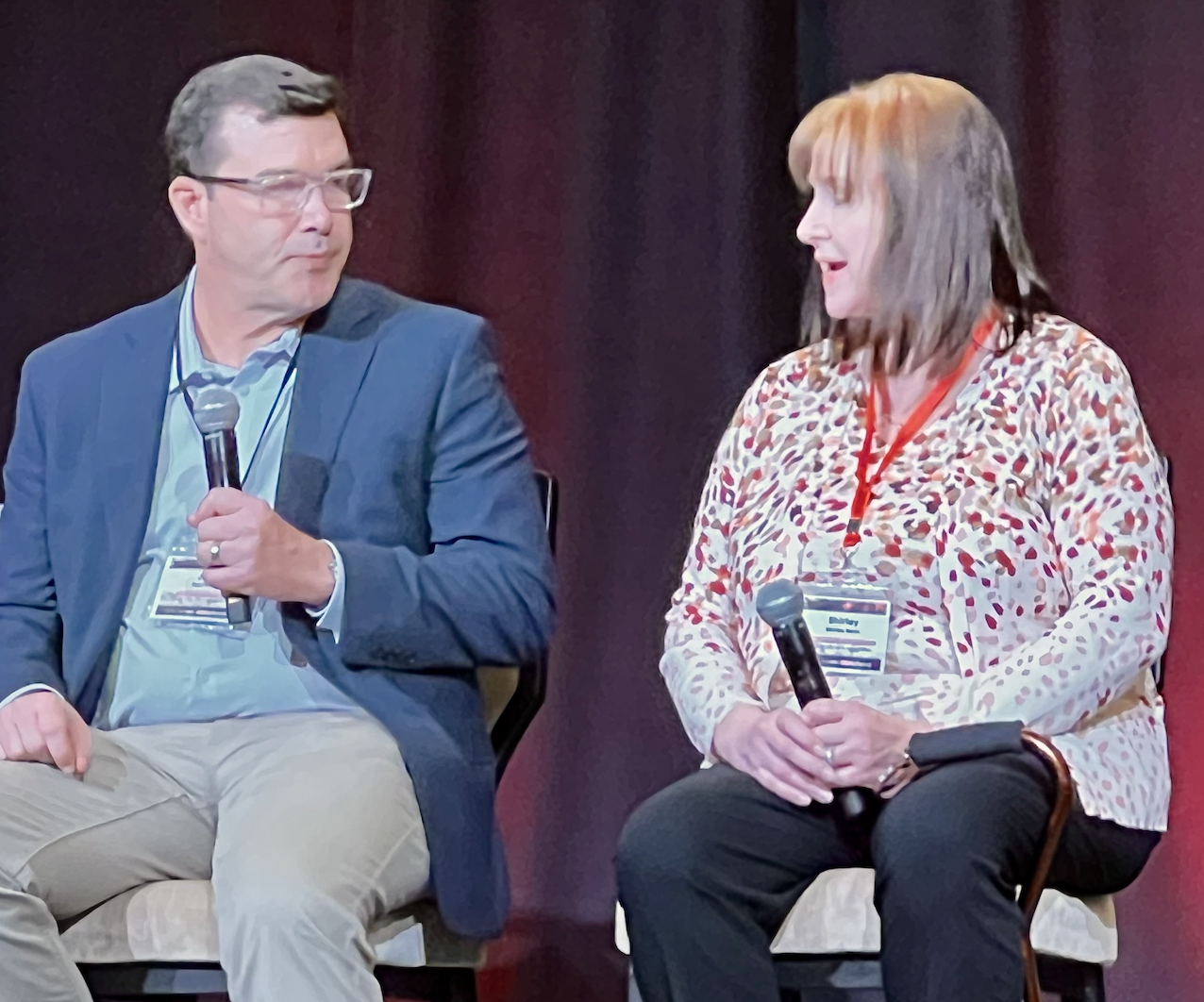
“If we are going to merge, it should be strategic.
“Succession planning is so important. We are so grateful to volunteers for their service, but there should be a succession plan for them, too.”
Petty: “Why should a credit union get involved in the CUSS program for retirement? We have designed a plan with discounted fees and discounted legal services. But the bigger reason is the community, the education, the white papers, the access to expertise. Small credit unions have unique needs, and there is an assumption that small and midsize CUs cannot afford to offer a SERP to their CEO. That is not what I’ve seen in my experience. The main impediment is getting it approved and funded at the board level, and that’s where education comes into play.”
Senn: “We want to make sure the credit union is set for a transition. While one piece is executive plans, we want to make sure our young professionals have been adequately trained and prepared. How do we keep the credit union going? As a CEO, you have to think, what do I want my legacy to be?
“There is also the opportunity for fractional executives. This is such an opportunity to share collective wisdom. We have got to be much better advocates of allowing fractional executives in our credit unions.
“Just because you’re small doesn’t mean you’re not large in heart and might. I challenge vendors: when you are developing things, think about how you can scale that with the small CU in mind. Don’t water it down. We also need to think that people helping people is also institutions helping institutions.”
Modern Technology
Adam Anderson, Blossom: “My background is in digital banking. Where we fit in the market is we like to say size doesn’t matter, because we understand that if the small credit unions go away and we continue to see consolidation of the market, we start to look like banks and look like Australia, and that would be catastrophic to credit unions here. (Australian credit unions lost their tax exemption.)
“We are not just a small credit union provider. We absolutely have the technology to serve every credit union in the market. We don’t turn our backs on the smallest credit unions; they need modern technology to compete more than anyone in the market.”
George Estrada, Orion Digital Services: “AWS, where I was previously employed, has focused a lot on Blossom, and the reason is AWS is a leader in innovation. I encourage executives all the time to ask, what is the roadmap of the organizations you are working with? It’s not just vision that gets you there, it’s execution. What is the Blossom roadmap?”
Adam Anderson, Blossom: “We are building an ecosystem. We want to touch consumers across every touchpoint they have and everything in the value chain. Cloud-native core solutions are the backbone you have to have, no matter how big or small you are.”