

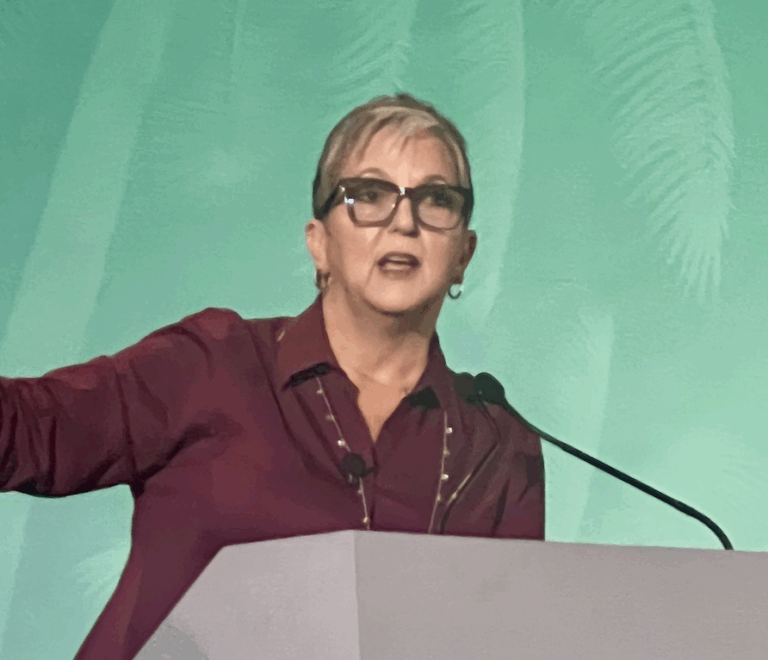
SAN DIEGO–When the CEO of CUES asked attendees of the organization’s Directors Conference here just how many were tired of hearing the words “transformational” and “unprecedented,” nearly all hands were raised. Heather McKissick said CUES has been working to help CU leaders address both those issues—but she also challenged CU directors to rethink what it means to be a board member and what the role of the board has become.
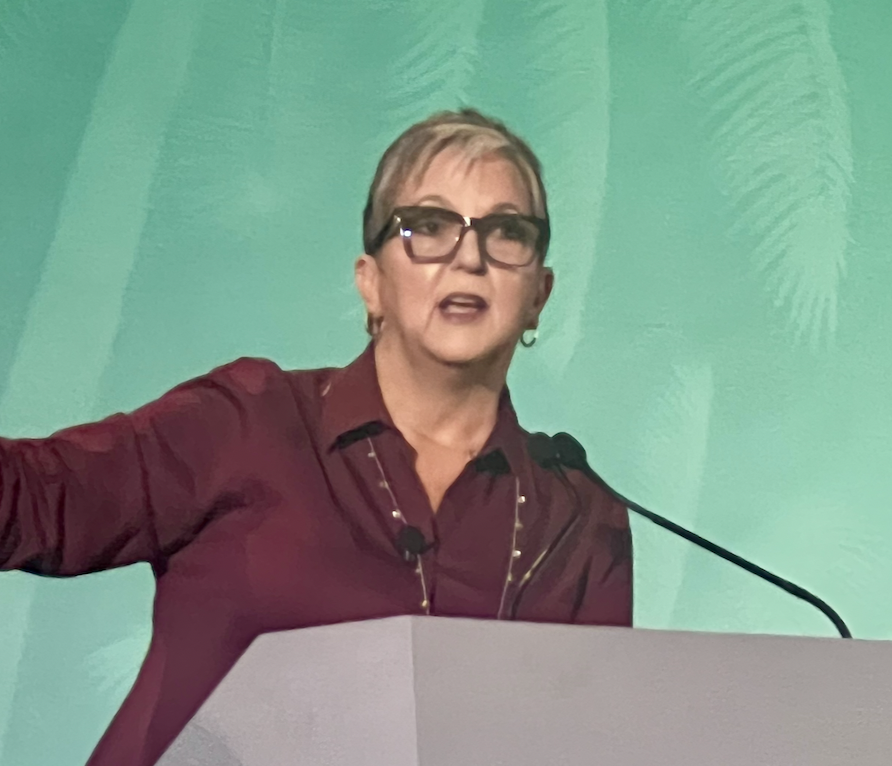
“That’s (CUES) job as the organization that has taken on the mantle of developing the leaders within the movement,” said McKissick, referring to providing resources for all that “transformational” and “unprecedented” change. “CUES has a very unique job to do and I want to share with you a little bit of the progress on some of the changes that we have made on your behalf.”
The New Resources
McKissick said the new or updated resources from CUES include:
- CUES Governance Toolkit. The toolkit includes five targeted learning modules designed to build essential skills, enhance collaboration and support better decision-making at every level of the organization.
- CUES Director Education Center. McKissick said the Education Center has been completely updated and is now far more in-depth and offers self-paced, comprehensive governance and leadership on one’s own time.
- Governance Leadership Institute, which is offered through Rotman School of management at the University of Toronto
Workshops are Popular
McKissick noted CUES also offers a wide variety of facilitated workshops where it goes into a credit union or a meeting of multiple credit unions and either online or in-person does leadership development.
“The one that’s been popular with boards and emerging leaders is polarity management, which is about not falling into the trap of either/or thinking, and not approaching things as problems to be solved, but instead polarities to be managed,” said McKissick. “CUES is investing a lot of time and energy so you don’t have to so you can come to us for the issues that matter most to you and for the skills you need to manage well under those circumstances.”

Rethinking the Role of Directors
There is another big, deep question boards need to be asking themselves, said McKissick, and it cuts to the very core of recruiting new board members and building a viable future for the credit union.
“How are we thinking about who is coming behind us as directors? What does it mean to them to be a director? Does being a director the way we think about being a director even appeal to them?” asked McKissick. “How do we engage that next generation not just as the next leaders of our credit unions but as the next leaders of the movement?”
Another View to Consider
McKissick encouraged board members to not just think about how to lead a board, but also how the board leads, and to do so not just for current board members but for those whoa re looking for opportunities.
That includes understanding that they may have young children and other challenges that make long board meetings difficult to attend, she said.



