NEW YORK — The nation’s largest credit-card issuers generated about $146 billion in credit-card revenue last year, underscoring the profitability of a business line that could face pressure if the Trump administration moves forward with a federal cap on interest rates, a new report notes.
The combined results from JPMorgan Chase, American Express, Capital One and Citigroup highlight what banks describe as a critical revenue engine tied to consumer spending. Credit-card revenue, which includes interest charges, cardholder fees and swipe fees paid by merchants, rose 7% in 2025 from a year earlier, the Wall Street Journal reported.
As the CU Daily has been reporting, efforts to impose a federal cap on credit-card interest rates have stalled in Washington amid limited congressional support and aggressive lobbying by the banking industry. Still, Treasury Secretary Scott Bessent suggested during a congressional hearing Wednesday that the administration continues to explore the idea.
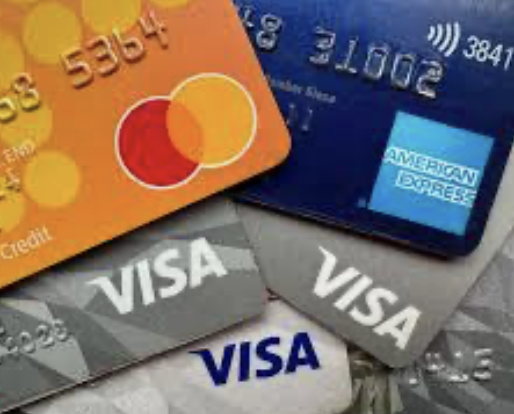
The Bank/CU Argument
Banks and credit unions have argued that even a temporary cap — such as a one-year limit of 10% on credit-card interest — would disrupt a core business that supports consumer spending, which accounts for roughly 70% of U.S. economic growth. Recent earnings reports indicate that elevated interest rates have not yet curbed card usage, according to the Journal.
Industrywide, average monthly revolving balances rose by $10 billion to about $660 billion in the third quarter. Average credit-card interest rates have remained above 24% for more than a year, according to data from the Federal Reserve Bank of Philadelphia cited by the Journal.
Steady Charge-Offs
Major issuers reported steady delinquency and charge-off rates in the fourth quarter, along with continued growth in spending and transaction volumes. Some lenders, including Synchrony Financial and Bank of America, also pointed to unusually high payment rates, signaling that many households are paying down balances more aggressively.
The White House has provided few specifics on how a potential cap would work, including whether it would apply to existing balances or only new charges. As the CU Daily has also reported, industry groups have warned that pricing limits could restrict access to credit, particularly for borrowers with lower credit scores.
Administration advisers have said the White House has discussed the idea of special 10% “Trump Cards” with large lenders, though bank executives have pointed instead to existing low-cost offerings. Citigroup CEO Jane Fraser cited the bank’s no-fee “Simplicity” cards, which offer new customers a 0% promotional balance transfer for up to 21 months — potentially producing greater savings than a temporary interest-rate cap, the Journal said.
‘Limited Relief’
Analysts told the Journal that a short-term cap would provide limited relief for most borrowers. A consumer carrying the average balance of $1,734 would save about $20 in interest in a month under a 10% cap applied to existing balances.
The Journal further noted that any cap could also accelerate a shift by issuers toward higher-income customers, who typically generate more fee revenue and pose less credit risk. American Express said it opened 8% more premium cards in the fourth quarter than a year earlier, while overall new account acquisition slipped as it reduced marketing of lower-yield cash-back cards. The company said it has no plans to offer 10% Trump Cards.