
ORLANDO, Fla. — Artist Eric Wahl challenged financial services leaders to embrace creativity, curiosity and human connection as essential tools for innovation, and to “defamiliarize the ordinary.”
“Let me start with a question: what is the connection between financial services and art? More importantly, what is the purpose of art?” Wahl said, opening his remarks to the Candescent Axis Conference by reframing creativity as a driver of thinking rather than output. “The purpose of art is not to produce a finished product. The purpose of art is to produce thinking—dynamic, game-changing thinking that unlocks intellectual curiosity.”

Wahl told attendees that intellectual curiosity is “the portal to higher levels of critical thinking and complex problem-solving,” and urged them to move beyond industry buzzwords. “I’m not here this morning to talk about innovation, automation, digital transformation, or any of the other buzzwords we hear so often,” he said.
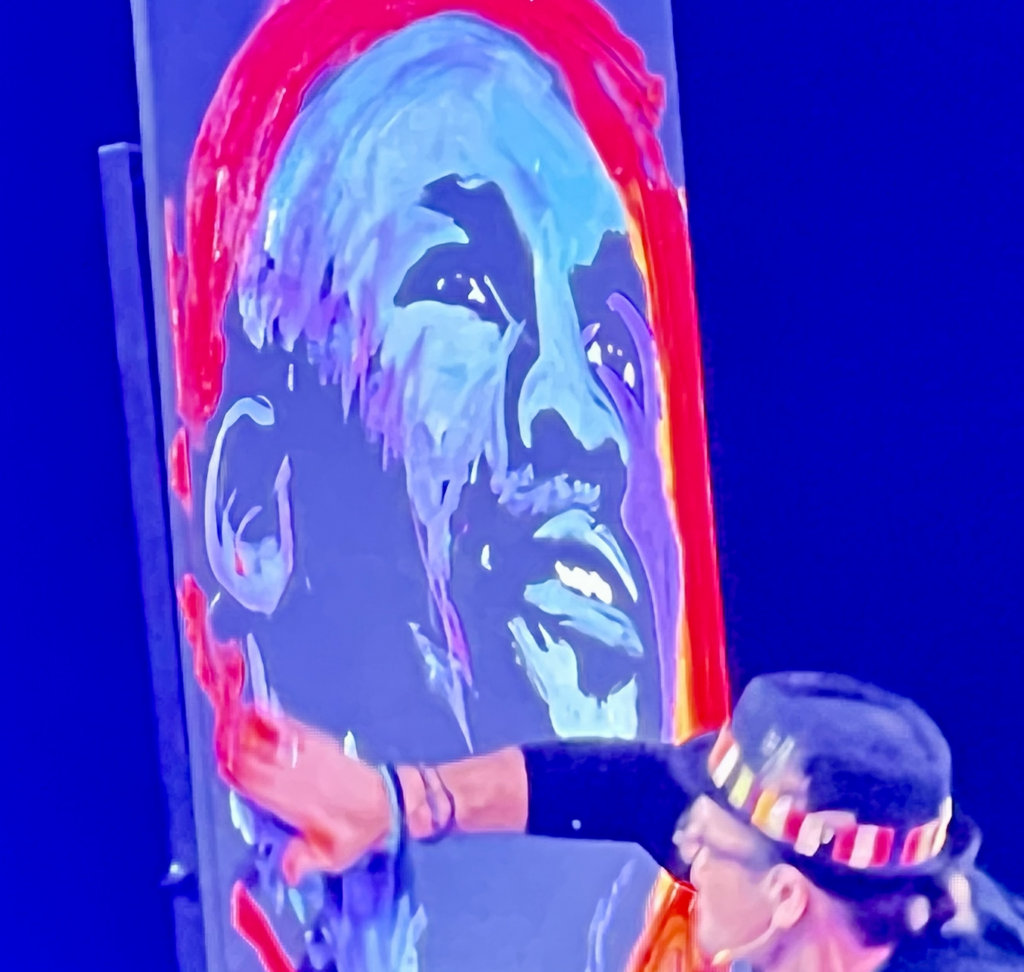
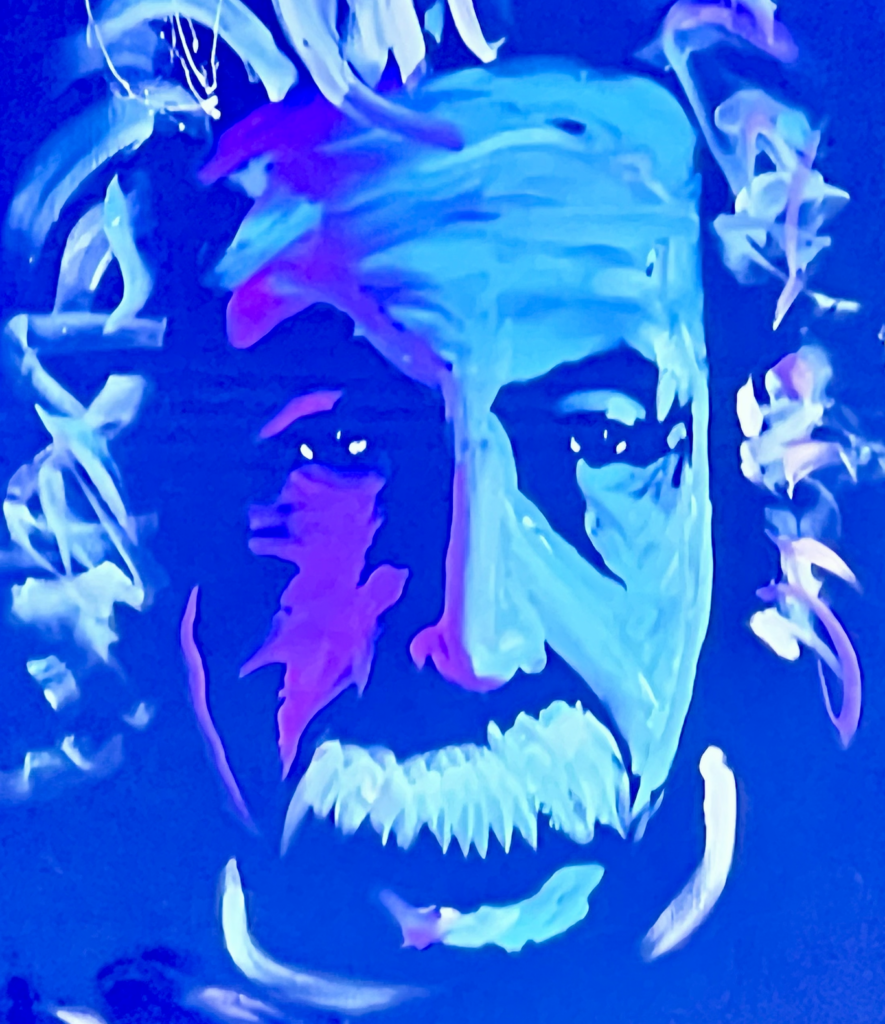
Wahl, who has made a number of appearances before credit union audiences, created three paintings during his remarks, all in just a few minutes each.
Today’s Strategy: Daydreaming
Using a simple exercise, Wahl asked the audience who believed they could draw, noting that confidence in creativity declines with age. “Every child is an artist. The challenge is how to remain one as we grow up,” he said, encouraging leaders to bring “that childlike fascination—the wonder that allows us to solve complex challenges—back into our business communication.”
He advocated for unconventional approaches to problem-solving, including daydreaming and doodling. “When I work with organizations on innovation, I often ask them to use something as simple as crayons,” Wahl said. “Because bold, new ideas often come from breaking patterns.”
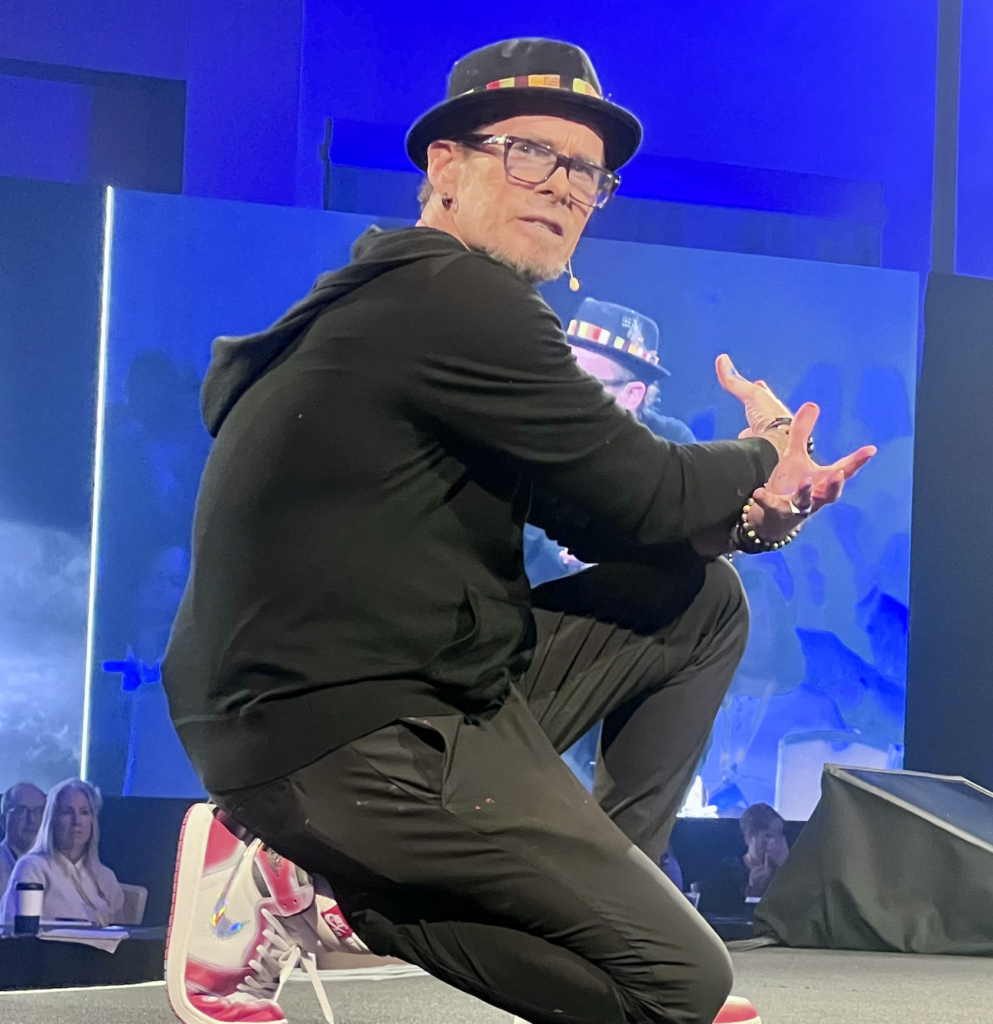
Wahl argued that creativity is not innate but learned. “Creativity is a learned skill, just like reading, writing, and arithmetic,” he said, adding that traditional education systems often allow creative thinking to “atrophy over time.”
He introduced the concept of “defamiliarizing the ordinary,” or viewing everyday situations from new perspectives to spark innovation. “Perspective matters,” Wahl said, recalling how one of his paintings gained value after being purchased by the singer Pink. “One person’s trash can become another person’s treasure.”
The FEAR Factor
Fear, he said, is often the biggest barrier to creativity. “Too often, fear holds us back. Fear of the unknown. Fear of failure. But fear is often just ‘False Evidence Appearing Real,’” Wahl said.
Quoting Albert Einstein, Wahl added, “Imagination is more important than knowledge,” noting that while knowledge is critical, imagination allows people to apply it in new ways.
Wahl emphasized that innovation requires discomfort. “Growth and comfort cannot coexist,” he said. “To grow, we must become comfortable being uncomfortable.”
He also urged attendees to distinguish between areas requiring consistency and those open to innovation. “If I need heart surgery, I want my surgeon using proven methods—not experimenting,” Wahl said. “So the question becomes: where do we innovate, and where do we rely on established practices?”
Automation & The Future
Looking ahead, Wahl said automation will continue to reshape industries, but human qualities will remain critical. “Anything that can be automated will be automated. But what cannot be automated is human emotion. Connection. Trust. Authenticity. That’s where your competitive advantage lies.”
Sharing his personal story, Wahl said he did not begin painting until after age 30, following a business collapse during the dot-com downturn. “I lost everything, and I tied my self-worth to my net worth,” he said. A friend encouraged him to explore painting, which changed how he approached challenges. “I stopped relying solely on formulas and best practices and started thinking creatively.”
He stressed that creativity is accessible to everyone. “Creativity is not a genetic trait reserved for a few. It is something we are all capable of developing,” Wahl said.
With artificial intelligence accelerating change, Wahl said uncertainty should be viewed as an opportunity. “The future—especially with AI—is uncertain. But uncertainty creates opportunity. No one knows exactly what’s coming, which means everyone is starting from the same place,” he said.
Key Advantages for Credit Unions
He pointed to hyper-personalization and relationship-building as key advantages for credit unions. “Service is about emotion. It’s about trust,” Wahl said. “Large institutions often struggle with this because they are too big to feel. You, on the other hand, have the ability to connect on a human level.”
Wahl closed by contrasting scarcity and abundance mindsets. “A scarcity mindset says, ‘Protect what I have.’ An abundance mindset says, ‘Share what I have and create more,’” he said.
“In a world that is constantly changing, the organizations that succeed will be those that embrace creativity, foster human connection, and remain open to new ways of thinking,” Wahl added. “That is what innovation will look like in the future.”