

WASHINGTON—America’s Credit Unions, the American Association of Credit Union Leagues and all state credit union leagues are urging the Federal Trade Commission to clarify and limit its interpretation of the long-standing Holder Rule, warning that recent policy shifts could increase liability for lenders, reduce access to credit and drive up costs for consumers.
In a joint letter, the CU trade groups said the FTC should reaffirm that liability under the rule is capped at the amount a consumer has paid under a credit contract, rather than allowing broader exposure such as attorneys’ fees. The associations argued that expanding liability beyond that cap would represent a departure from decades of legal and regulatory precedent.
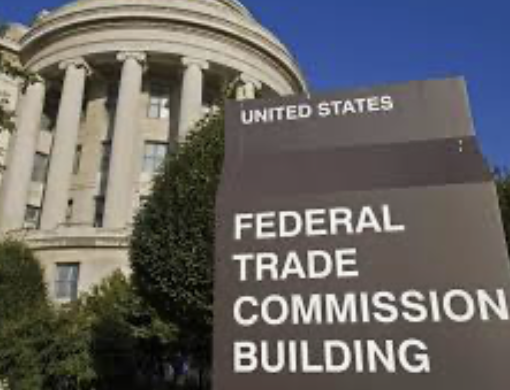
The groups said the Holder Rule—formally known as the Trade Regulation Rule Concerning Preservation of Consumers’ Claims and Defenses—was designed to allow consumers to assert claims against subsequent holders of a credit contract, but historically limited recovery to amounts paid under the contract.
According to the associations, recent FTC interpretations and related legal developments have created uncertainty by suggesting that liability could extend beyond that traditional cap. They contended that such an expansion would expose credit unions and other lenders to potentially unlimited damages, including attorneys’ fees, even when they were not directly involved in the underlying transaction.
‘Downstream Effects’
The letter warned that this uncertainty could have significant downstream effects on consumers, as lenders may respond by tightening underwriting standards, increasing prices, or reducing availability of financing—particularly for lower-income borrowers or those with less-established credit histories.
The associations told the FTC that credit unions, as member-owned not-for-profit institutions, could be disproportionately affected by increased litigation risk and compliance costs. They said those added costs would ultimately be borne by members in the form of higher loan prices or reduced services.
In addition, the groups argued that the FTC lacks clear statutory authority to expand the Holder Rule beyond its original framework, and that doing so would effectively rewrite the rule without formal rulemaking. They urged the commission to provide regulatory certainty by reaffirming that liability remains capped and consistent with longstanding interpretations.
‘Protections Already Provided’
The associations also emphasized that the existing structure of the Holder Rule already provides meaningful consumer protections by preserving claims and defenses against assignees, while balancing the need for a stable and predictable credit marketplace.
More broadly, the organizations framed their comments as part of ongoing engagement with federal regulators to reduce regulatory uncertainty and ensure that policies do not inadvertently restrict access to affordable credit. They said they stand ready to work with the FTC to maintain consumer protections while avoiding unintended consequences for borrowers and lenders.



