TROY, Mich. — Financial technology firms are gaining ground across banking, investing and credit cards as competition for consumers’ financial relationships intensifies, according to a new report from J.D. Power.
The firm’s Financial Services Churn Data and Analytics report found that digital-first FinTech brands are increasing their share of new account openings and customer conversions, particularly among younger and less affluent consumers, while traditional financial institutions continue to dominate overall assets.
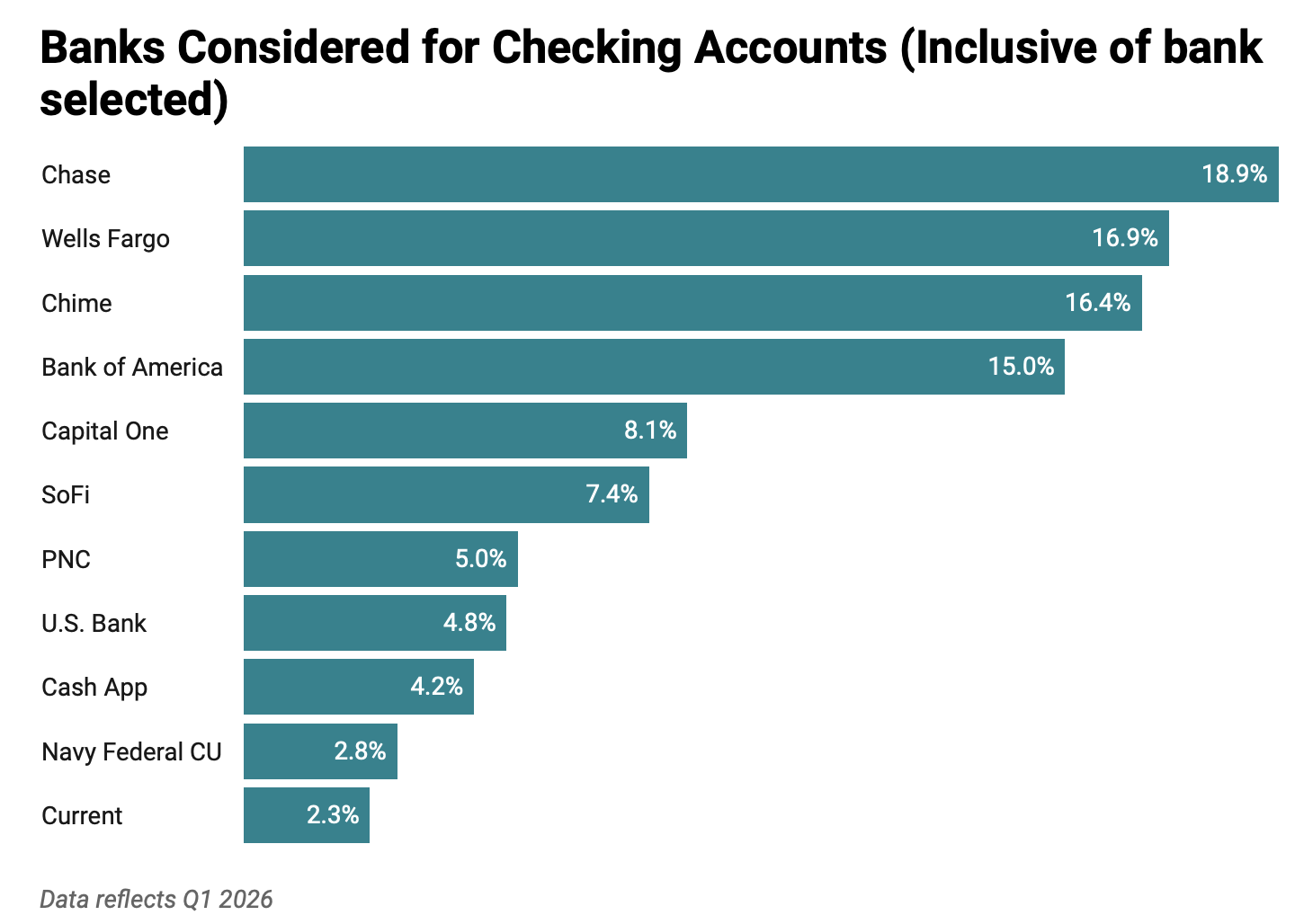
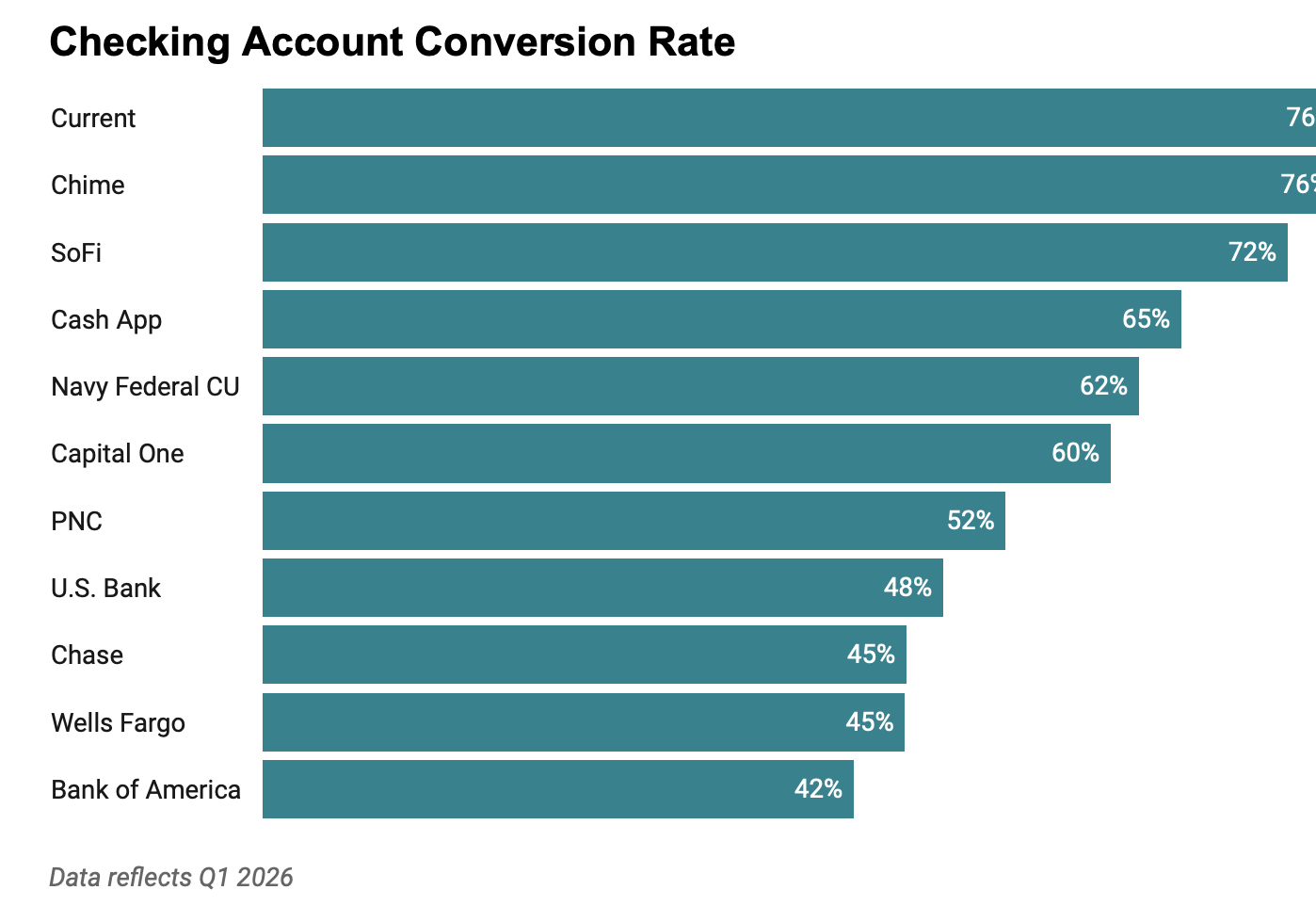
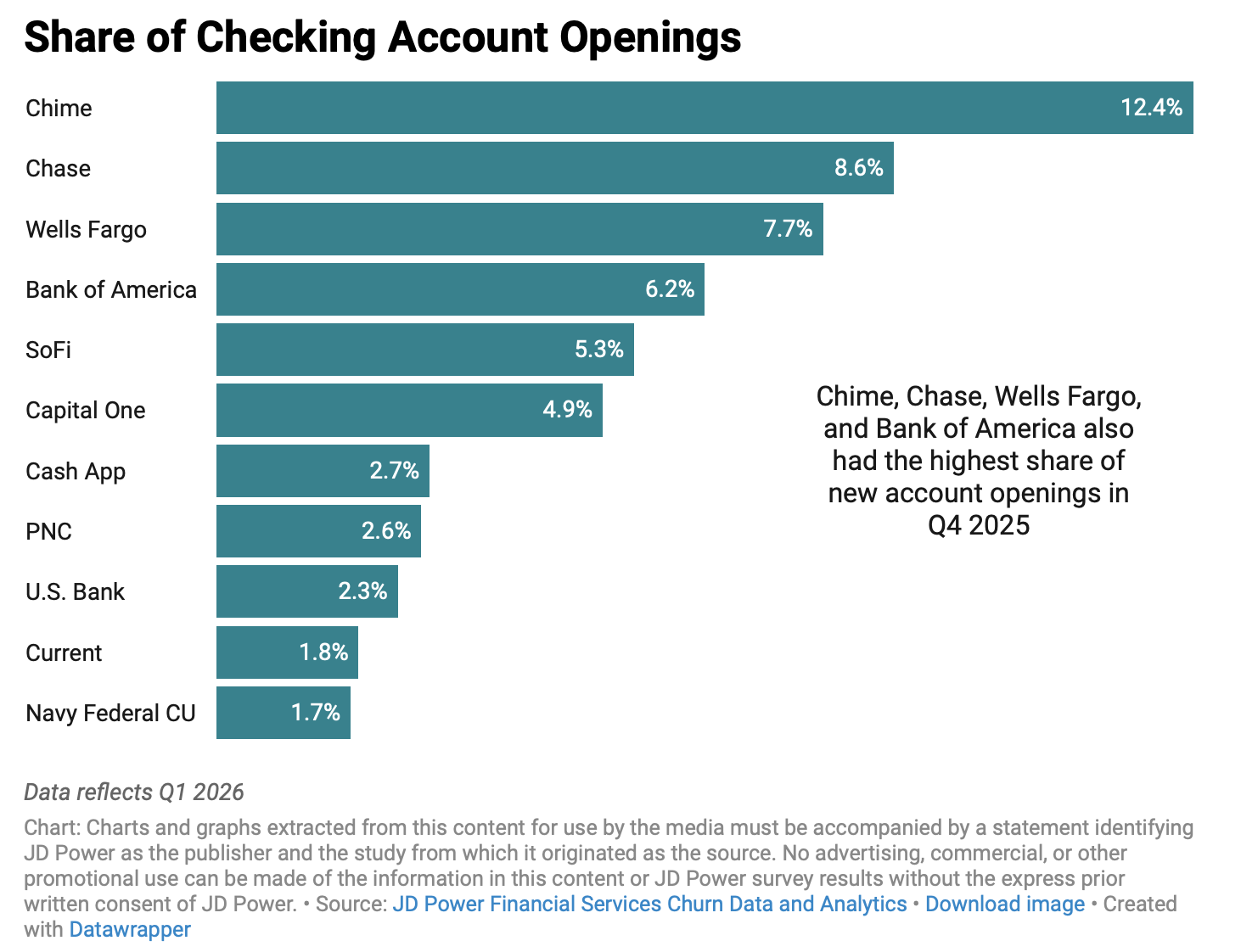
Chime, alongside JPMorgan Chase and Wells Fargo, led checking account openings through the first quarter of 2026, J.D. Power reported. However, FinTech firms posted stronger conversion rates, with Chime and Current each converting 76% of prospects into customers, and SoFi converting 72%.
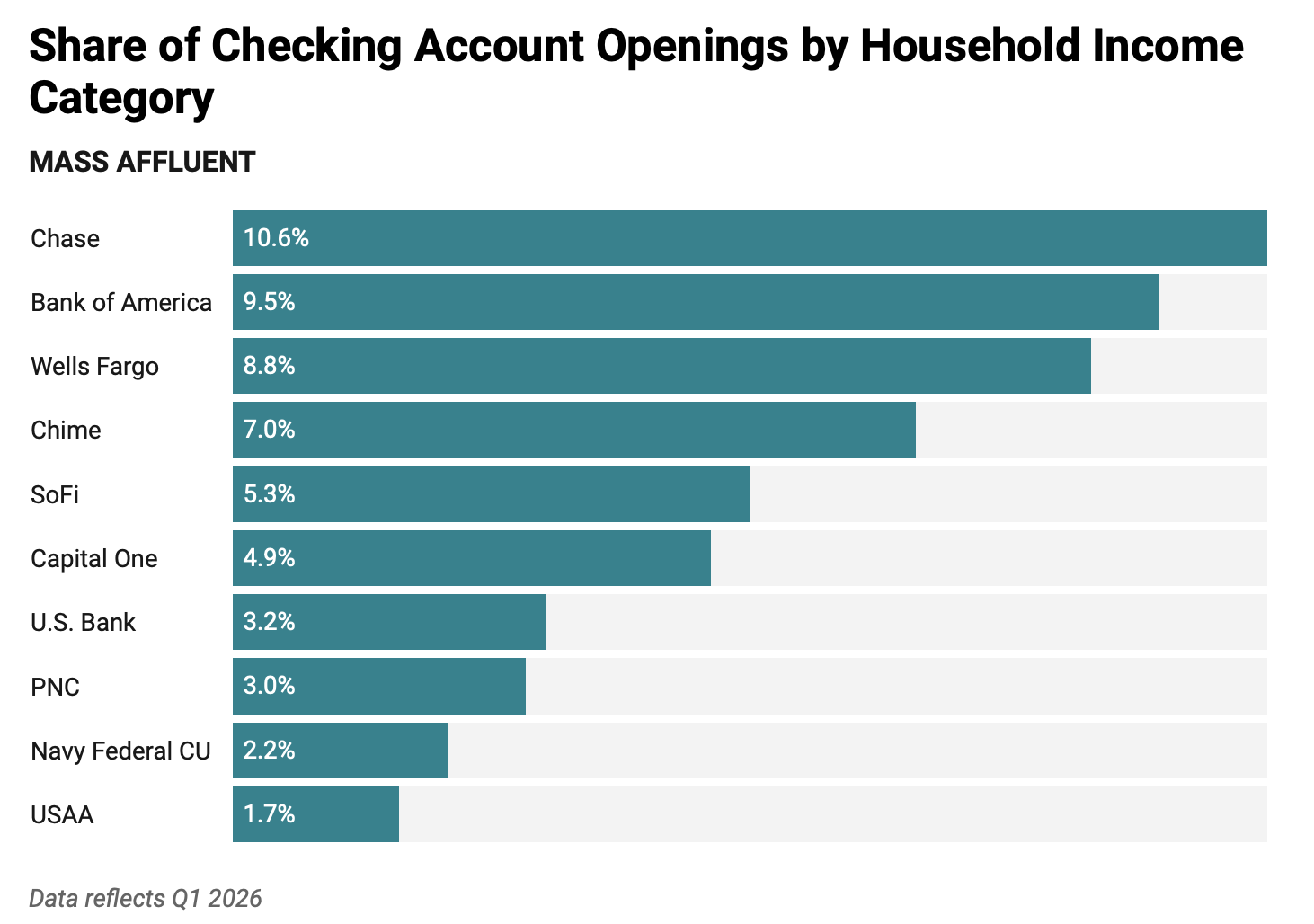
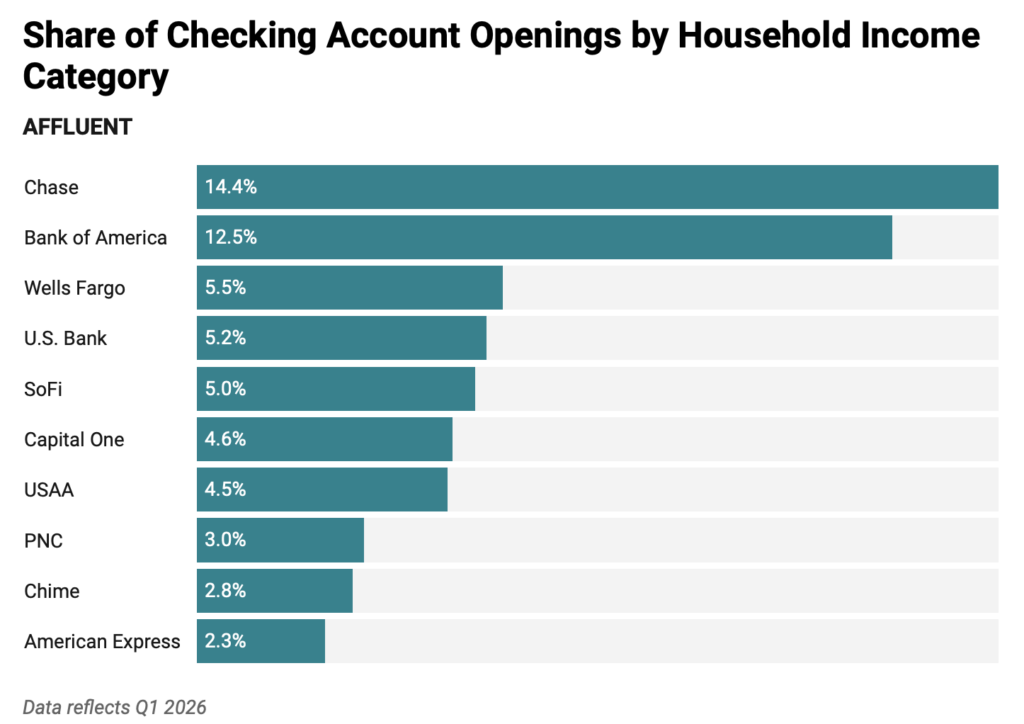
J.D. Power said Chime is capturing a growing share of mass-market customers, while Chase continues to lead among more affluent households.
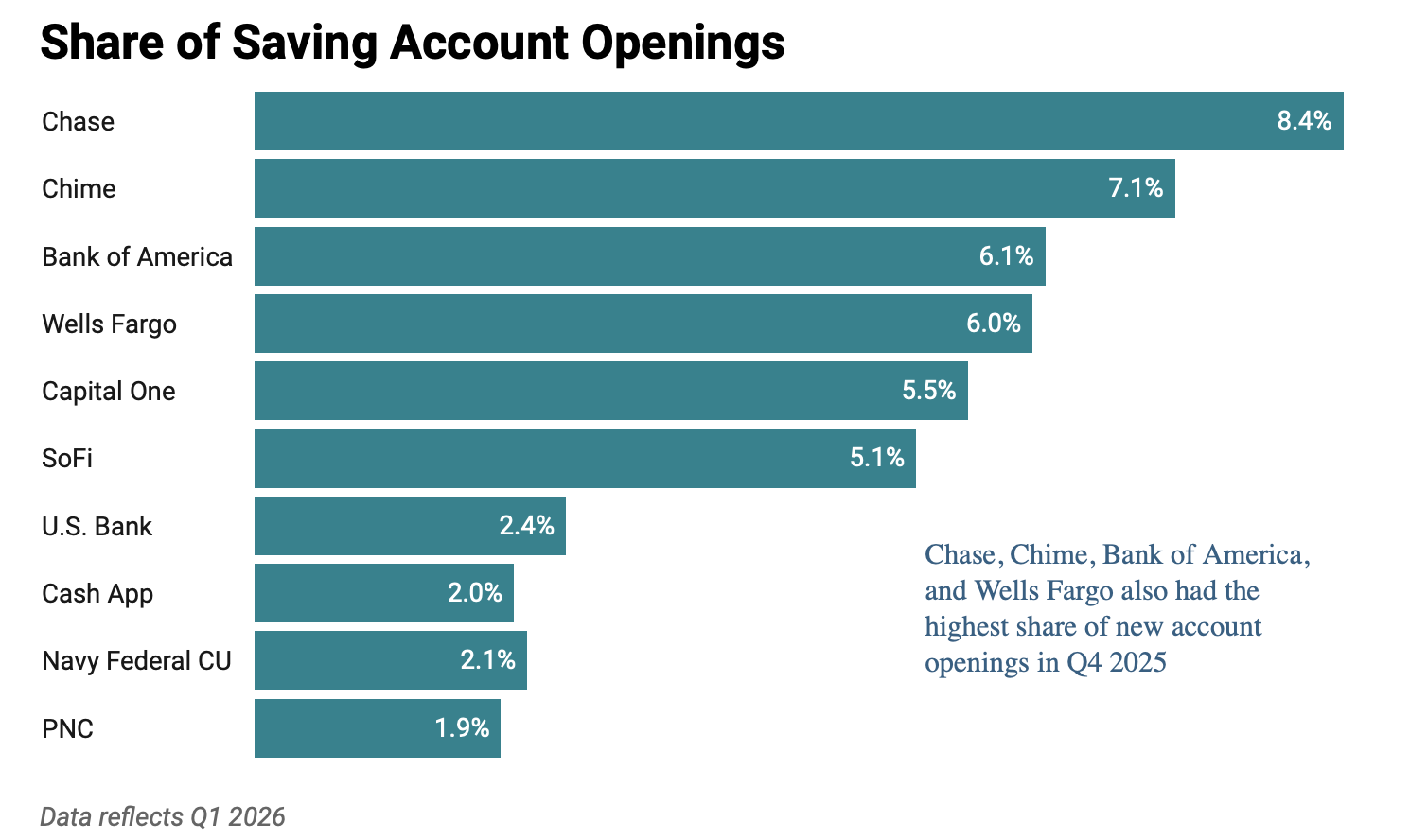
In savings accounts, J.D. Power found Chase held the largest share of new accounts at 8.4%, followed by Chime and Bank of America. Fintechs again led in conversion rates, with Chime converting 82% of leads and Cash App converting 76%, while Navy Federal Credit Union ranked among the top performers at 75%, according to the report.
Growing Adoption of Fintech
The report also highlighted growing adoption of Fintech platforms among self-directed investors. Robinhood was used by 13.5% of do-it-yourself investors, while SoFi accounted for 7.8%. J.D. Power noted that these platforms are more popular among households with lower levels of investable assets.
Traditional providers continue to dominate retirement accounts, where J.D. Power said Fidelity Investments, Bank of America/Merrill and Empower led new account openings in the first quarter.
In credit cards, established issuers maintained their lead, with Capital One, Chase and Credit One Bank accounting for the largest share of new accounts, J.D. Power reported. The firm noted that higher-credit-score consumers tend to favor traditional issuers, while FinTech offerings attract more subprime borrowers.
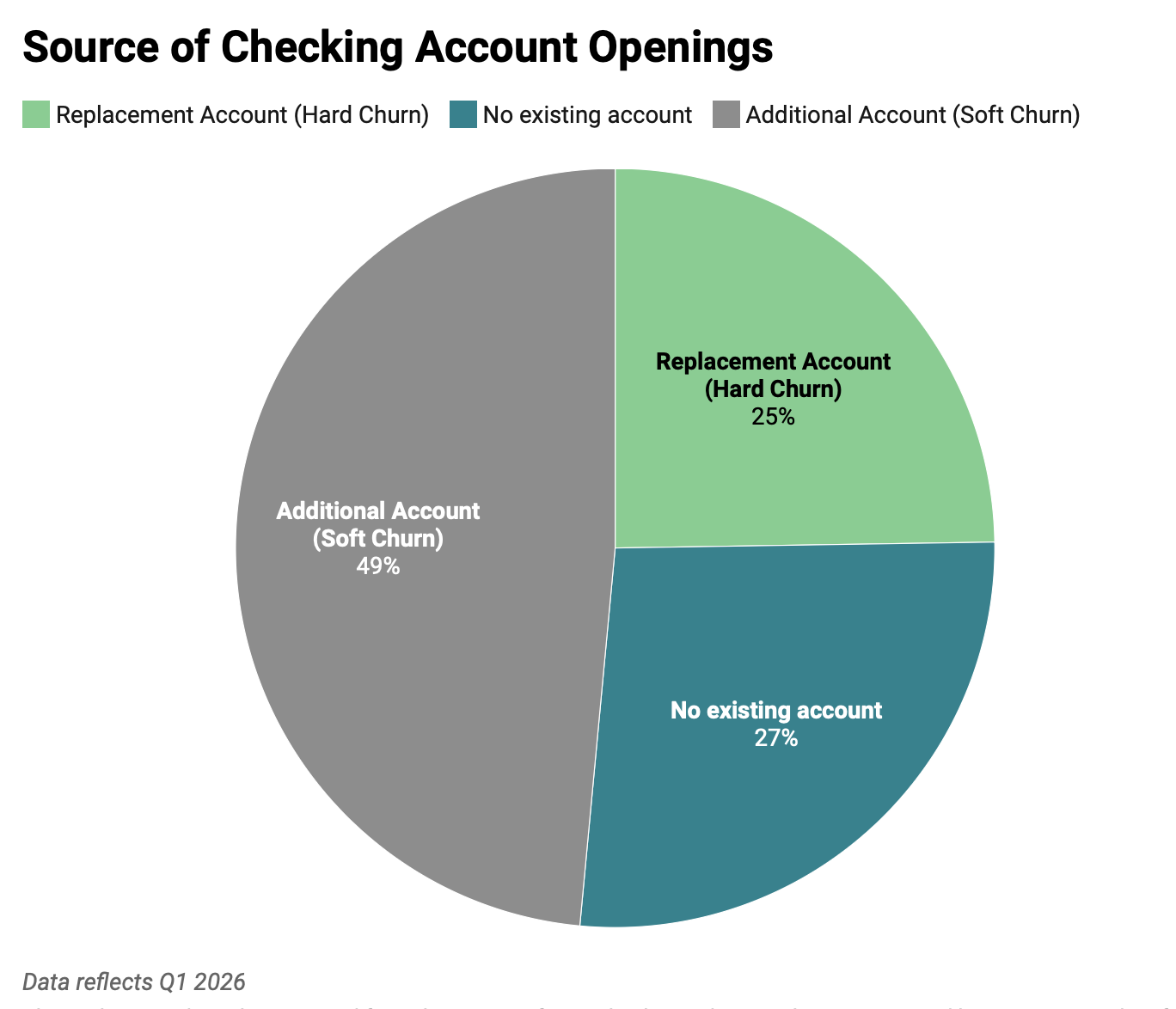
Increase in ‘Soft Switching’
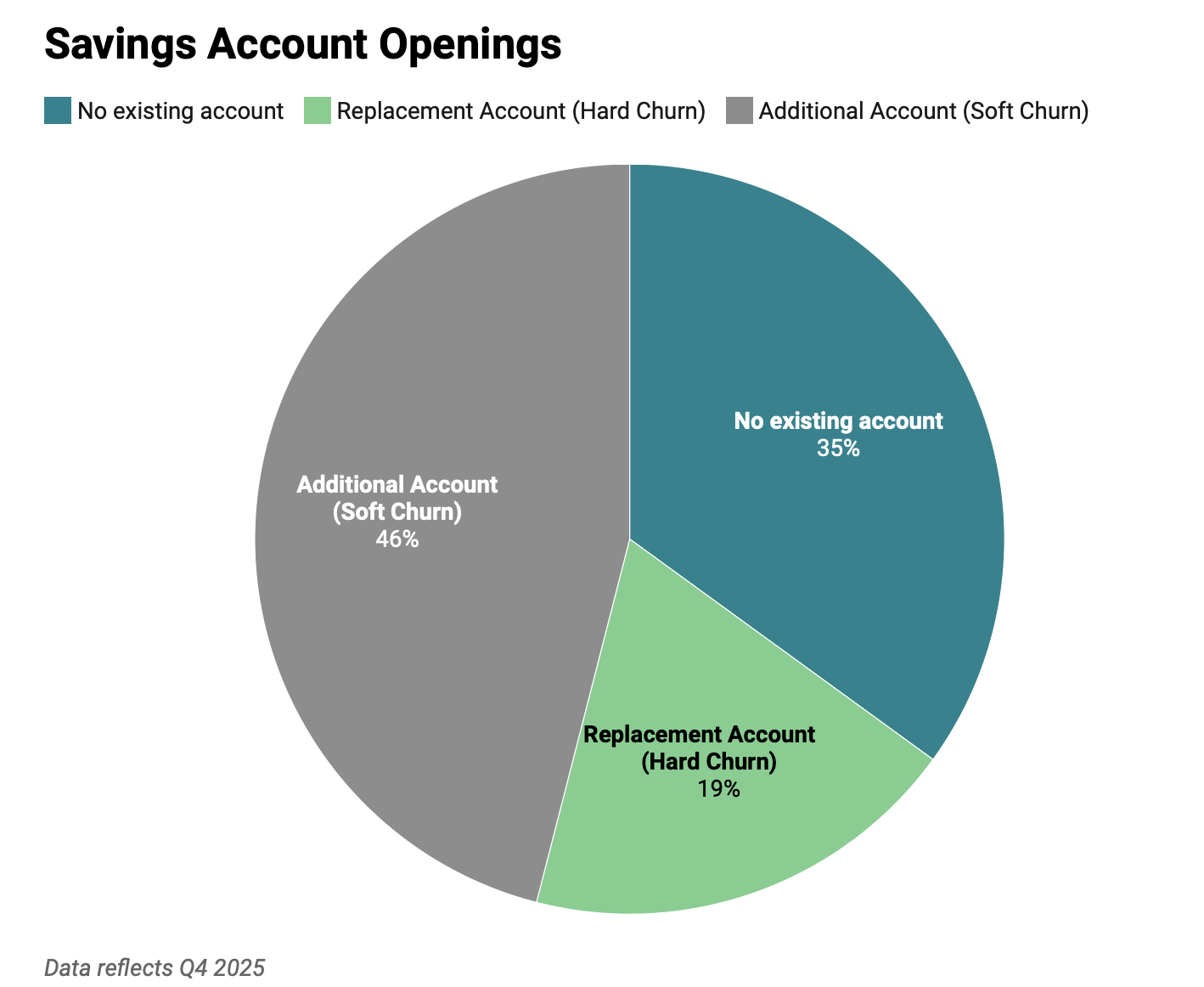
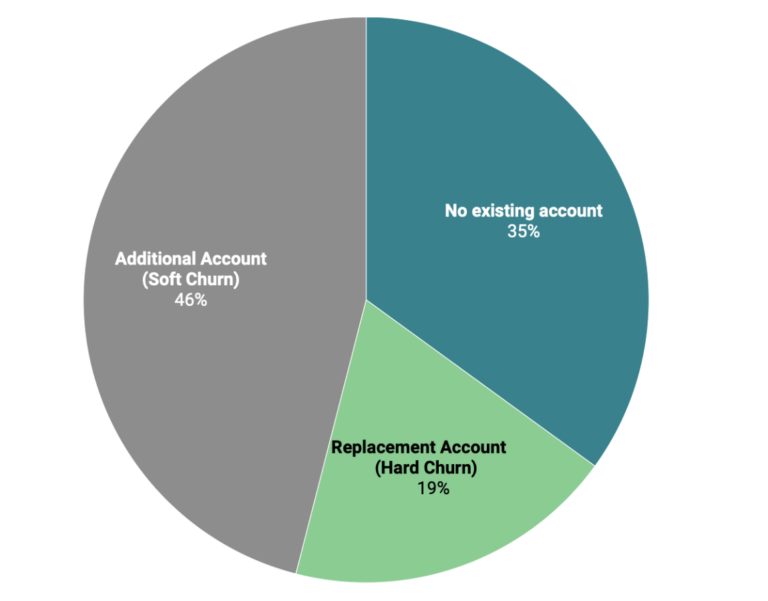
J.D. Power said the broader trend reflects increasing “soft switching,” in which consumers add new financial relationships rather than fully abandoning existing ones, contributing to rising attrition rates across the industry. The CU Daily had coverage earlier of the soft-switching trend here.
The firm also reported that 53% of consumers recently consulted artificial intelligence for financial advice, signaling a shift toward greater reliance on technology in managing finances.
The findings are based on more than 200,000 consumer responses collected between January and March 2026, according to J.D. Power.