DENVER—A closely watched and heavily lobbied proposal targeting credit card “swipe fees” cleared the Colorado Senate on a narrow vote, advancing to the House after weeks of delay and intense debate.
The fight over Senate Bill 26-134 has drawn deep-pocketed interests on both sides, with one observer describing it as “not exactly a David and Goliath story” but “more like Goliath versus Goliath,” reflecting the scale of the competing forces involved, ColoradoPolitics.com reported.
The measure, which is opposed by credit unions, financial institutions and issuers, would prohibit credit card companies from charging transaction fees on the sales tax portion of purchases, passed Friday by an 18-17 margin following a reconsideration vote. The bill had initially passed 18-16 earlier in the week but was held in the chamber through a procedural move.
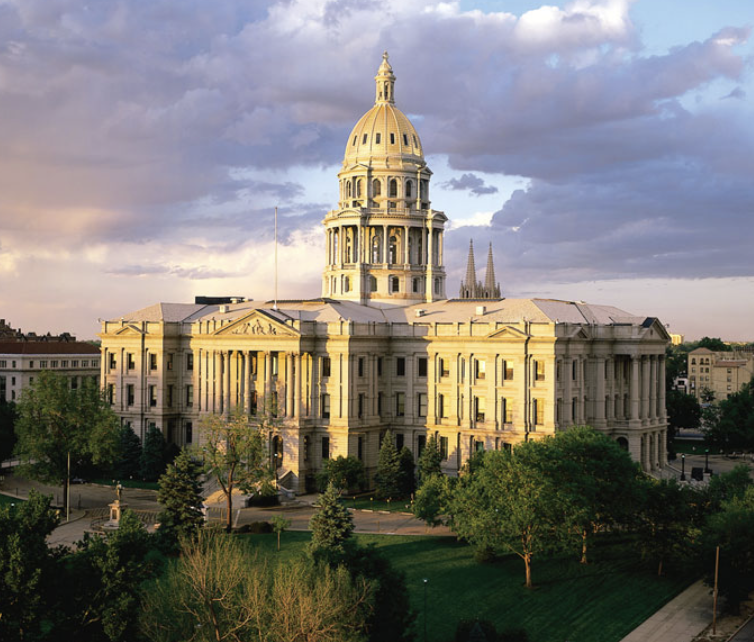
The legislation seeks to prohibit the interchange fees applied to the portion of a sale attributable to taxes.
Supporters include restaurants, breweries, small businesses and major retailers.
‘Intense Lobbying’
The debate has triggered an unusually intense lobbying effort. According to disclosures cited by ColoradoPolitics.com, 175 lobbyists and firms registered to work on the bill, with spending by both sides likely reaching hundreds of thousands of dollars, the report stated.
Sen. Julie Gonzales (D-Denver) said the measure had become a focal point for competing economic interests.
“What SB 134 represents is a proxy battle both in Colorado and nationwide between financial services institutions and big — or small — businesses,” Gonzales said during debate, according to ColoradoPolitics.com.
Gonzales said she received calls from restaurant owners seeking relief as well as nonprofits concerned about potential impacts on donations, and described pressure surrounding the vote. She ultimately supported the bill but questioned whether it would reduce costs for consumers.
“The simple fact is that it doesn’t,” she said, according to the report.
Opponents have warned the measure could face legal challenges, pointing to federal regulatory actions tied to similar laws in other states, the report said.
An amendment added during Senate debate would require businesses with more than 500 employees to use any savings from reduced fees to lower prices or increase employee wages or benefits, according to ColoradoPolitics.com.
The bill now heads to the House, where it is sponsored by Democratic leadership, including House Speaker Julie McCluskie and Majority Leader Monica Duran.