WASHINGTON — A Democratic member of the House Financial Services Committee is warning federal banking regulators that advances in artificial intelligence could dramatically accelerate the speed of bank runs and expose weaknesses in the financial system that regulators are not yet prepared to address.
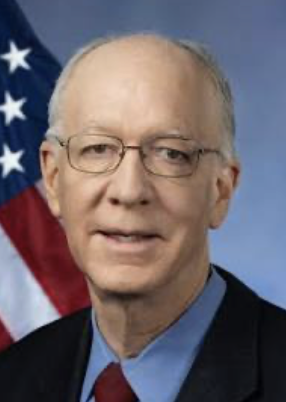
Rep. Bill Foster (D-IL) told federal banking regulators during a June 4 House Financial Services Committee hearing that the rise of so-called “agentic AI” could turn a banking crisis that once unfolded over hours into one that occurs in seconds, according to reporting by Banking Dive.
“I don’t think that we are prepared for an agentic AI bank run,” Foster told leaders of the Federal Reserve, Federal Deposit Insurance Corp., Office of the Comptroller of the Currency and National Credit Union Administration.
Foster, the ranking member of the House Financial Services subcommittee on financial institutions, pointed to the March 2023 collapse of Silicon Valley Bank as an example of how quickly panic can spread through digital channels. With increasingly autonomous AI systems capable of making financial decisions on behalf of consumers, Foster said a future run on a bank could unfold almost instantaneously.
‘Increasingly Concerned’
In an interview with Banking Dive, Foster said he is increasingly concerned that AI could destabilize the financial system if consumers eventually deploy personal AI agents programmed to automatically move funds whenever signs of trouble emerge at a financial institution.
“If you even hear a rumor that my bank is in trouble, just get my money the heck out of there,” Foster said, describing a potential standing instruction consumers could give AI-powered financial assistants.
To address that risk, Foster said regulators need access to real-time information on banks’ liquidity and capital positions rather than relying on quarterly call reports that may be months old. He said larger financial institutions already possess sophisticated internal systems that provide near real-time visibility into their operations, but smaller community banks often lack access to comparable technology.
Open-Source Platform Proposed
Foster proposed development of a federally designated open-source software platform that would provide functions ranging from accounting and regulatory compliance to discount window reporting and real-time monitoring of assets that could be pledged to the Federal Reserve during a liquidity crisis.
Under such a system, Foster said regulators would be able to immediately assess a bank’s financial condition and available collateral during a rapidly developing crisis, even if problems emerge outside normal business hours.
Worries Over Cybersecurity Risks
He also expressed concerns about cybersecurity risks associated with advanced AI models, including whether smaller financial institutions would receive the same level of protection as larger banks when responding to emerging threats.
Foster said an open-source software framework could help level the playing field by ensuring that community banks, credit unions and other smaller institutions have access to standardized technology and regulatory reporting tools.
The Illinois lawmaker also pointed to the Financial Data Transparency Act, bipartisan legislation designed to encourage regulators to adopt more standardized reporting formats across the financial sector. While regulators have made progress toward using common reporting languages, Foster said significant differences remain in how institutions define and categorize financial data.
Standardized definitions for items such as troubled loans would allow regulators to compare information consistently across credit unions, state-chartered banks and federally regulated institutions, he said.
Discussions Being Held
Foster told Banking Dive he has begun discussing the concept with industry groups and said the response has been largely positive, particularly among smaller institutions that could benefit from lower compliance and technology costs.
He said even some large financial institutions appear receptive to greater use of open-source technology, noting that JPMorgan Chase CEO Jamie Dimon has spoken favorably about open-source initiatives.
Foster said he expects Congress to continue oversight of regulators’ implementation of the Financial Data Transparency Act and suggested that industry groups and open-source organizations could potentially develop a prototype version of the proposed software platform within the next year.
Beyond Banks
The lawmaker added that the need for real-time regulatory visibility extends beyond traditional banks. Stablecoin issuers, insurance companies and other financial technology firms that are not depository institutions could also face rapid, digitally driven runs, creating similar risks for regulators and the broader financial system, according to Banking Dive.