DALLAS — While credit unions take pride in the quality of their employees, a new finding may bear watching, as four-in-10 U.S. employees have used artificial intelligence to create a fake expense receipt, according to a survey.
The survey, conducted by Atomik Research in the United States and the United Kingdom and released by Emburse, found that 19% of respondents who used AI fabricated purchases that never occurred, 15% inflated the value of legitimate expenses and 6% recreated lost receipts using AI. Emburse said 40% of those employees used company-funded AI tools to generate the fraudulent receipts.
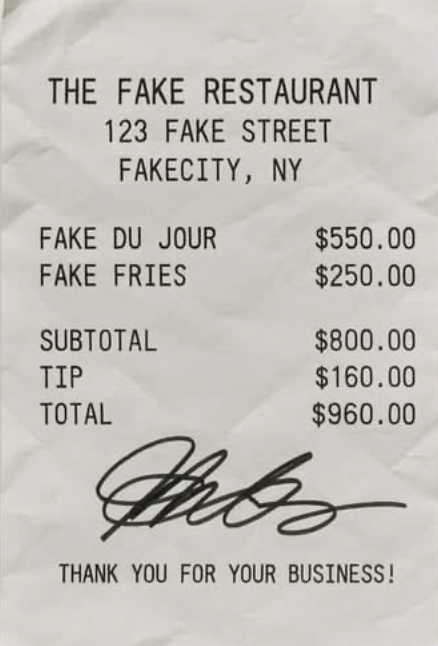
The findings come as finance technology companies report a sharp increase in AI-generated expense fraud.
Big Leap in Flagged Transactions
According to data from AppZen cited by Accounting Today, AI-generated receipts accounted for none of the fraudulent documents flagged on the company’s enterprise platform in March 2025. By mid-May 2026, they represented 70.8% of flagged fraudulent receipts. AppZen said it identified 1,471 AI-generated fake receipts submitted by 745 employees across 174 companies, representing $148,143 in fraudulent reimbursement claims.
The publication also reported that AI-generated fake receipts average about $100, compared with $182 for older template-based counterfeit receipts. The lower dollar amounts may be designed to avoid triggering companies’ automatic review thresholds or manual scrutiny.
The rise of generative AI is undermining traditional expense verification processes that rely on receipts as proof of purchase, according to industry observers.
Check Your Vision
“These receipts have become so good, we tell our customers, ‘Do not trust your eyes,'” Chris Juneau, senior vice president and head of product marketing at SAP Concur, told PYMNTS in October 2025. The company said it processes more than 80 million compliance checks each month using AI. FinTech company Ramp has also reported identifying more than $1 million in fraudulent invoices within 90 days of deploying its AI-powered accounts payable platform.