

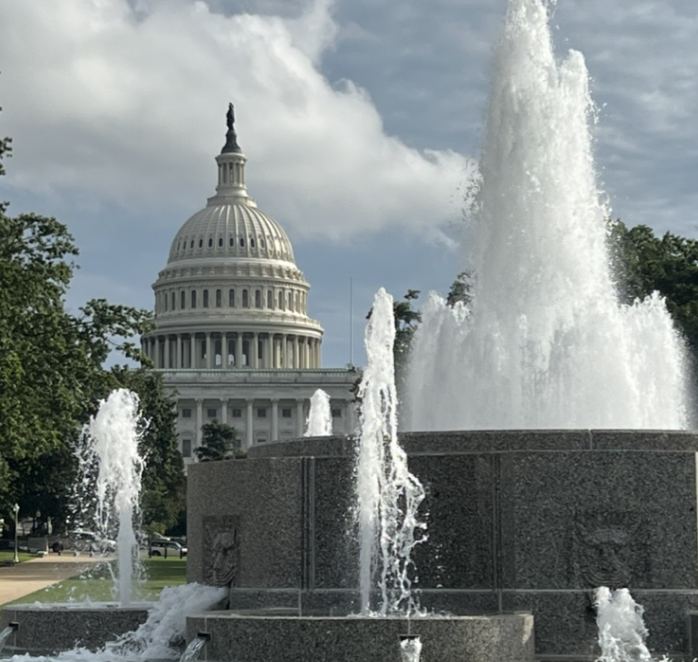
WASHINGTON—Congress enters a pivotal two-week stretch before the Senate’s August recess with lawmakers weighing legislation affecting digital assets, national defense, federal spending and financial regulation, according to two credit union trade groups.
With the House in its August district work period and the Senate remaining in session, both the Defense Credit Union Council (DCUC) and America’s Credit Unions said they are focusing their advocacy on ensuring credit unions are included in major legislative packages expected to receive Senate attention.
Among the measures being closely watched are the CLARITY Act governing digital assets, the Fiscal Year 2027 National Defense Authorization Act (NDAA), a continuing resolution to fund the government, budget reconciliation legislation, and the Senate confirmation of John Crews to the National Credit Union Administration Board.
Here’s what the two trade groups had to say about the week ahead:
Senate Agenda Takes Shape
America’s Credit Unions said Senate leaders are expected to spend the next two weeks focused on nominations, government funding legislation and the possibility of a third budget reconciliation package, while continuing work on the Senate version of the NDAA.

The association noted the House has already approved both its version of the NDAA and a federal budget resolution before departing Washington.
While Senate Majority Leader John Thune, R-S.D., has indicated the CLARITY Act could reach the Senate floor before lawmakers leave for recess, uncertainty remains over whether sufficient bipartisan support exists for passage.
Digital Assets Remain Top Priority
Both national credit union organizations identified digital asset legislation as one of their highest priorities.
DCUC said the CLARITY Act represents one of the most significant financial services bills Congress could consider this year, but warned that credit unions must not be overlooked as lawmakers establish a regulatory framework for digital assets.
Recommendations Made
DCUC said final legislation should:

- Explicitly preserve NCUA authority over federally insured credit unions engaged in digital asset activities.
- Recognize the role of credit union service organizations (CUSOs), subsidiaries and qualified third-party vendors.
- Establish workable standards governing custody, payments, settlement, digital-asset-backed lending and member-directed transactions.
- Include clear Bank Secrecy Act, anti-money laundering, consumer protection, accounting and cybersecurity standards.
- Provide regulatory parity with banks.
The organization said digital asset legislation is particularly important for military families, who frequently relocate and depend heavily on digital financial services.
America’s Credit Unions Expresses Support
America’s Credit Unions also voiced broad support for the legislation while urging lawmakers to modify provisions related to yield generation.
“To be clear, we are supportive of the vast majority of the CLARITY Act, particularly provisions which are essential for maintaining the competitive relevance of credit unions, and believe it should become law,” the organization wrote in a letter to senators.
The association added that it supports refining the bill’s prohibition on yield “in a way that ensures credit unions can continue supplying credit to local communities while having the ability to meaningfully engage with growing digital asset markets.”
America’s Credit Unions further stated that the goal should be integrating traditional finance with digital assets “with minimal disruption to the millions of Americans who depend on reliable access to credit through their local credit union,” adding that Congress should avoid “pick[ing] winners or losers between crypto and traditional finance.”
NDAA Remains a Legislative Vehicle
Both organizations are also lobbying lawmakers as the Senate works through amendments to its version of the Fiscal Year 2027 National Defense Authorization Act.
DCUC emphasized that financial readiness is a national security issue, arguing that servicemembers distracted by financial challenges cannot remain fully mission-focused.
Among DCUC’s priorities are:
- Strengthening the NCUA Central Liquidity Facility.
- Modernizing credit union board meeting requirements.
- Providing greater loan maturity flexibility.
- Advancing the Veterans Member Business Loan Act.
- Improving coordination involving financial institutions on military installations.
- Preserving the cooperative structure of the National Credit Union Share Insurance Fund.
- Creating a military financial services advisory mechanism.
The organization also said it opposes unrelated financial services amendments that could reduce interchange revenue or weaken fraud prevention and cybersecurity investments.
America’s Credit Unions said it has urged senators to attach several bipartisan credit union-backed measures to the defense bill, including:
- CLF Enhancement Act.
- AFFORD Act.
- Main Street Depositor Access Act.
- STREAMLINE Act.
Crews Nomination Expected
Both organizations also are urging swift Senate confirmation of John Crews to the NCUA Board.
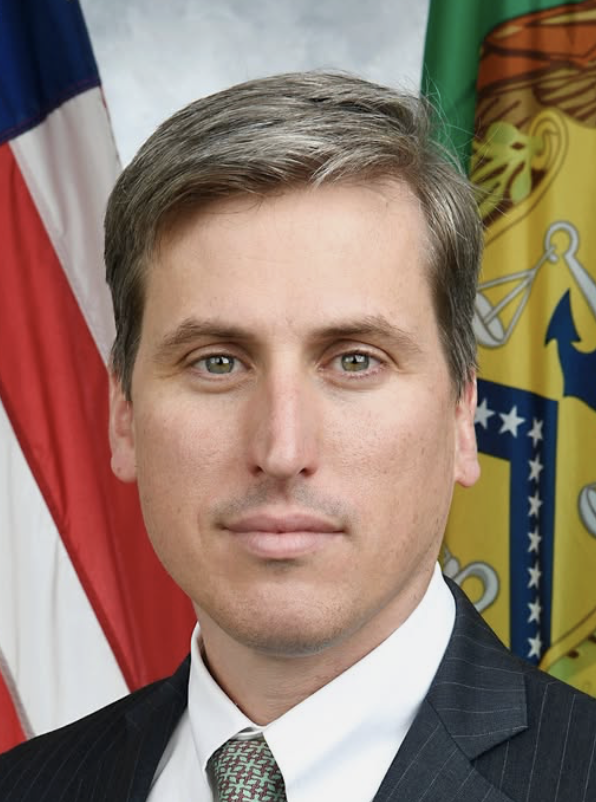
DCUC said Crews possesses extensive financial policy experience and understands issues including safety and soundness, technological innovation, smaller institutions and de novo credit unions. The organization urged Senate leaders to schedule a vote before the August recess.
America’s Credit Unions similarly welcomed Senate Banking Committee approval of the nomination.
“Credit unions thank Chairman Scott and the members of the Senate Banking Committee for advancing John Crews’ nomination to the NCUA Board,” Chief Advocacy Officer Kathleen Coulombe said in a statement. “We appreciate that the Committee recognizes a robust credit union industry requires a fully staffed NCUA Board and John Crews possesses the necessary experience and knowledge to efficiently lead the NCUA. We urge the Senate to quickly vote to confirm his nomination.”
NCUA Regulatory Issues
Beyond legislation, DCUC said it continues monitoring several regulatory initiatives at NCUA.
Among them is the agency’s interim final rule affirming federal credit unions’ authority over non-interest charges and fees, including interchange revenue. DCUC said it supports finalizing the rule unchanged, arguing that conflicting state laws would create compliance burdens and operational challenges, particularly for military families who frequently relocate.
The organization also is tracking implementation of the GENIUS Act’s payment stablecoin framework and broader NCUA efforts to reduce regulatory burdens while maintaining safety and soundness.
Budget Reconciliation, Funding Watched
DCUC also said it is closely following development of what lawmakers have labeled “Reconciliation 3.0.”
The organization noted the House has approved only a budget framework and emphasized that the current resolution contains no provisions affecting the federal tax status of credit unions or directing the House Financial Services Committee to produce legislation.
Nevertheless, DCUC said it will oppose any effort to:
- Tax credit unions like banks.
- Alter the federal tax exemption for member-owned cooperatives.
- Divert resources from military financial readiness.
The organization also said defense credit unions historically have stepped in with emergency loans, paycheck advances, fee relief and financial counseling during government funding disruptions but argued they should not be expected to substitute indefinitely for congressional action to keep the government operating.
District Advocacy Intensifies
With House lawmakers home for the August recess, both organizations are increasing district-level advocacy.

DCUC said it plans to encourage lawmakers to visit credit union branches, meet fraud prevention staff and military financial counselors, and speak directly with servicemembers, veterans and military families about how federal policy affects their financial lives.
AI, Fraud Hearings Draw Interest
Artificial intelligence and fraud prevention will also receive congressional attention this week.
DCUC said it will monitor Wednesday’s Senate Special Committee on Aging hearing examining deepfakes, artificial intelligence, chatbots and fraud targeting seniors, while continuing to advocate for stronger fraud information sharing, enhanced identity protections, improved recovery procedures and greater authority for credit unions to delay suspicious transactions.
America’s Credit Unions also highlighted the hearing as a priority and noted the Senate Commerce Committee is scheduled to hold a separate hearing Thursday examining artificial intelligence’s impact on communications networks.
In addition, America’s Credit Unions said it continues promoting its nationwide “Check Yourself” consumer awareness campaign designed to educate consumers about check fraud and encourage stronger fraud prevention practices.



