

WASHINGTON — The Defense Credit Union Council is urging Defense Secretary Pete Hegseth to make financial readiness a permanent component of the newly established President’s Military Spouse Commission, arguing that household financial stability is directly tied to military readiness.
In a letter to Hegseth, DCUC President and CEO Anthony Hernandez, a retired U.S. Air Force colonel, praised President Donald Trump and the Department of War for creating the commission, which is charged with addressing issues affecting military spouses, including employment, child care, housing, health care, education and quality of life.
According to DCUC, financial readiness should serve as the foundation underlying each of those priorities.
‘Unlike Any Other Community’
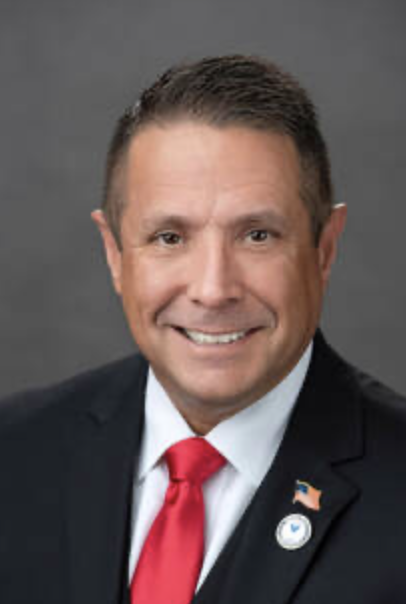
“Military families face financial challenges unlike those experienced by any other community,” Hernandez said in a statement. “Frequent permanent change of station moves, employment disruptions, deployments, childcare costs, housing affordability, fraud, and periods of financial uncertainty all directly impact military spouse well-being. Those challenges do not remain at home; they affect servicemember focus, retention, mission readiness, and ultimately our nation’s security. Financial readiness is military readiness.”
DCUC, which represents more than 200 defense credit unions serving more than 40 million members worldwide, requested that the Defense Department create a Financial Readiness Subcommittee within the commission and allow the organization to participate in the commission’s work during its two-year charter.
The organization said its member credit unions have spent more than six decades supporting military members and their families through financial education, military spouse entrepreneurship initiatives, housing affordability advocacy, fraud prevention, emergency financial assistance during government funding disruptions, expanded access to financial services on military installations and military-focused lending programs.
The Financial Implications
Hernandez said nearly every issue before the commission carries financial implications for military families.
Military spouse employment interruptions can reduce household income, while child care shortages may limit career advancement and educational opportunities, he said. Permanent change of station moves often result in thousands of dollars in out-of-pocket expenses, and deployments and overseas assignments create additional financial pressures.
“These cumulative pressures can undermine household stability, negatively affecting servicemember morale, retention, and operational effectiveness,” Hernandez said. “Defense credit unions witness these challenges every day. Our member institutions serve military families where they live and work, on installations across the United States and around the world. They provide trusted financial guidance, emergency assistance, fraud prevention resources, affordable lending, and personalized support during every stage of military service.”
DCUC said that experience positions defense credit unions to help develop practical financial readiness policies for military spouses.
The Recommendations
Among the organization’s recommendations to the Department of War and commission leadership are:
- Establish a Financial Readiness Subcommittee to evaluate the financial effects of military spouse employment, housing, child care, health care, permanent change of station moves, deployments, fraud and overseas assignments.
- Include DCUC and defense credit unions as subject-matter experts in commission meetings, working groups, listening sessions and policy development.
- Integrate defense credit unions into installation-level financial readiness, transition assistance, deployment planning, spouse outreach and emergency preparedness efforts.
- Develop measurable financial readiness metrics alongside traditional measures of morale, resilience and retention.
- Create a permanent coordination framework connecting the commission, Defense Department leadership, federal financial regulators and military-serving financial institutions.
- Pilot financial readiness initiatives, including military spouse entrepreneurship programs, permanent change of station financial planning resources, fraud prevention education, emergency savings programs and digital financial wellness tools.
Meeting Requested with Defense Secretary
DCUC noted that the executive order establishing the commission authorizes participation by outside organizations and allows for the creation of subcommittees, which it said provides an opportunity to incorporate financial readiness into the commission’s work.
The organization also requested a meeting with Hegseth or other senior Defense Department officials to discuss how defense credit unions can support the commission’s mission.
“Military spouses deserve more than recognition; they deserve policies that reduce the financial burdens associated with military service and strengthen the stability of military households,” Hernandez said. “By making financial readiness an integral part of the Commission’s work from the outset, the Department can ensure its recommendations produce lasting, measurable improvements for military families while strengthening the readiness of our Armed Forces.”
DCUC said it remains committed to working with the Department of War, policymakers and military leaders to strengthen the financial security of servicemembers, veterans, military spouses and their families, arguing that stronger military households contribute to a more resilient military force.



