WASHINGTON–The House Committee on Financial Services will be holding a hearing today titled, “Dodd-Frank Turns 15: Lessons Learned and the Road Ahead,” and as far as credit unions are concerned, there have been plenty of lessons and few of them have been good.
The sweeping legislation of more than 2,300 pages was passed in the wake of the financial crisis of 2008-09 and, among other things, created the CFPB.
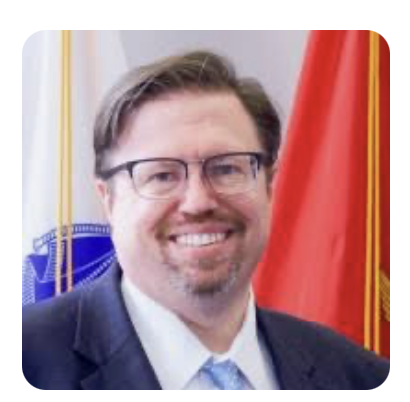
Jason Stverak, chief advocacy officer with the Defense Credit Union Council, noted that a decade and a half after the passage of Dodd Frank there are numerous pieces of legislation before Congress that seek to roll back many of the regulations the bill created. In addition, the Trump administration has also either curtailed or chosen not to enforce provisions of Dodd-Frank, or defunded agencies such as the CFPB.
“We’re very supportive of Congress’ attempt to look at the current set of laws and regulations impacting credit unions and to a sk themselves questions. Is this needed anymore? Is there a better way to do this or should we should we trust credit unions to serve their members?” Stverak said. “We’re encouraging the House to continually move forward on this effort and encourage the Senate to do so, as well, and to look for ways to rollback onerous and unneeded regulation throughout.”
What ‘Track Record’ Makes Clear
America’s Credit Unions has a similar view.
“Obviously, the financial crisis was terrible and it highlighted flaws in regular regulation, but what Dodd-Frank did was so much more than just trying to address what happened in the financial crisis,” said Greg Mesack, SVP-advocacy with America’s Credit Unions. “The track record shows the impact on credit unions has been quite bad. Small things turned into big things and the new regulatory requirements have been crushing for credit unions. Things like the Durbin Amendment have been devastating for credit unions.
Mesack said the higher costs credit unions have faced since the passage of Dodd-Frank has led to fewer resources to provide affordable financial services and products to members.”
He added America’s Credit Unions was already meeting with Congress ahead of the hearing to talk about the effects of Dodd-Frank.
“Hopefully, this leads to some real reforms of the Dodd Frank Act,” Mesack stated.
Trade Group Sends Letters
Ahead of today’s hearing, America’s Credit Unions and DCUC have sent letters to the committee..
In its letter, in which it stresses credit unions were not the reason for the 2008 crisis, America’s Credit Unions calls for reforms and targeted outlines how Dodd-Frank has affected credit unions over the past 15 years.
ACU further said its letter offers a “forward-looking roadmap to ensure community-based financial institutions like credit unions can continue serving members without being subject to rules designed for Wall Street.”
The full letter can be found here.
The Defense CU Council said in its letter that credit unions recognize the need for financial safeguards and consumer protections, the regulatory but the burdens imposed by Dodd-Frank have “disproportionately impacted small, mission-driven institutions.”
The full letter can be found here.
The Witnesses
Testifying before the hearing today will be:
- Ken Bentsen, president and CEO, Securities Industry and Financial Markets Association
- Lindsey Johnson, president and CEO, Consumer Bankers Association
- Tom Quaadman, chief of government affairs and public policy, Investment Company Institute
- Dr. Paul Kupiec, senior fellow, American Enterprise Institute
- Dennis Kelleher, co-founder, president, and CEO, Better Markets