
WASHINGTON — A federal judge has ruled that the Consumer Financial Protection Bureau must continue to receive funding from the Federal Reserve, rejecting efforts by the Trump administration to block the agency’s financing and reaffirming the structure Congress created to insulate the watchdog from political pressure.
Acting CFPB Director Russell Vought, who is also the Director of the Office of Management and Budget, had been vowing the Bureau would be all but eliminated as 2026 arrived. Vought and the administration had declined to request any funding for the new year.
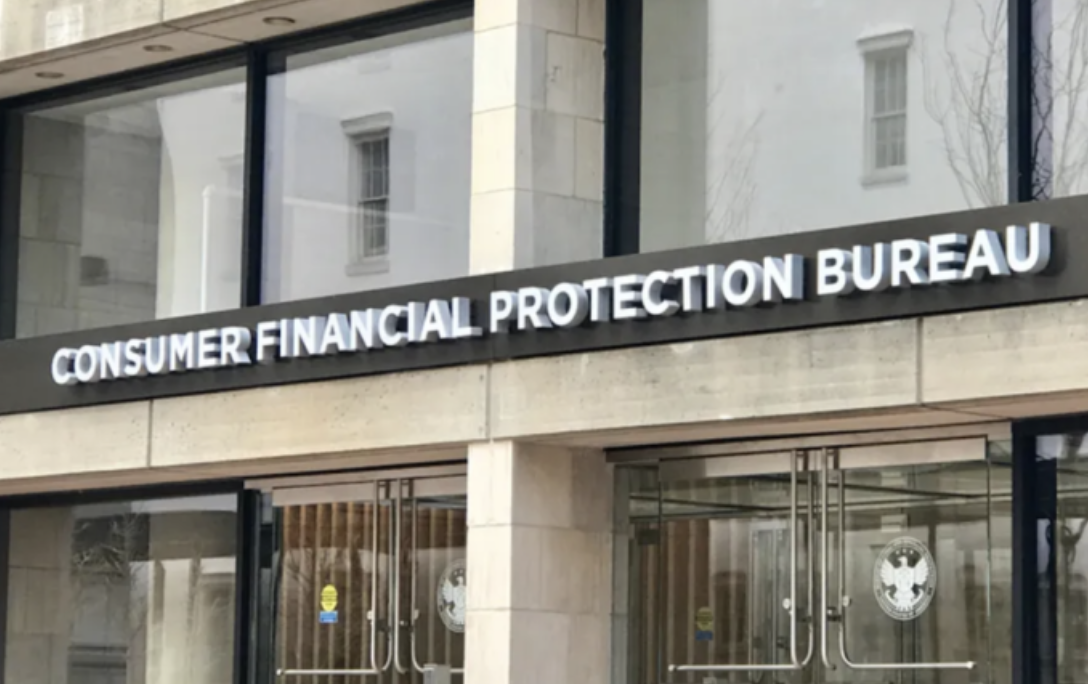
‘Undermining’ Congressional Intent
The Justice Department had earlier ruled that the funding for the CFPB, which comes from the Fed, was illegal.
U.S. District Judge Amy Berman Jackson said the law establishing the Consumer Financial Protection Bureau clearly authorizes the Bureau to draw its funding from the Federal Reserve, rather than through the annual congressional appropriations process, according to the New York Times.
In her ruling, Jackson said attempts to halt or interfere with the CFPB’s funding would undermine Congress’ intent to create an independent consumer protection agency following the 2008 financial crisis. The judge said she found no legal basis to require the Fed to stop transferring funds to the bureau or to condition that funding on additional approvals.
Supporters & Critics
Long the subject of criticism from credit unions while just as strongly supported by consumer groups, the CFPB was created by the Dodd-Frank Wall Street Reform and Consumer Protection Act and is financed through transfers from the Federal Reserve System, subject to a statutory cap. Supporters of the structure argue it shields the agency from shifting political winds, while critics say it limits congressional oversight.
As the CU Daily has been reporting, the ruling comes amid ongoing legal and political challenges to the CFPB’s authority, including efforts by industry groups and some lawmakers to rein in the agency’s enforcement powers and regulatory reach. In November in a notice, the Bureau described its own supervision department as “the weaponized arm” of the agency under its Biden-era director.
Jackson said Congress has the authority to design independent funding mechanisms for federal agencies and did so explicitly in Dodd-Frank. Courts, she wrote, are not empowered to rewrite that framework.
Continuing to Operate
Although its offices have all but closed, the Times noted the decision allows the CFPB to continue its operations without interruption, including supervision, rulemaking and enforcement actions affecting banks, credit unions and nonbank financial companies nationwide.
Opponents of the CFPB’s funding model could still appeal the ruling, setting the stage for continued legal battles over the agency’s future and independence, the report added.