DUBUQUE, Iowa — Six years after it began construction and three years after it officially moved in, Dupaco Credit Union has settled into one of the most incomparable headquarters in credit unions—if not all companies—in a century-old space it said reflects its vision and values and which has helped to revitalize this river city’s downtown.
In 2019, Dupaco began a complete reconstruction of what had once been a landmark in downtown Dubuque, the 174,670 square-foot, five-story structure at 1000 Jackson St. that was originally built in 1924 as part of the Carr, Ryder & Adams Manufacturing Co. Today it is known as the Dupaco Voices Building, and it one of the most unique office spaces of any credit union in the country, a bright modern space that pays homage to its mill working history (it’s located in what was once known as the Millwork District), including a timeline on the first floor that highlights its heritage, and combines it with a modern and open layout.
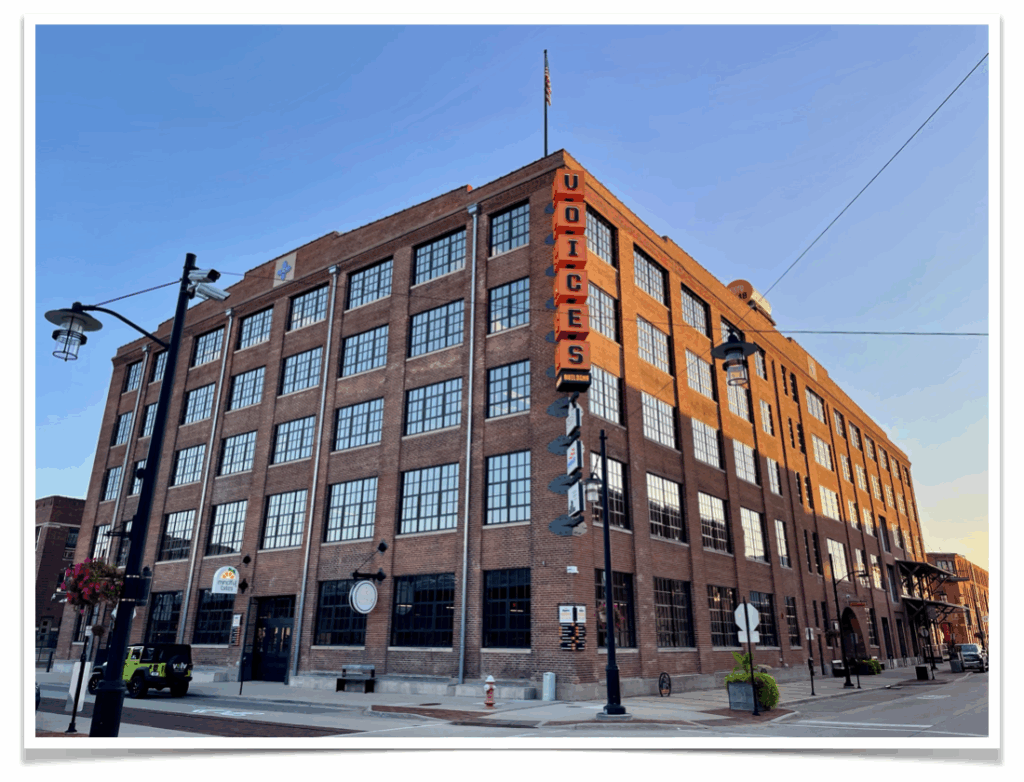
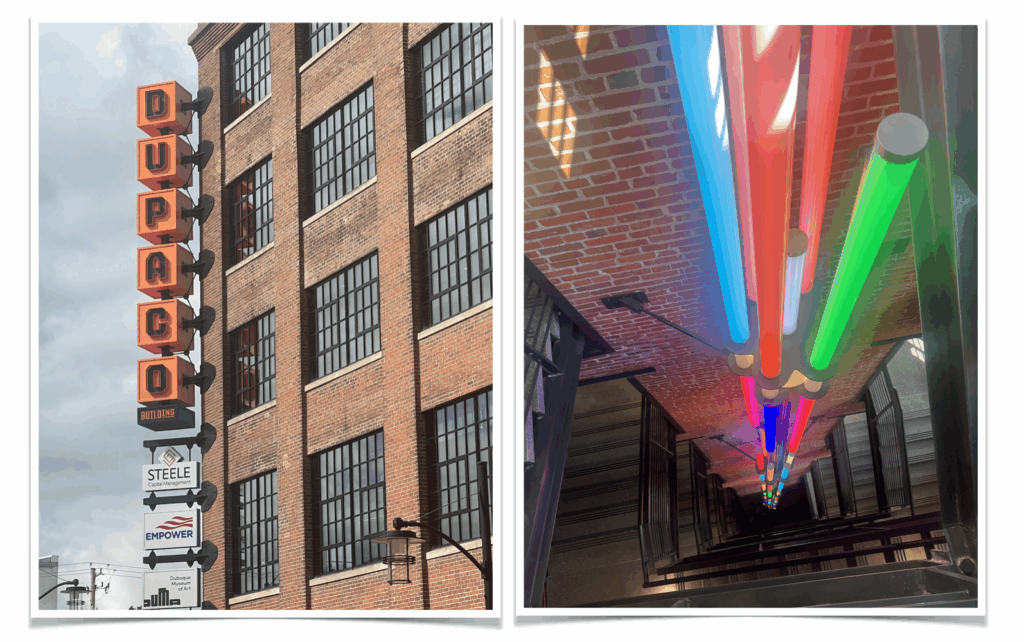
The building got its name from an annual arts festival that was celebrated in the building from 2006-2015 called Voices from the Warehouse District Arts Festival. Dupaco opted to retain the name when it bought and remodeled the structure.
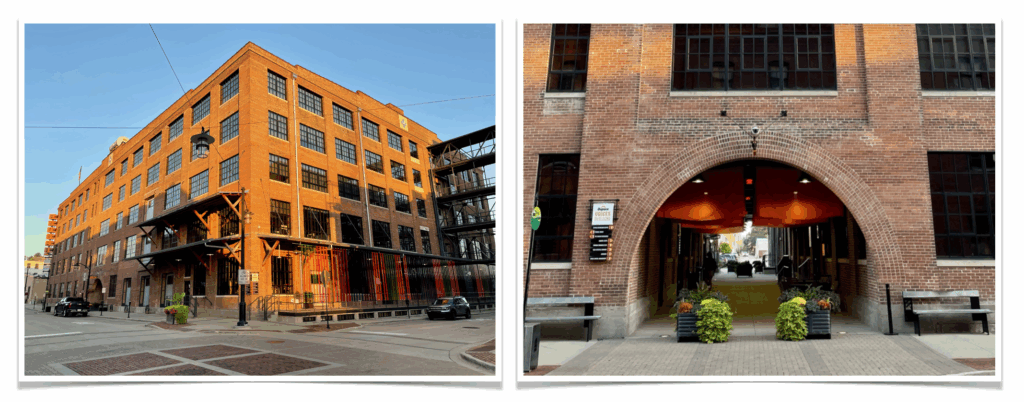
The $3.58-billion Dupaco, which has more than 177,000 members, now occupies the top floors of the building, with the first floor available for other retail uses, including a space for the Dubuque Museum of Art. The building also includes Dupaco Alley, a publicly accessible pedestrian walkway in historic downtown Dubuque, a portion of which is covered. The Alley stretches 264 feet long, is 19 feet wide, and is illuminated, so it can accommodate live music, outdoor dining and even food trucks.
Numerous Options Considered
The credit union, which was chartered in 1948 to serve workers at the Dupaco Packing Co., had long been headquartered downtown but had outgrown the space. It looked at numerous options, including building new, before buying the old manufacturing building with its brick façade and launching the remodel.
Since opening, the Dupaco Voices building has won numerous awards, including Best Building Rehabilitation Award by Main Street Iowa, the Ken Kringle Historic Preservation Award by City of Dubuque and the Adaptive Re-Use and Sustainability in Preservation Award by Preservation Iowa.
The Q&A
The CU Daily recently toured the building and spoke with CEO Joe Hearn and CMO Dave Klavitter. Below, they respond to questions from the CU Daily offering more details about the building, tax credits, what it’s mean to employees, and more.
The CU Daily: What was your initial response when you first saw the building, and what kind of shape was it in?
Dupaco: When we first walked through the historic millwork building it was clear it had seen better days—but it also had incredible bones. The structure was solid, the character was undeniable, and you could feel the history in every timber and brick. It was in rough shape, but we saw potential. It was a diamond in the rough, waiting to be brought back to life.

The CU Daily: Did you feel it was important you remain in downtown Dubuque, and what other sites did you look at?
Dupaco: As a not-for-profit, member-owned cooperative, Dupaco owed it to our member-owners to evaluate all options and incentives to ensure any project provides maximum value to our members, employees, and community.
Part of our decision criteria included the impact on community connection and revitalization. Dupaco is deeply rooted in this community, and we wanted to increase the momentum of Dubuque’s downtown revitalization.
We did look at other sites—some more turnkey—but none offered the same opportunity to preserve history, contribute to the neighborhood, and create a space that truly reflected our brand and values.
The CU Daily: What ultimately convinced you to move forward?

Dupaco: It was a combination of vision and values. We saw how this building could become a physical embodiment of our mission—cooperative, community-focused, and forward-thinking. The opportunity to restore a historic space and make it a hub for collaboration and innovation was too compelling to pass up.
The CU Daily: All rehabs seem to come with surprises. What surprises (either good, bad or both) did you encounter?
Dupaco: The building was built in 1924 as a factory. That meant it had open floor plan, exposed floors, walls, ceiling, and floors. That meant there was nothing to uncover or expose to surprise us. We were able to preserve and showcase the original features—like exposed brick and timber.
The CU Daily: To make the building project work, Dupaco was able to obtain tax credits that wereobviously important. For credit unions unfamiliar with how these work, could you explain how it can be a somewhat (perhaps a lot) complicated process?
Dupaco: Historic tax credits were essential to making this project financially viable. They help offset the cost of preserving and rehabilitating historic buildings, but the process is complex. It involves multiple layers of compliance, documentation, and coordination with state and federal agencies.
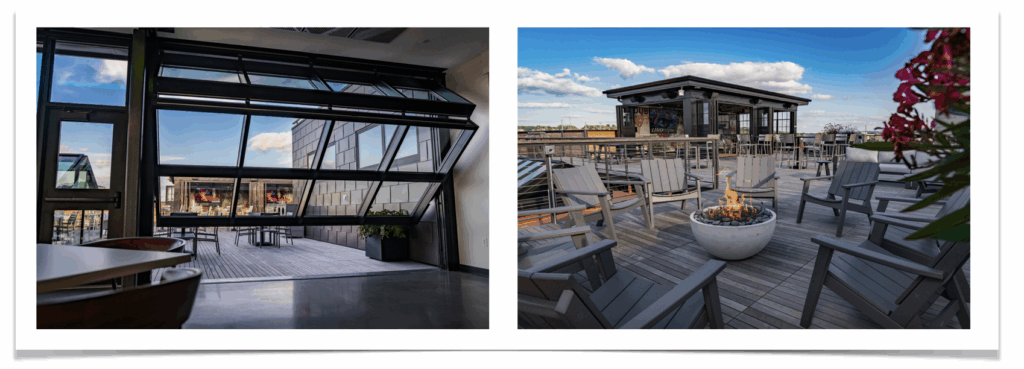
As an entity exempt from federal income tax, we had to recruit an outside investor who could monetize the credits. Our chief financial officer, Danielle Gratton, was integral throughout the complex process, which included key partnerships with tax credit accountants, attorneys and investors.
The CU Daily: What, ultimately, as result of the above, did the building cost?
Dupaco: We were able to secure $17.5 million in tax credits and other incentives, such as sales tax rebates, tax increment financing, etc. The result was a net building cost of $25.9 million for 180,000 square feet of working space.
This was more cost-effective than nearly all the other options the board considered. The total cost was around $43.4 million. That includes acquisition, rehabilitation, modernization, and all the work to make it a functional, inspiring space for our team and community.
The CU Daily: How did you go about determining what the internal office layout/design would look like?
Dupaco: We engaged our employees early in the process. Through surveys, workshops, and feedback sessions, we learned what they needed to thrive—collaborative spaces, natural light, quiet zones, and flexibility. We also worked with architects who understood how to blend historic character with modern functionality.
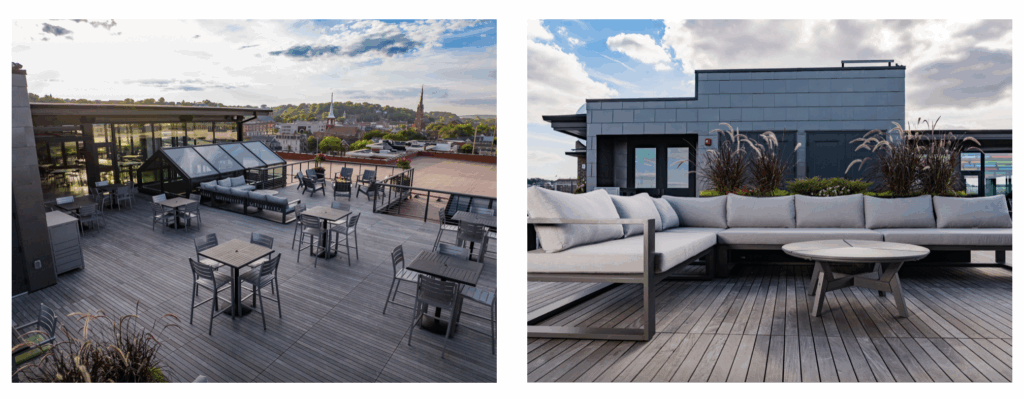
The CU Daily: What has been the employee response, and do you consider the building a recruiting/retention tool?
Dupaco: The response has been overwhelmingly positive. Employees feel proud to work here—it’s energizing, inspiring, and uniquely Dupaco. It’s absolutely a recruiting and retention tool. When candidates walk in, they immediately get a sense of our culture and commitment to people.
The CU Daily: What can you tell us about the tenants, the space for the art display/gallery, etc.?
Dupaco: We’ve welcomed a mix of tenants who align with our values—creative professionals, nonprofits, and community-focused organizations. The art gallery space is a tribute to Dubuque’s vibrant arts scene. It’s open to the public and rotates local exhibits, helping connect our building to the broader community.

The CU Daily: Throughout the building there are numerous unique graphics that fill the walls and even a unique ceiling design in one space? Who is responsible for all of that?
Dupaco: Credit goes to our agency partner of nearly 30 years: Mike Schmalz of Refinery Design Company of Dubuque. He brought the building’s story to life through visual storytelling. From environmental graphics to wayfinding, every detail was thoughtfully crafted to reflect our brand and the building’s heritage.
The CU Daily: Could you share some of the touches in the building that reflect its original home as a mill working building?
Dupaco: We preserved original wood beams, exposed brick walls and wood ceilings, and replicated the industrial windows. We also incorporated millwork-inspired design elements—like custom wood installations and metal accents—that pay homage to the building’s roots. Even the furniture and fixtures echo the craftsmanship of the original space.
For Additional Info and Photos
Additional information, including photos and videos, can be found here as well as here from Stickley Mortan Architects.
Below, a graphic on a wall inside a meeting room.