
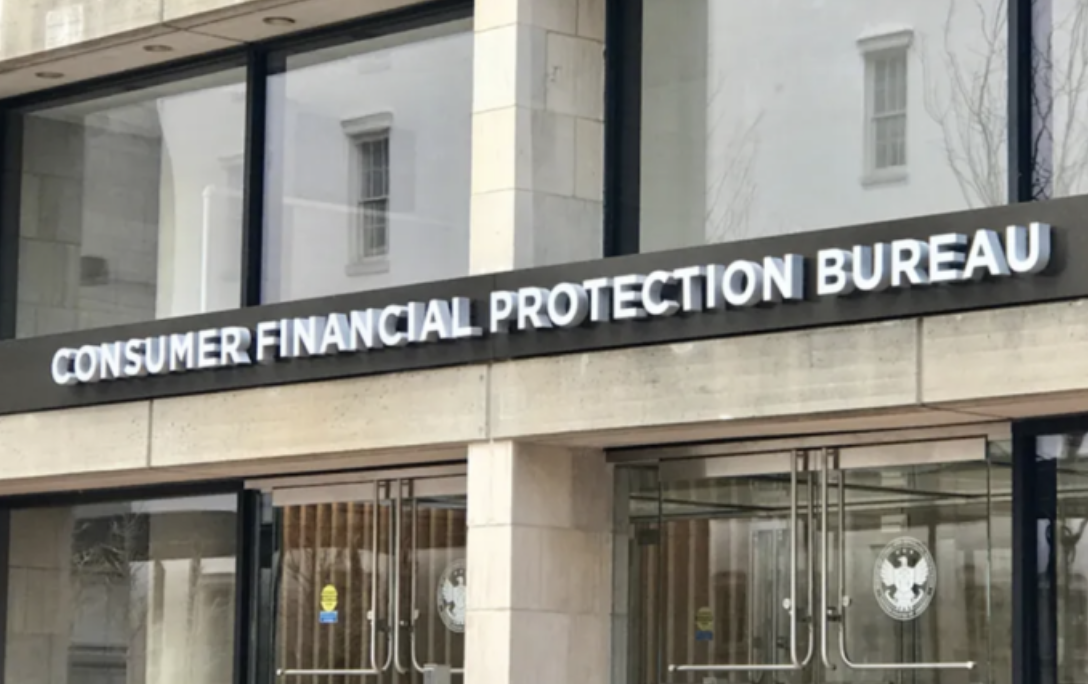
WASHINGTON–The Consumer Financial Protection Bureau (CFPB or Bureau) has proposed a far‑reaching rewrite of Regulation B (Reg B) under the Equal Credit Opportunity Act (ECOA).
The proposal would:
- Eliminate disparate‑impact liability under ECOA
- Significantly narrow the scope of “discouragement” to focus on explicit statements directed at applicants or prospective applicants
- Prohibit or tightly restrict the use of certain protected‑class criteria in Special Purpose Credit Programs (SPCPs) offered by for‑profit organizations. Existing SPCP‑originated credit would be grandfathered.
According to analysts, the Bureau is ground its ECOA interpretation in statutory text and recent U.S. Supreme Court jurisprudence, contrasting ECOA’s absence of “effects” language with Title VII and the Fair Housing Act (FHA), and citing concerns that effects‑based liability may drive outcome balancing by creditors that raises reverse discrimination and equal protection issues.
EO is Referenced
The proposal references the President’s 2025 Executive Order ending illegal preferences and urging agencies to curb disparate‑impact liability while framing the discouragement revisions as aligning Reg B with ECOA’s applicant‑focused scope.
For SPCPs, the Bureau points to changed market conditions since 1976 and constitutional constraints on preference‑based programs, concluding that for-profit organizations that offer SPCPs should not rely on an applicant’s race, color, national origin, or sex as a common characteristic in determining eligibility, and use of any remaining prohibited‑basis criteria under ECOA must be demonstrably necessary to address an applicant’s inability to obtain credit.
Removal of Effects Text
The proposal would remove the long‑standing “effects test” language from Reg B and its commentary and replace that language with new statements providing that ECOA does not authorize disparate‑impact liability, according to the CFPB.
A Pivot

ECOA claims would pivot to disparate treatment — a form of intentional discrimination, including the use of facially neutral criteria as proxies for protected characteristics — rather than effects‑based theories,” Financial Services Law Monitor said in its analysis. “In connection with this proposal, the Bureau emphasizes that ECOA’s text lacks the kind of “effects‑based” language the Supreme Court has noted as being critical to supporting disparate-impact liability in decisions under statutes like Title VII and the Age Discrimination in Employment Act.”
Financial Services Law Monitor further said a key passage “captures the agency’s concern” with the potential for reverse discrimination: “Under a regime with disparate-impact liability, creditors may believe that they are required not only to consider the impact of facially neutral policies and procedures on protected classes, but to adjust those policies with the goal of achieving particular protected class outcomes, in order to avoid potential disparate-impact claims. This may even involve policy changes that disadvantage certain protected classes in an effort to reduce the disadvantages for others.”
Comments Deadline
Comments are due 30 days after publication in the Federal Register, with a proposed effective date 90 days after publication.