SAN FRANCISCO and LAKEWOOD, Wash.— The Defense Credit Union Council (DCUC) convened credit union leaders from across the country as part of two recent events designed to deepen collaboration, accelerate innovation and address emerging operational and strategic challenges facing the industry.
The initiatives — a first-of-its-kind national gathering in California and a regional leadership meeting in the Pacific Northwest — reflect what DCUC described as a broader push to create more dynamic, participatory forums for credit union executives navigating rapid change in financial services.
New Format Debuts at ‘CU Unplugged’
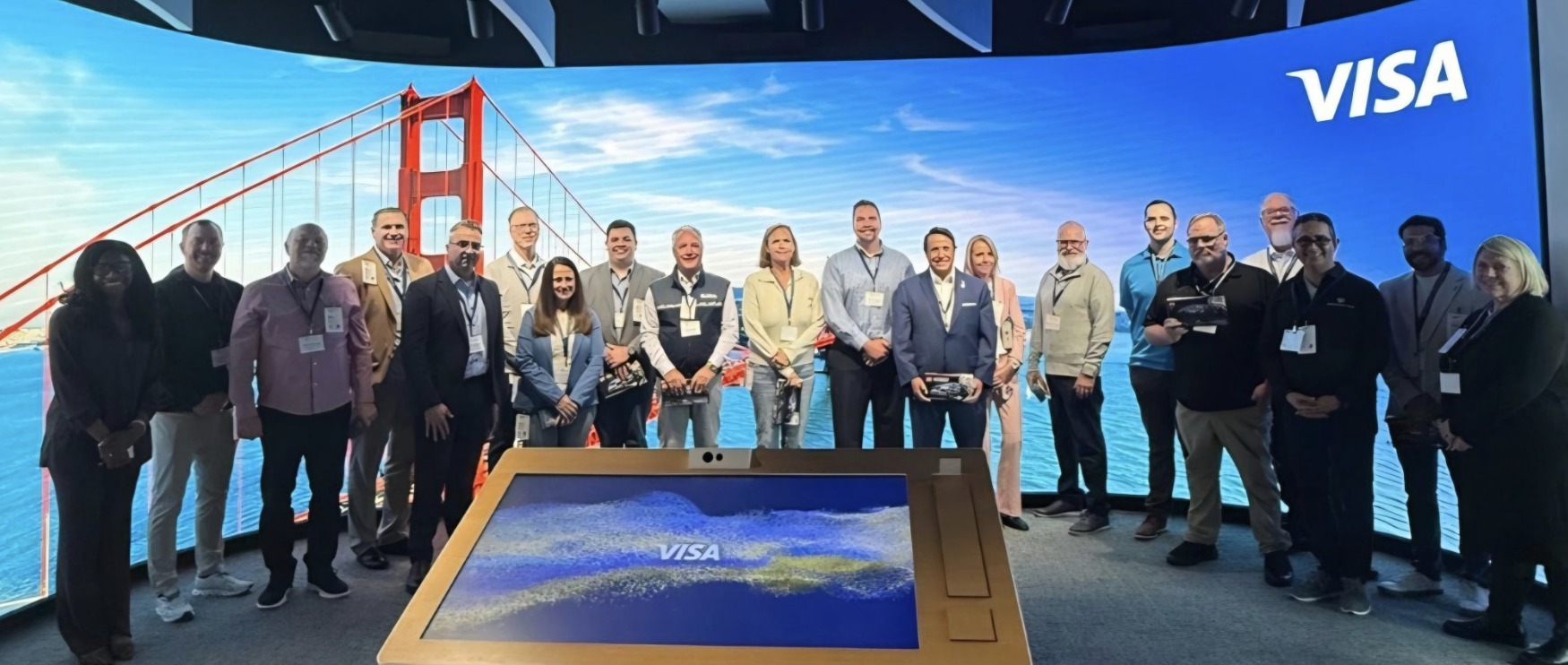
In partnership with Best Innovation Group, DCUC hosted the inaugural “CU Unplugged” March 30–April 2 at a Visa Market Support Center in San Francisco, where the event’s signature sponsor, Visa, provided the venue.
Organizers said the event broke from traditional conference formats:
- No preset agenda, keynote speakers or formal presentations
- No passive, lecture-style sessions
- Discussions driven in real time by participants
Instead, a curated group of credit union executives, fintech leaders and technologists shaped conversations organically, focusing on practical challenges and actionable solutions.
“CU Unplugged is about elevating the voices of those doing the work every day,” DCUC President and CEO Anthony Hernandez said in a statement. “This event created space for meaningful, unscripted dialogue around the complex challenges facing our industry.”
Key Areas of Discussion
According to DCUC, key areas of discussion included:
- Artificial intelligence governance and implementation risks
- Cybersecurity threats and resilience strategies
- Payments modernization and digital member experience
- Operational pressures and emerging competitive threats
John Best, CEO of Best Innovation Group, said the format was designed to move beyond theory.
“Innovation happens through open, honest dialogue,” Best said in a statement. “CU Unplugged created an environment where ideas could turn into action, helping shape the future of credit unions.”
Participants collaborated in small-group and full-room discussions, with organizers emphasizing that the absence of a rigid structure allowed for deeper engagement and faster idea-sharing among peers.
Regional Focus in the Pacific Northwest
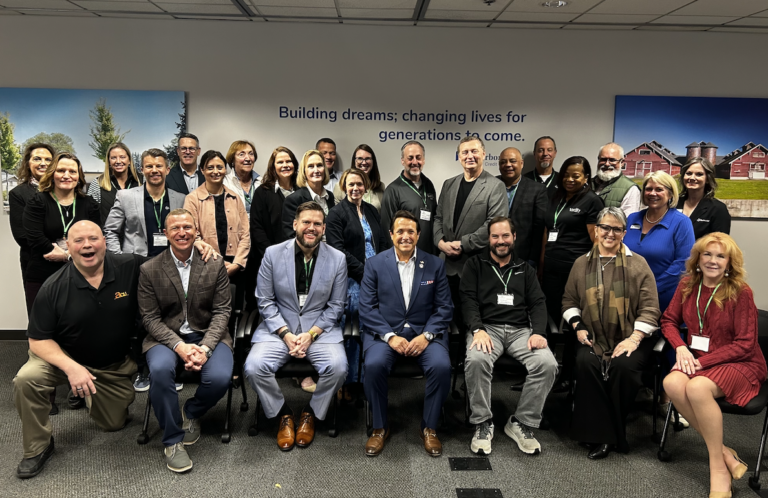
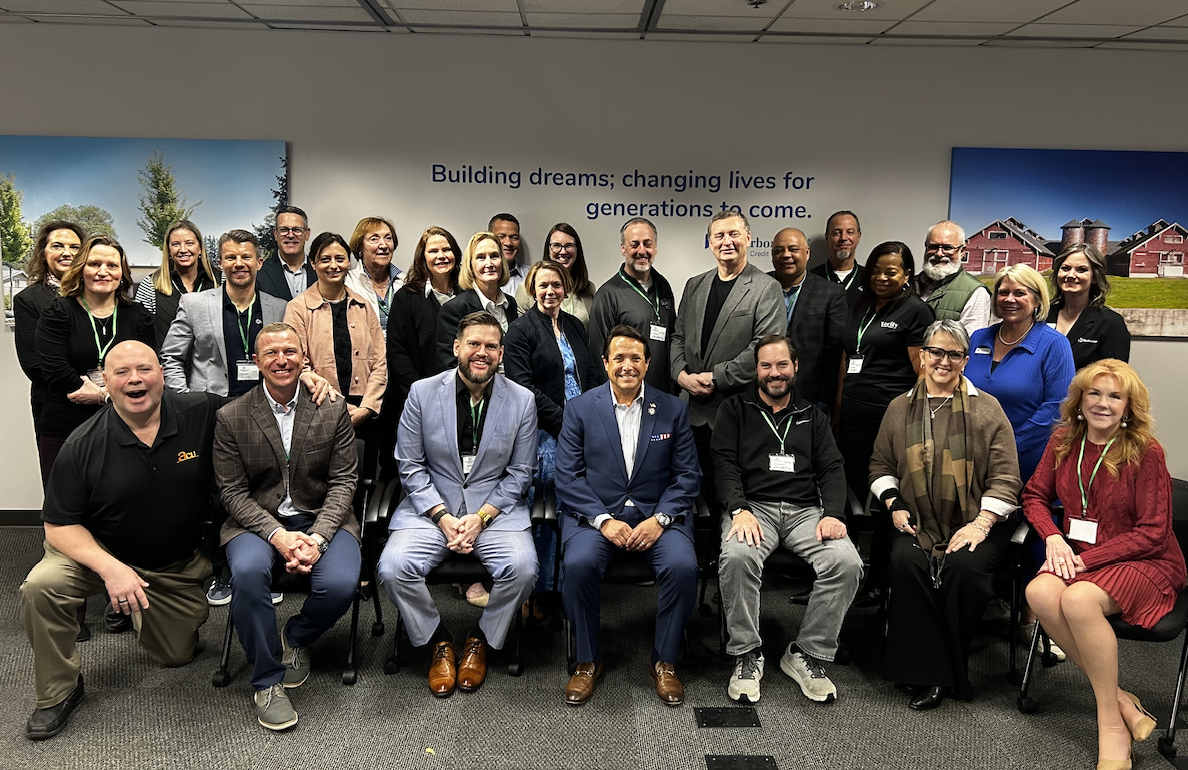
Days earlier, DCUC partnered with CUES to host a Northwest Sub-Council meeting March 27 at Harborstone Credit Union headquarters in Lakewood, Washington.
The half-day session brought together credit union leaders from across the Pacific Northwest for focused discussions on advocacy, leadership development and regional priorities.
- DCUC delivered updates on federal and state advocacy efforts
- CUES provided professional development insights on leadership readiness
- Attendees participated in open forums addressing real-time challenges
Hernandez, a retired U.S. Air Force colonel, provided a briefing on industry trends and DCUC’s strategic direction, emphasizing the need for proactive planning.
Continued Evolution
“As the financial services landscape continues to evolve, it’s critical that we remain proactive in identifying and addressing the needs of the many communities and members we serve,” Hernandez said. “DCUC’s strategic plan is focused on strengthening advocacy, enhancing resources, and ensuring credit unions are well-positioned to meet all challenges ahead.”
CUES CEO Heather McKissick led a session on leadership transitions, urging organizations to look beyond formal titles when preparing future leaders.
“Successful leadership transitions require more than naming the next leader,” McKissick said. “Organizations need to understand where influence actually resides — from stakeholder relationships and institutional knowledge to leadership style and external credibility.”
She added that intentionally developing and distributing those sources of influence can help organizations maintain continuity and trust during periods of change.
Emphasis on Collaboration and Readiness
DCUC said the Northwest Sub-Council meeting underscored the value of regional collaboration, particularly for credit unions serving military members, veterans and their families — a key constituency for the organization.
The council noted that its Northwest Sub-Council is focused on addressing challenges unique to credit unions in that region, while also providing a forum for peer exchange and coordinated advocacy.
Across both events, DCUC said it emphasized a common theme: the need for more adaptive, collaborative leadership as credit unions confront technological disruption, regulatory complexity and evolving member expectations.
Peer-to-Peer Learning
Participants at both gatherings connected through formal discussions and informal networking, with organizers highlighting the importance of peer-to-peer learning in an environment increasingly shaped by rapid innovation.
DCUC said it plans to continue expanding both national and regional engagement efforts, using formats like CU Unplugged and sub-council meetings to help credit union leaders share insights, test ideas and better position their institutions for the future.