WASHINGTON – The Defense Credit Union Council has sent separate letters to Capitol Hill in response to a group of senators’ questions around CU overdraft fees, while also urging passage of the CU Board Modernization Act, respectively
In the former, DCUC wrote to Sen. Elizabeth Warren (D-MA) in response to her letter—which was also signed by other Senate Democrats—to 21 credit unions asking for more information on their OD/NSF fees, as the CU Daily reported here. In the letter, DCUC Chief Advocacy Officer Jason Stverak pointed to “the critical differences” between credit unions and large for-profit banks, emphasizing the “member-owned, not-for-profit structure that drives consumer-friendly policies across the industry.”
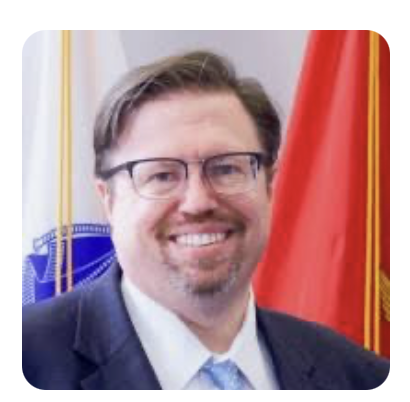
“We share your concern that too many households live on the financial edge,” Stverak wrote. “Credit unions remain true to their mission of serving people of modest means. In that spirit, I welcome the opportunity to address the issues you raised and to clarify how credit unions approach overdraft programs in practice.”
Points Raised
Points raised in DCUC’s letter included:
- “Credit unions’ overdraft services are voluntary, transparent, and member-centric. Overdraft protection often serves as a critical short-term safety net, especially for military families who face frequent relocations, deployment-related disruptions, and unpredictable pay schedules.”
- “Strong consumer safeguards are already in place. Many credit unions cap fees, require opt-in consent, offer real-time alerts, set repayment timeframes, and provide financial counseling to help break cycles of repeat overdrafts.”
- “Industry practices show a major decline in overdraft revenues. Stverak cites national data showing a sharp drop in overdraft and NSF fee income across both banks and credit unions, reflecting years of reform and competition that benefit consumers.”
Additional Concerns
DCUC noted it also raised concerns about one-size-fits-all mandates, explaining that proposals like a $5 fee cap fail to account for the cost of providing overdraft protection, potentially forcing institutions to eliminate the service, leaving consumers with more harmful alternatives such as declined transactions, late-payment penalties, or predatory lenders.
“Credit union overdraft programs are markedly different from the predatory practices sometimes associated with big banks,” Stverak stated. “Our programs are designed to protect members, not to trap them.
“We are hopeful of a renewed dialogue with Senator Warren to explore practical, consumer-focused solutions such as enhanced disclosures, financial education, and innovative tools to reduce reliance on overdraft services,” he added. “Credit unions have a strong track record of working collaboratively with lawmakers and regulators to protect consumers…we believe credit unions are a vital part of the solution, and as we stated in the letter, collaboration is what will yield the best outcomes for the people we all serve.”
Swift Senate Passage of Credit Union Governance Modernization is Urged
Separately DCUC sent a letter to Senate Majority Leader John Thune and Minority Leader Chuck Schumer urging swift passage of S. 522, the Credit Union Board Modernization Act, before the Senate adjourns for the year.
The Credit Union Board Modernization Act would update a 1930s-era requirement mandating that credit union boards meet monthly. Under S. 522, well-managed federal credit unions could meet at least six times per year, while newly chartered or higher-risk credit unions would continue meeting monthly.
“This tailored approach preserves strong oversight while freeing resources for member service,” DCUC stated.
‘It’s a Necessity’
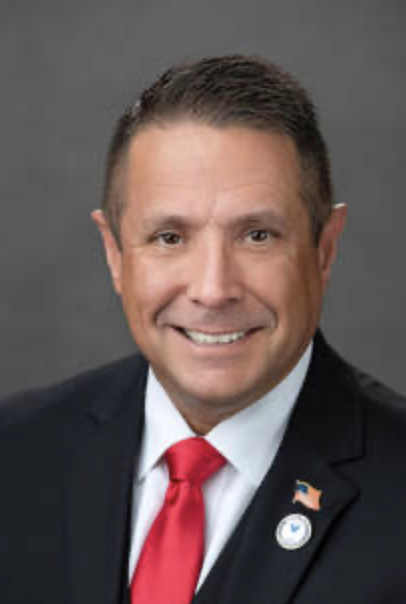
“For credit unions serving our nation’s military, flexibility isn’t a convenience—it’s a necessity,” Anthony Hernandez, DCUC president/CEO, said in a statement “The current monthly meeting mandate does not reflect the realities of deployments, relocations, and global operations. S. 522 will help defense credit unions better serve service members and their families by allowing us to devote more energy to improving financial readiness.”
Broad Support
DCUC noted that the bipartisan bill, introduced by Sen. Bill Hagerty (R-TN) and Sen. Lisa Blunt Rochester (D-DE) has broad support across the credit union system, including backing from every major credit union trade association and dozens of Senate cosponsors.
DCUC’s letter explained that the legislation would provide meaningful regulatory relief to credit unions serving over 144 million Americans, including millions of military families.
“We respectfully request that you place S. 522 on the Senate’s hotline for unanimous consent passage or otherwise schedule it for immediate floor consideration under a unanimous consent agreement,” the letter states. “Given the bill’s strong bipartisan backing, we are confident that if brought up in the Senate it would pass without objection. By moving this bill now, Senate leadership would demonstrate a laudable commitment to bipartisan regulatory relief that helps community-based financial institutions and their members.”
Strain on Small CUs
DCUC’s letter notes that monthly meeting requirements disproportionately strain small, rural, and defense credit unions, many of which rely on volunteer board members who balance deployments, travel, and professional obligations. “The bill would allow credit unions to redirect time and resources from procedural compliance to serving members, expanding financial education, and supporting military financial readiness,” the trade group added.
“This is a targeted, bipartisan fix that strengthens governance efficiency without compromising safety and soundness,” added Stverak. “It will help credit unions spend less time navigating red tape and more time supporting their communities.”