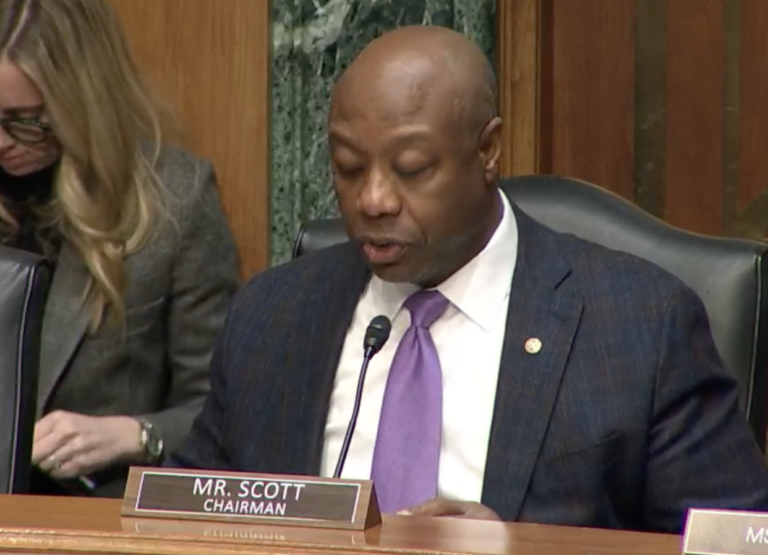
WASHINGTON–Hearings on Capitol Hill are always an indicator of how regulatory oversight of financial institutions have the potential to change depending on the outcome of midterm elections and/or a presidential election should there be a flip in the parties in control, and Thursday’s Senate Banking hearing at which NCUA Chairman Kyle Hauptman appeared was no exception.
In opening comments, Chairman Tim Scott (R-SC) and Ranking Member Elizabeth Warren (D-MA) took sharply opposite views in their opening comments.
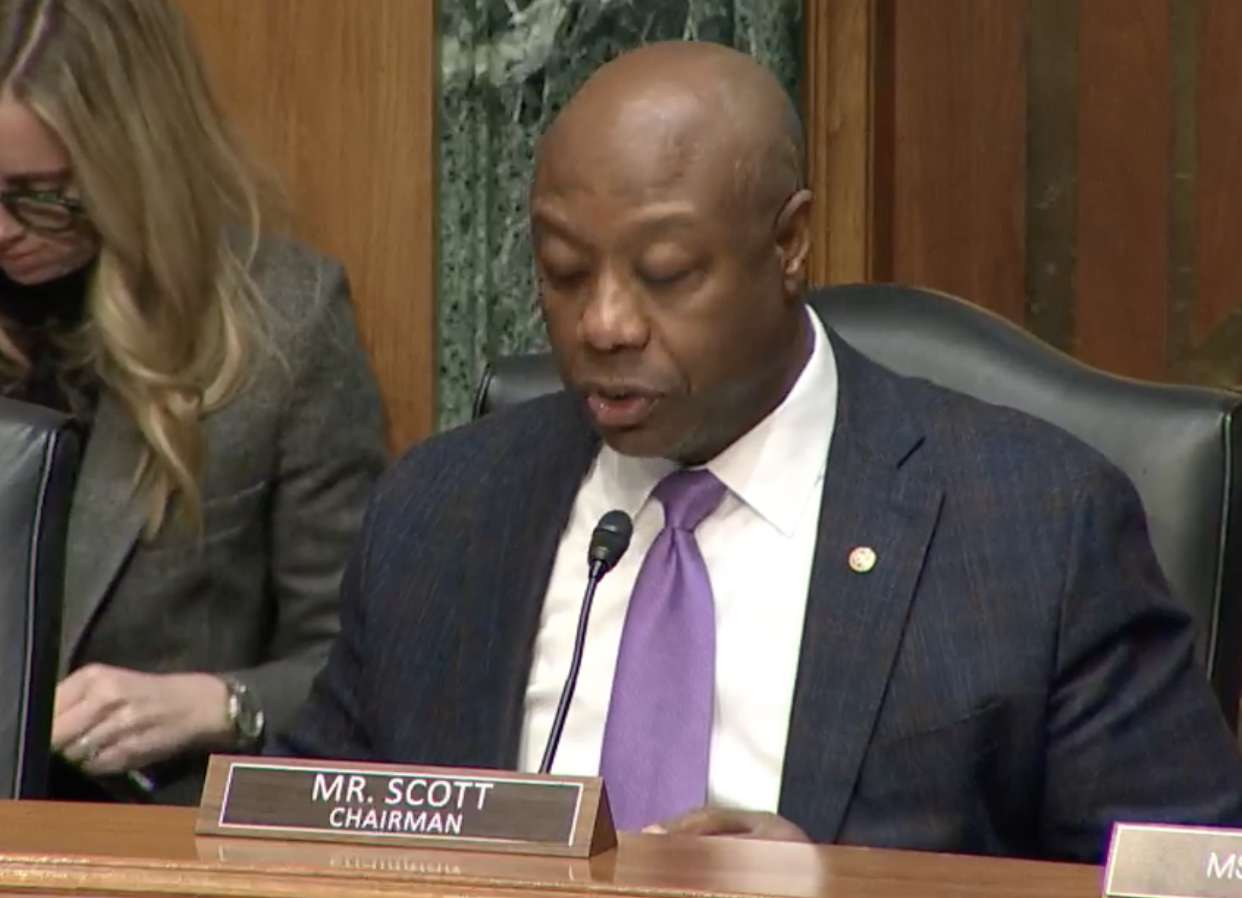
After stating that too many Biden-era regulations had “piled up” and also expressing support for removal of disparate impact regulations and reputation risk rules, Scott said, “Strong safeguards and economic growth are not opposites. In fact, when our economy is growing and Americans are working saving and investing, our financial system becomes stronger. This is why getting the balance right actually matters a lot. One important step is making sure capital rules reflect real-world risk without unnecessarily holding back lending. I appreciate your agencies’ work to rethink Biden-era proposals…that would have significantly increased capital requirements to the detriment of our economy. We must ensure that rules designed in Washington do not make it harder for small businesses in Spartanburg, S.C., or across the country, to grow.”
‘Frozen in Place’
Scott praised the Fed for changes it said are designed to boost housing affordability and stated that regulatory thresholds that have been “frozen in place for years…do not reflect the size of today’s economy.”
Scott expressed support for the tailoring of regulations that reflect the unique nature of each institution examined, including on material financial risks, so that financial institutions can “serve their customers effectively while maintaining safety and soundness. Having a robust process for appealing supervisory determinations is necessary to provide regulated institutions with due process and transparency.
“At the end of the day the decisions made by this committee and by our banking regulators have real consequences. They affect whether a family can qualify for a mortgage, whether a small business can expand, whether communities in…South Carolina and across the country can have access to the capital they need to grow,” Scott said.
Warren: President Has ‘Failed’
In her remarks, Warren said President Trump has had more than a year to keep his “number-one campaign promise” of making life for everyday Americans more affordable and “boy, has he failed.”
Warren cited data that found Trump’s tariffs have added $11,000 in costs for the average new home.
“Americans are squeezed hard, but boy, this is a good time to be a Wall Street CEO,” said Warran, pointing to recent reports that the CEOs of the largest banks and investment firms were paid more than $250 million in compensation last year. “The rich are getting richer. And everyone else struggles,” said Warren.
Warren said the removal of many regulations and looser rules led to the financial crisis of 2008-09, saying it wiped out $20 trillion in savings and retirement plans.
‘No Handcuffs, Just Golden Parachutes’
“Washington helped cause that crash by eliminating common sense guardrails that kept banks safe and focused on serving communities,” Warren said. “When the crash hit, Washington bent over backwards to funnel trillions of dollars to bail out Wall Street. Wall Street executives who deserved handcuffs instead were rewarded with golden parachutes. It was brutal capitalism for families on Main Street, socialism for billionaires on Wall Street.”

Warren said Wall Street lobbyists and “piles of campaign cash” have worked hard to the damage caused by the financial crisis and said the current vice chair of the Federal Reserve, Michelle Bowman—who was testifying during the hearing—was among those who helped to deregulate Silicon Valley Bank and other large banks that became some of the largest bank failures in U.S. history.
‘Wall Street Wish List’
“Now, she and Trump’s other regulators are implementing Wall Street’s wish list and at the top of the list is weakening capital rules, including stress testing. Banks love debt. They want to make their bets using other people’s money, so depositors and taxpayers are left holding the bag if things blow up,” said Warren. “Capital rules require banks to fund loans and investments with some of their own money so that they have skin in the game.”
Warren alleged that the president’s appointees at federal regulators have rubber-stamped mergers, have allowed banks to engage in dangerous crypto activities, have rescinded a rule designed to drive investment in low-income communities, have “eviscerated fair lending standards,” and have “taken financial cops off the beat by cutting staff by 15 to 30%.”