COSTA MESA, Calif.– Electric vehicle financing picked up in the third quarter as consumers rushed to take advantage of an expiring federal tax credit, pushing EVs to a larger share of the auto finance market, according to new data from Experian that also show credit unions held 21% of the auto financing market.
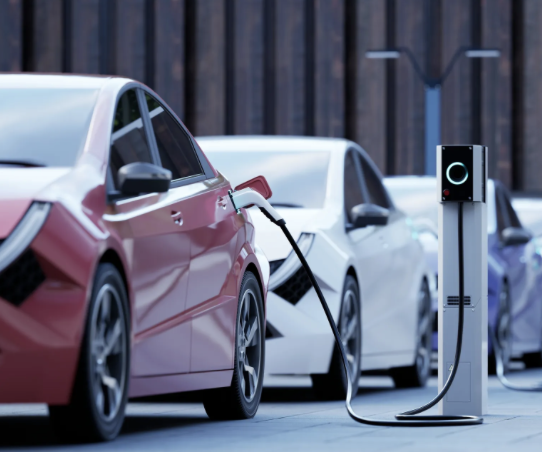
EVs accounted for 11.36% of new-vehicle financing in Q3, up from 10.14% a year earlier, Experian reported in its State of the Automotive Finance Market Report. With the tax credit ending in September, leasing activity climbed sharply: More than 56% of consumers leased a new EV in the quarter, compared with just over 46% a year earlier.
Reshaping the Market
According to Experian, the shift significantly reshaped the lease market. EVs represented less than 18% of new leases in the third quarter of 2024; a year later, they made up one in four.
Four of the 10 most-leased models were electric, led by the Tesla Model Y at 4.35% and Tesla Model 3 at 2.58%. The Honda Prologue ranked fifth, and the Hyundai IONIQ 5 placed ninth, Experian reported.
“With the EV tax credit expiring at the end of September, industry analysts expected an acceleration in EV activity during the third quarter,” Melinda Zabritski, Experian’s head of automotive financial insights, said in a statement, adding that the rise in EV leasing could influence the used-vehicle market as those models come off lease.
Broader Financing Trends
Meanwhile, the Experian report suggests broader financing trends reflected easing interest rates but rising loan amounts. The average rate for a new-vehicle loan fell to 6.56% in Q3 from 6.65% a year earlier. The average loan amount rose by $1,378 to $42,332, lifting the typical monthly payment to $748. Used-vehicle interest rates declined to 11.40%, though average loan amounts and monthly payments also ticked higher.
Longer loan terms continued to grow more common as shoppers sought to lower monthly costs. Nearly 30% of new-vehicle loans carried terms of 73 to 84 months, up from just over 27% last year, while loan terms exceeding 85 months also increased. Similar trends appeared in the used-vehicle segment, Experian reported.
Shopping by Payment

“Consumers tend to shop for vehicles based on monthly payment,” Zabritski said. “Although we’re beginning to see interest rates slowly decline, affordability remains top of mind.”
Additional Findings
Additional findings show:
- Banks held the largest share of the auto-finance market at 28.91%, followed by captives at 26.20% and credit unions at 21.10%.
- Delinquencies edged up, with 30-day past-due accounts rising to 2.45% and 60-day delinquencies reaching 0.96%.
- New-vehicle financing grew to 43.27% of total auto finance activity, while used-vehicle financing declined.
- Refinancing savings continued to improve, averaging $77 per month in Q3. CUVs and SUVs remained dominant, making up 63.59% of new-vehicle financing.