Hiring a Commission Loan Salesperson: A Guide for Small Credit Unions
By Doug Wadsworth
As a small credit union, your core focus should be on lending: it’s in the name, and it’s your primary path to profitability. In Chapter 5 of my book “Keep It Simple, CEO,” I explain how hiring a commission-based loan salesperson transformed my credit union’s loan growth. It’s an unorthodox move for most small CUs, but it worked for us, doubling our loans after I took over in 2008. We have been over 90% loaned out ever since.
Sure, every CU is different, but if you’re struggling to get deposits loaned out, this could be a game-changer.
Bread and Butter
Loans are your bread and butter, it is where virtually all of your income is generated. As CEO, 75% of your time should go toward making lending fast, easy, and competitive—streamlining processes, finding niches, and approving more loans. If you’re weak in lending, hire somebody who is strong (true introspection here is vital).
When did I learn this? At a 2010 conference workshop by Brett Christensen (CU Lending Advice, LLC): “If you want to really grow loans, you need to pay for production. There is no other way.” My whole paradigm shifted during his presentation. As soon as I got back to my office from that conference, I created an incentive plan and posted the job. The base was low, but without a real ceiling a successful salesperson could earn as much as me (the CEO). If ego is an issue (an employee might make as much $ as you), step back. Your pay is steady while theirs fluctuates. A successful salesperson benefits everyone, and if you underpay, they’ll leave.
Preventative Maintenance
I suggest you first offer the position to your current employees, even if they lack sales temperament or lending experience. Clarify that minimum production is required, or they’ll be let go if they can’t perform in a set number of months (since their old spot will be filled by a new employee). In my case, no one applied for it (luckily), but by providing that opportunity it helped prevent resentment later, when existing employees saw the salesperson performing well and earning high wages. One employee tried to complain to me later and I was able to respond: “I offered you the job and you didn’t even apply, so you can’t complain now!”
Hiring the Right Person
Look for true salespeople, they will be different – different apparent work ethic, personality, and motivation. They might seem less team-oriented because they avoid non-sales tasks or come across as even a little lazy–but if they can bring in the loans, who cares! If they’re trustworthy, embrace the CU philosophy, and maintain OK rapport with the team, they’re gold. Prioritize somebody with a sales background (my guy was from the car dealership industry) and then you just train them on the CU difference.
Setting Up the Commission Structure
Think carefully before you launch the commission structure, because changes later can be messy and difficult. For instance, it won’t go well if you try to reduce the commission payout after they exceed the targets. So, get it all written down, clearly, and agree on it (with the clause you can adjust it later, which will happen occasionally).
It is particularly vital that the commission structure avoids conflicts of interest, for instance:
- No Lending Authority: The salesperson shouldn’t have authority to approve loans, only bring in the applications. There will be motivation for them to push risky ones for commissions, naturally.
- Separate Audit and Funding: A separate employee should review the loan applicant information, verify the references, and fund loans. Audit some of them every month (keep them honest).
- Sliding Scale: Commissions should increase with volume—more loans mean higher per-loan pay. Estimate your ceiling, but don’t be surprised if they exceed it, because a really good salesperson probably will.
- Manage Risks: My guy went out and connected with all the subprime dealers, and our auto loans TOOK OFF. A few months later the NCUA panicked and made us slow down (so the new loans could “season” allowing us to assess delinquency, etc.). That was a good thing, because we realized our underwriting did need some tweaks. For instance, we started requiring more references, calling to verify they were legitimate, and checking the options (prevent dealer “happy booking” values). So, manage the concentration, and have some guard rails in place.
- GAP/Warranty Incentives: Your salesperson will be motivated to sell these, so set up a sliding scale (the more they sell, the more they’re worth). You should probably deduct commissions on refunds that occur within a year to prevent misleading sales or built in “scheduled cancellation.” Also, ensure your GAP and warranty products are a good and competitive deal for the member, and set limits to ensure they are only sold when they will truly help the member (GAP probably doesn’t make sense if they have equity).
Balancing Competitiveness
Naturally, a driven salesperson will push you to loosen up underwriting and drop rates to make their job easier so they can sell more. It’s the path of least resistance and whatnot; you would do the same in that position! Listen to their good ideas and be reasonable, but remember you are the gatekeeper: Stay competitive enough they can win over half the deals, but not so lax they don’t have to work hard and beat the street. Changes to underwriting and rates will affect your loan yield, delinquency and charge-offs, so be judicious and run the numbers.
The Bottom Line
If loan growth is your bottleneck, a commission salesperson can deliver. Accept their differences, structure incentives wisely, and monitor it closely. If done right, it’s a win for your members, your employees and your bottom line. We have changed the structure a lot over the years, as products come and go. Now my loan sales guy is our VP of Lending, so we had to change the commission to pay for overall “portfolio growth and ratio performance,” allowing him to have loan authority and still minimize conflicts of interest (but essentially, it’s the same thing).
Our loan-to-share ratio has been over 90% for 15 years, and this is the primary reason we have been profitable and able to truly “give back” to our members in valuable cooperative ways, while supporting our community and local charities, and providing great pay and benefits to our employees. If you are interested in hearing more of my ideas and experiences, check out my book on Amazon: Keep it Simple, CEO, a DIY Profitability Guidebook for Small Credit Unions.
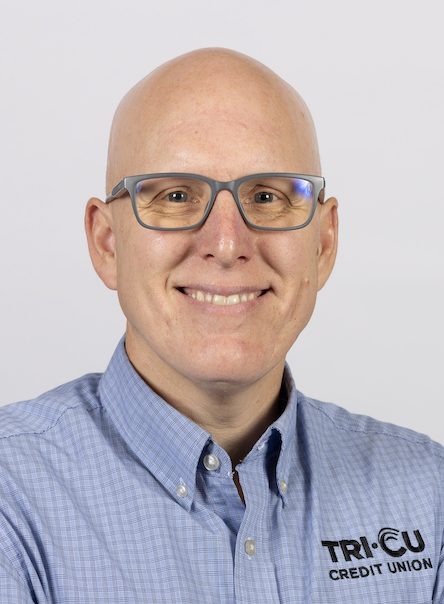
Doug Wadsworth is CEO of Tri-Cities Community Credit Union in Kennewick, Wash. Doug Wadsworth is also the president of a new non-profit advocacy group exclusively for small credit unions, the Endangered Small Credit Union Defense (www.endangeredsmallCUdefense.org). He can be reached at [email protected] or on LinkedIn here.