DETROIT — The number of vehicles on U.S. roads suspected of having rolled-back odometers is rising sharply, costing consumers thousands of dollars and highlighting persistent fraud in the used-car market, according to a new report.
Data from Carfax estimates that about 2.45 million vehicles currently in use show signs of possible odometer rollback, a 14% increase from last year. The jump follows a 4% rise the previous year, indicating the problem is accelerating rather than easing, noted AutoBlog.com in its analysis.
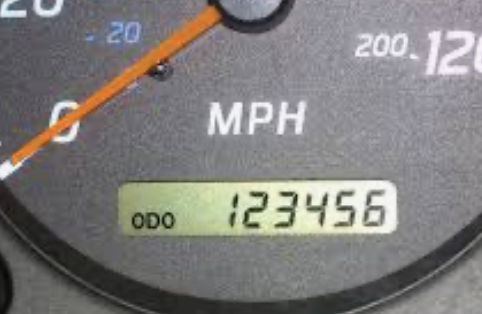
The transition from mechanical to digital odometers has not eliminated tampering, the report said. Instead, it has shifted the methods used. Inexpensive electronic tools can now be used to alter digital mileage readings, while expanded data tracking has improved the ability to detect inconsistencies after a vehicle changes hands.
Vehicles flagged for potential odometer fraud lose an average of $3,300 in value, according to Carfax. For buyers, the financial impact often extends beyond the purchase price, emerging later in the form of unexpected repairs, accelerated wear or safety issues inconsistent with the mileage displayed.
Uneven Distribution
The increase is not evenly distributed nationwide, with some states experiencing faster growth in suspected cases than the national average, the report said.
For some buyers, the discovery comes too late. A California driver, Seven Beverly of Valencia, told AutoBlog.com he learned of a possible rollback only after purchasing a vehicle and later running a history report.
“I needed to buy a car, and I negotiated the price down to something I could afford,” Beverly told AutoBlog.com. “I later was curious about the car’s history, so I checked the Carfax and saw that there was a possible odometer rollback. It’s definitely something that I wish I knew before buying.”