WASHINGTON–The House has passed the credit union-supported Housing for the 21st Century Act, which included the Credit Union Board Modernization Act as an amendment, as well as other CU-supported provisions.
“The Housing for the 21st Century Act is an important step forward for credit unions, with several provisions that provide regulatory relief and support housing affordability,” Scott Simpson, president and CEO of America’s Credit Unions, said in a statement. “For years, America’s Credit Unions has advocated for modernizing outdated credit union governance rules that no longer reflect how institutions operate or the communities they serve. The inclusion of the bipartisan Credit Union Board Modernization Act within this package gives credit unions greater flexibility to build strong, effective boards while maintaining robust oversight and accountability.
“Modern governance helps credit unions focus on what matters most: expanding access to affordable financial services, supporting homeownership, and serving members during times of economic uncertainty. We appreciate the House continuing to recognize the need for these updates and urge the Senate to move quickly to advance these commonsense reforms,” Simpson added.
What’s Included
The Housing for the 21st Century Act (H.R. 6644), led by Rep. French Hill (R-AK), has numerous components, including:

- Modernizing HUD & Regulations: The bill seeks to streamline federal environmental review processes to speed up construction, reduces duplicative regulations, and updates outdated HUD programs.
- Manufactured Housing & Zoning: It updates standards for factory-built homes to encourage their use as affordable options and provides local governments with tools to increase housing production.
- Financing Enhancements: The legislation raises multifamily loan limits and indexes them to construction costs, aiming to stimulate apartment construction. It also supports small-dollar mortgage financing to increase homeownership opportunities.
- HOME Program Reform: The bill seeks to improve the HOME Investment Partnerships Program by giving states and cities more flexibility, reduced administrative hurdles, and faster timelines to build. The HOME program is the largest federal block grant to U.S. state and local governments designed exclusively to create affordable housing for low-income household
Bill Has Passed Committee Vote
In remarks shared during a press call prior to the bill’s passage, Greg Mesack, senior vice president of advocacy at America’s Credit Unions, said the trade group has been focused in its Hill messaging on the job credit unions do when it comes to home ownership.
“We’re on the frontlines helping put people in homes every single day; it’s what we do,” Mesack said of the message.
The housing bill is carrying other pieces of legislation that also have credit union support, in addition to the CU Board Modernization Act, including measures that would affect depository institutions, language that reduces regulatory burden and extends exam cycles to 18 months, and support for de novo start-ups, and more.
Assistance for De Novos
The latter language has been supported by House Financial Services Committee Ranking Member Maxine Waters (D-CA).
As Mesack noted, the language related to de novo institutions would, according to its proponents:
- Promote De Novo Formation: Streamline the application process for new community banks and provide for improved review of capital-raising efforts.
- Create a Pilot Program: Establish a two-year pilot program to support the creation of new de novo banks by providing increased regulatory, capital, and lending flexibility.
- Support Rural Institutions: Require federal banking agencies to study and implement methods to improve the growth, capital adequacy, and profitability of rural depository institutions.
- Enhance Capital & Lending: Provide regulatory relief to new banks, including a three-year phase-in for capital requirements (similar to the Promoting New Bank Formation Act).
- Encourage Investment: Raise the cap on public welfare investments (such as in affordable housing) for banks from 15% to 20%, encouraging, among other things, investment in local community development (which doesn’t apply to credit unions).
Support from DCUC
Separately, the Defense Credit Union Council (DCUC) had sent a letter to House Financial Services Committee Chairman French Hill and Ranking Member Maxine Waters expressing its strong support for H.R. 6644, prior to the passage.
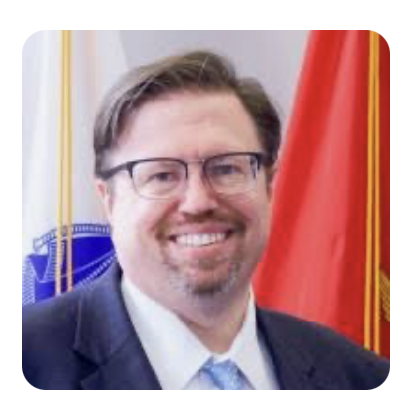
DCUC said it agrees that housing affordability has become a defining challenge to financial stability, workforce readiness, and quality of life. In the letter, DCUC said it sought to highlight how housing undersupply and rising costs disproportionately strain military families, who often relocate every two to three years and rely heavily on private housing markets near installations.
Points Made
Among the points made by DCUC in its letter: 77% of military families pay more than $200 per month out of pocket beyond their housing allowance, eroding savings and financial resilience over time.
“Improving affordability requires expanding housing supply and modernizing the systems that support housing production, financing, and access,” said Jason Stverak, DCUC chief advocacy officer, in a statement.
Support for Other Provisions
DCUC also strongly endorsed Title VI of the bill, Strengthening Community Banks’ Role in Housing, and Sections 603–605, which modernize credit union supervision and governance in a risk-based manner.
“These provisions would reduce duplicative regulatory burdens while preserving safety and soundness, allowing credit unions to redirect resources toward lending, housing support, and member services,” Stverak said in a statement.
Call for Two Priorities
The Defense Council had urged House leaders to include two additional bipartisan priorities in anticipated House and Senate negotiations: modernization of the NCUA Central Liquidity Facility (CLF), consistent with S. 2545, and enactment of the Veterans Member Business Loan Act (VMBLA).
“Both measures would strengthen credit union resilience, expand responsible access to capital for veteran entrepreneurs, and support stronger local economies and housing markets, without new taxpayer costs,” said Stverak.