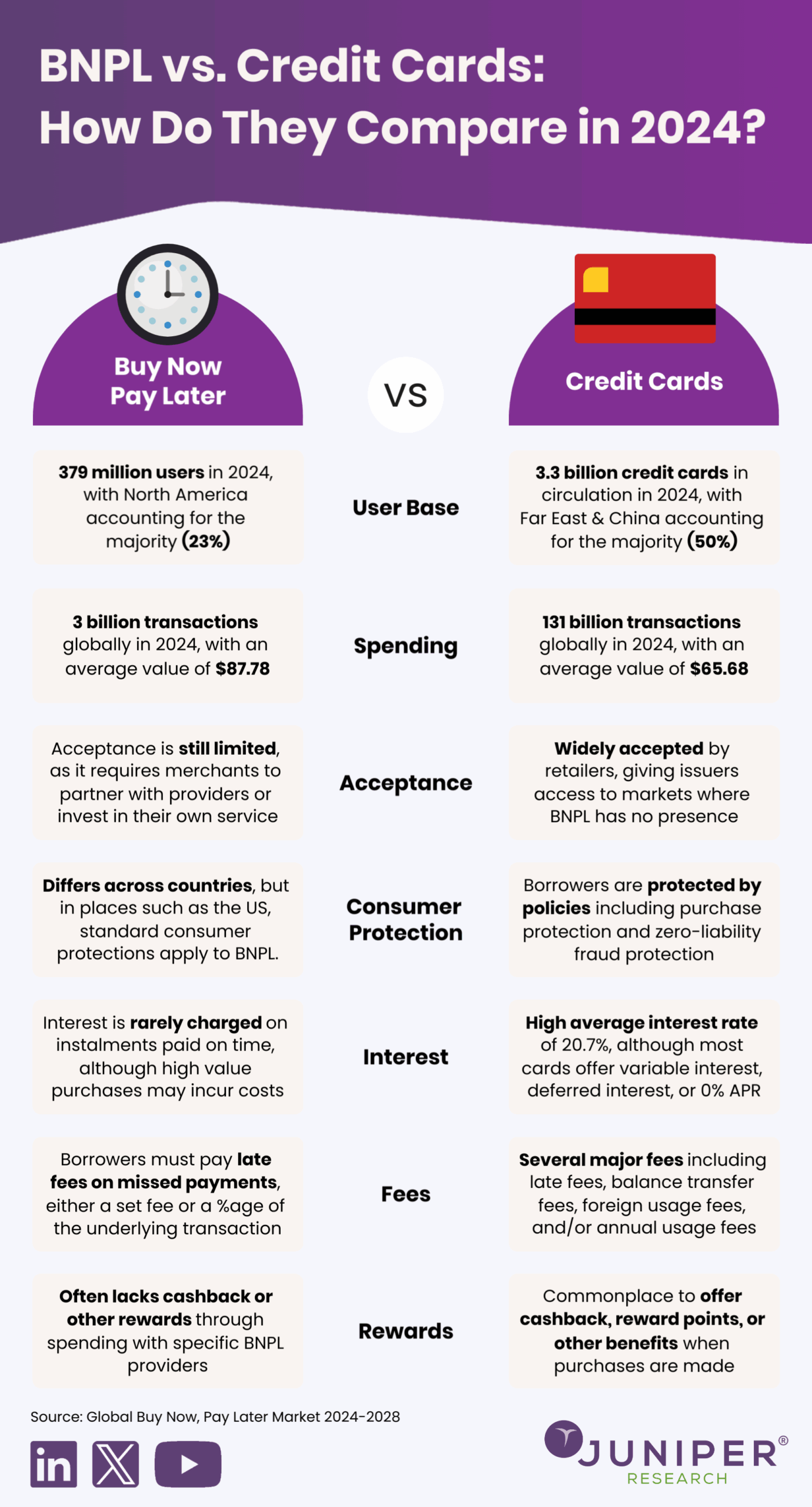
NEW YORK — It’s Cyber Monday—a day of both increased interchange income for credit unions and, increasingly, interchange many CUs may not realize is being lost as a growing number of consumers not only use non-CU cards for purchases but also turn more and more to buy now, pay later (BNPL) financing.
Credit cards are expected to dominate Cyber Monday spending in 2025, but BNPL plans are projected to account for a growing share of online purchases as budget-stretched consumers spread out holiday costs.
Some credit unions have introduced their own BNPL financing options, but their numbers remain limited.
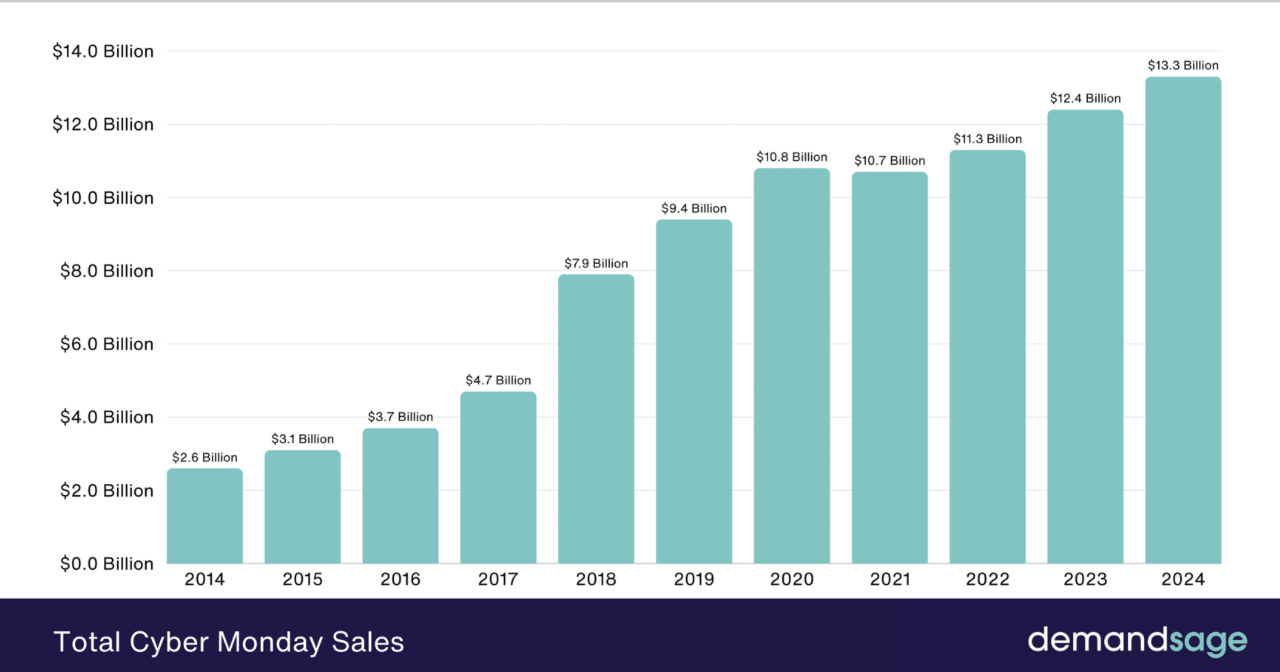
Industry forecasts suggest Cyber Monday sales could reach about $14 billion, with BNPL transactions contributing roughly $1 billion to $1.1 billion, according to projections from Capital One Shopping and other retail-tracking analyses. That would give BNPL an estimated 7% to 10% share of Cyber Monday online spending — a notable increase from pre-pandemic levels, when the payment method represented only a fraction of holiday sales.
Most of the remaining spending, roughly $13 billion, is expected to flow through traditional payment methods. Analysts say credit cards will capture the bulk of that activity, continuing their role as the preferred way for shoppers to manage holiday budgets, earn rewards and bridge cash-flow gaps.
BNPL Surges Across the Four-Day Shopping Weekend
The growing Cyber Monday adoption reflects a broader BNPL surge throughout the Black Friday–Cyber Monday (BFCM) weekend. One recent forecast expects more than $20 billion in BFCM purchases to be financed through BNPL this year — roughly one-quarter of all spending across the four-day period. Total U.S. BFCM spending is projected at $80 billion, according to several recent retail forecasts reviewed by the CU Daily.
Market analysts attribute the shift to consumers navigating tight budgets, high revolving-credit balances and shifting interest-rate expectations. BNPL plans — which typically offer installment payments with no interest when paid on time — remain especially appealing to younger shoppers and lower-income households.

Credit Cards Still Lead, but Pressure Is Building
While credit cards continue to account for the majority of spending, holiday surveys show that 64% of shoppers expect to rely on either credit cards or BNPL to manage seasonal purchases, “underscoring how central financing has become to holiday budgets,” analysts are saying,
Those same financial analysts say credit cards maintain an advantage due to widespread acceptance and strong reward programs, but BNPL’s rapid growth is creating competitive pressure, particularly in e-commerce. Retailers see BNPL as a conversion booster, and, as the CU Daily has reported, consumers increasingly treat installment plans as a budgeting tool rather than a niche payment method.
A Tight Holiday Budget Shapes Payment Choices
Forecasts for the 2025 holiday season indicate that this year’s rising dependence on both credit cards and BNPL follows months of mixed consumer-confidence signals. While spending remains resilient heading into the holidays, surveys show many households are feeling squeezed by higher prices and stagnant wage growth — conditions that historically push shoppers toward short-term financing options.
The Growth of BNPL
BNPL revenue across the full 2024 holiday season reached $18.2 billion, according to Reuters, a 9.6% increase year-over-year (YoY), reinforcing how quickly flexible payments have become part of Americans’ end-of-year financial planning.
“U.S. shoppers pushed nearly $1 billion in Cyber Monday purchases through BNPL services in 2024, up from $940M in 2023 and $658 million in 2022,” according to Adobe.
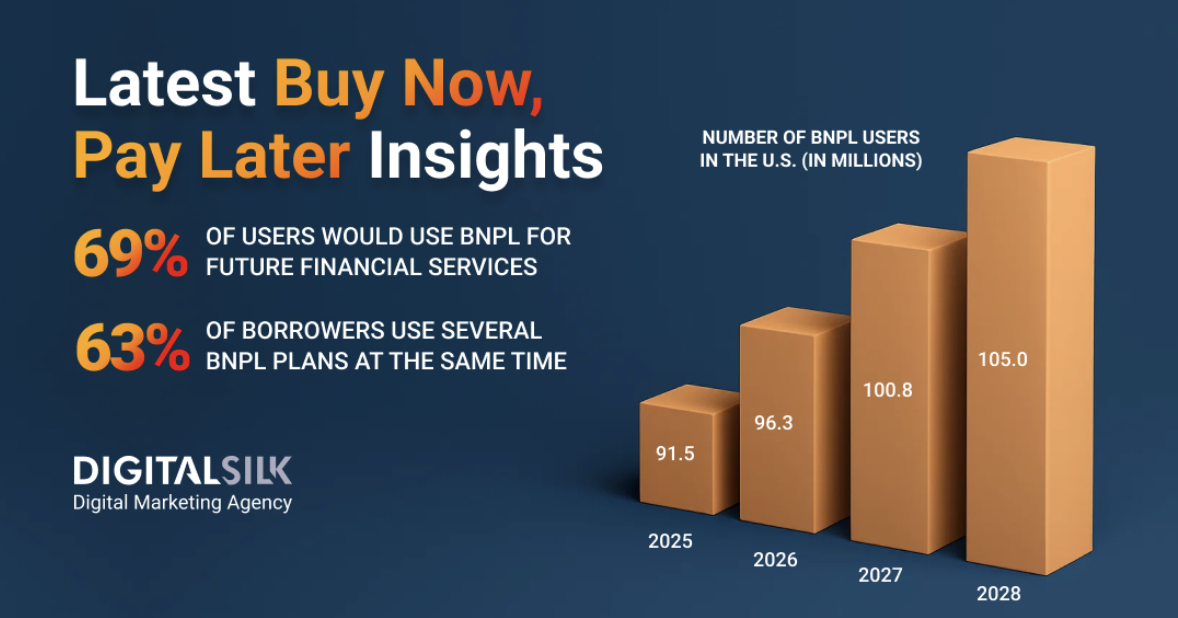
“With up to 6% of all U.S. eCommerce spending now going through BNPL, retailers cannot afford to ignore it. Consumers are now spending almost $2,000 a year on BNPL, based on U.S. user volume and annual market value, showing how deeply these plans have woven into everyday purchasing,” Digital Silk said in its analysis.
Digital Silk’s analysis reveals that people now see BNPL as more than just a simple shopping convenience. It’s become a financial lifeline for many, especially during the holiday season when budgets can get tight.
What Are Your Employees Doing Today?
For credit unions wondering about employee productivity today, the data show that consumers spent $13.3 billion during Cyber Monday in 2024.
- An average American adult spends $206.52 during Cyber Monday.
- 64.4 million US customers shopped during Cyber Monday week 2024.
- $991.2 million worth of sales came through BNPL transactions.
- The sales of toys grew by 680% compared to an average day.