ST. LOUIS–Late-stage mortgage delinquencies climbed sharply at the end of last year, in large part due to high housing costs, even as 2026 has gotten underway with some easing of home prices.
Mortgages that were at least 90 days past due rose 18.6% in December from a year earlier, according to an analysis by VantageScore cited by CNBC. While the share of mortgages in that category remains small, at about 0.2% of all home loans, the increase is occurring faster than delinquencies tied to other types of consumer credit, including auto loans and credit cards.
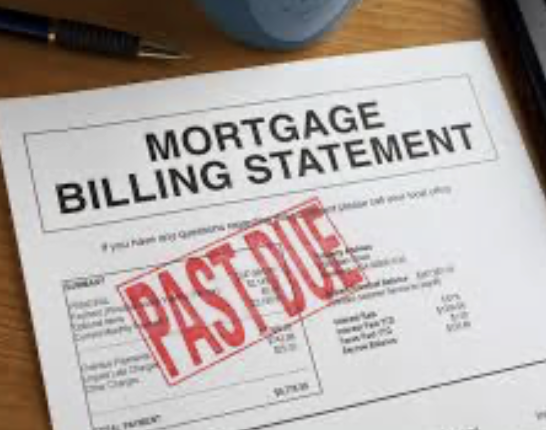
Rikard Bandebo, VantageScore’s chief strategy officer and chief economist, said in a statement that the trend bears watching even though delinquency levels remain far below those seen during the housing crisis more than a decade ago.
Considerably Lower, But Concerning
“This is a considerably lower delinquency rate,” Bandebo said, referring to the 2008–2010 period. “But it’s still a concerning sign that delinquencies are increasing.”
Data from the Federal Reserve Bank of St. Louis show that mortgage delinquencies of all stages totaled 1.78% of outstanding home loans in the third quarter, up slightly from a year earlier. At the peak of the financial crisis in early 2010, that figure stood at 11.49%, noted CNBC.
Americans owed about $13.07 trillion on roughly 86.7 million mortgages as of the third quarter, according to an analysis by LendingTree using data from the Federal Reserve Bank of New York. Based on those figures, roughly 1.5 million mortgages may currently be delinquent, the report suggested.
Average Score Declines
The recent increase helped pull the average VantageScore credit score down to 700 in December, a one-point drop from November and two points lower than a year earlier, the company said. The median sale price of a single-family home was $409,500 in December, according to the National Association of Realtors. While down from a mid-2025 peak, prices remain far above pre-pandemic levels. From early 2020 through late 2025, national home prices climbed more than 54%, based on the S&P Case-Shiller home price index.