BOSTON— Consumers increasingly are choosing among a range of “pay later” financing options based on specific financial goals rather than relying on a single method, according to new researchfrom PYMNTS Intelligence.
A report released by PYMNTS Intelligence found that 31% of U.S. consumers now use credit card installment plans, compared with 12% who use buy now, pay later (BNPL) services — nearly a three-to-one advantage for installment plans.
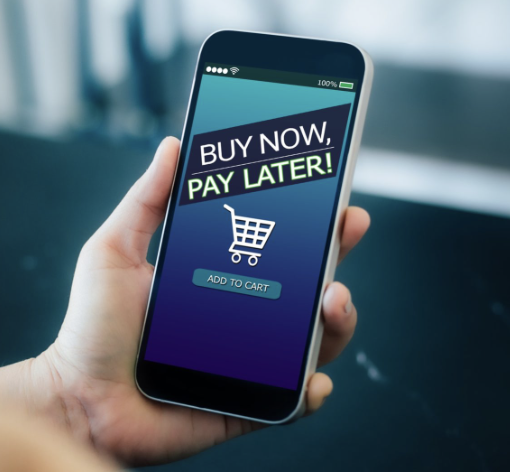
The findings are detailed in the report, “Speed vs. Strategy: How Consumers Choose Between BNPL and Card Installments,” which draws on a survey of 2,980 U.S. adults conducted between Jan. 14 and Jan. 29, 2026.
Researchers say the data suggests the pay-later market has entered a new phase in which consumers assign different roles to different payment tools rather than viewing them as interchangeable, PYMNTS Intelligence reported.
Primary Reasons for Use
According to the report, BNPL services are primarily used for speed and instant approval at checkout, while credit card installment plans are more often used for structured borrowing and managing credit. Traditional credit cards, meanwhile, are used for broader financial needs such as liquidity, rewards and avoiding interest charges.
“Consumers aren’t just choosing a Pay Later option,” PYMNTS Intelligence said in the report. “They’re selecting the precise payment method that fits their immediate financial goal at the time of purchase.”
Across most demographic groups — including generations, income levels and financial situations — installment plans maintained a significant lead over BNPL usage, the report found. Even among lower-income households, installment plans were used more frequently than BNPL services, PYMNTS added.
‘Becoming Embedded’
Researchers said the data suggests installment plans are becoming embedded across the broader consumer credit market, while BNPL remains more concentrated in specific use cases.
Store-branded credit cards offering installment plans occupy a unique position in the market, according to PYMNTS Intelligence. The report found that consumers cite both speed and credit management as nearly equal reasons for using store card installment plans, allowing them to compete directly with BNPL options at checkout while also serving longer-term credit management needs.
Contrast With General Purpose Cards
PYMNTS noted that by contrast, installment plans tied to general-purpose credit cards are used primarily as tools for managing credit limits and structuring borrowing rather than for quick checkout approvals.
Financial stress also influences how consumers use these payment options, the report said. When consumers face financial pressure, BNPL services often take on an expanded role, serving not only as a fast checkout option but also as a short-term financial bridge to address liquidity needs.

Installment plans, however, tend to maintain the same role regardless of financial circumstances, with consumers consistently using them as tools for managing credit and structuring payments.
Gen Z Has Distinct Pattern
The report also found that younger consumers, particularly those in Generation Z, tend to use different pay-later tools for distinct purposes rather than relying on a single option.
Among Gen Z consumers, 55% cited speed and fast approval as the primary reason for using BNPL services, well ahead of other motivations such as credit management or liquidity, according to the survey.
At the same time, younger consumers were more likely than other groups to use credit card installment plans to manage their credit limits and structure payments, reinforcing the role of installment plans as a budgeting and credit management tool.
Reshaping Market
Overall, the report concludes that consumer behavior is reshaping the pay-later market into a more segmented system in which each product serves a different financial function.
“The market has already segmented by financial intent,” PYMNTS Intelligence said, adding that the competitive advantage for providers increasingly depends on how well their products align with the specific roles consumers assign to each payment method.
For the full report, go here.