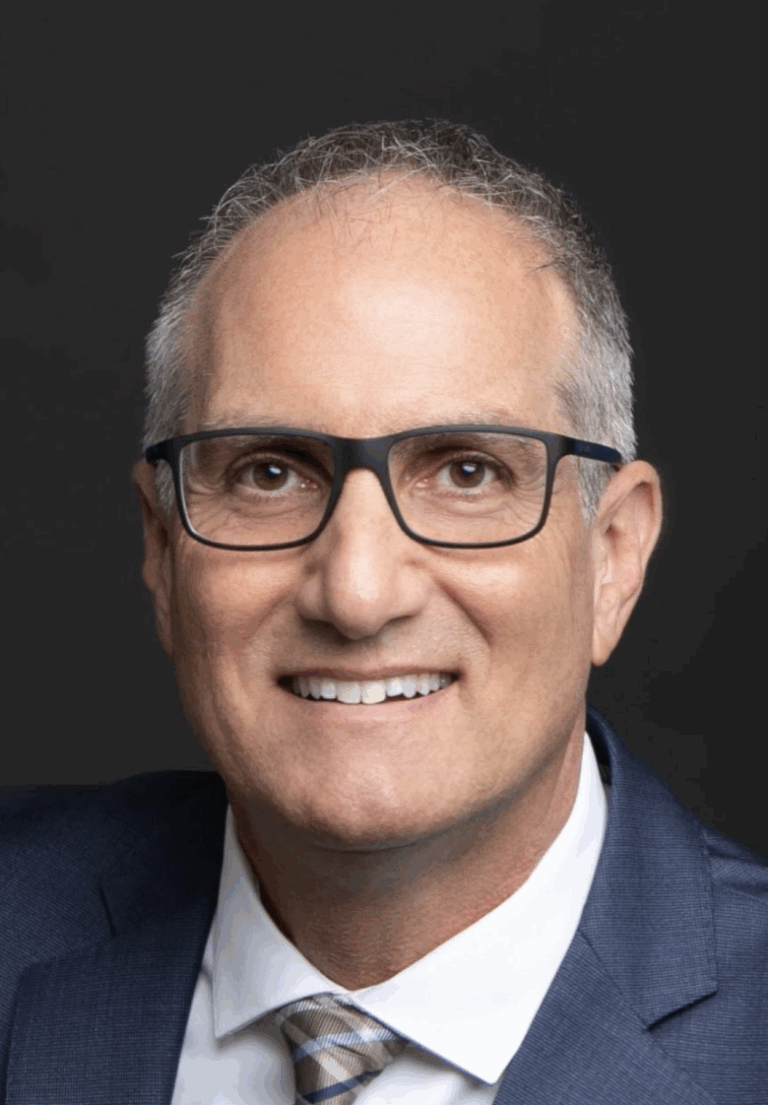
By David Seibert
When boards review risk reports the discussion often centers on credit, liquidity, or cybersecurity. Those areas are important, but the most fundamental risks often come from people—leadership, culture, and capacity. The human side of risk can determine whether a strategy succeeds or stalls.
Why People Risk Matters
Every strategy depends on people to carry it out. If skills are missing, if morale fades, or if leadership turnover disrupts continuity, even the best plan can falter. Human-related risks tend to build quietly, without the visibility of financial ratios. Yet they can have lasting impact on performance, reputation, and member experience.
Credit unions operate in an environment that demands constant change. New technology, remote work, and rising member expectations require agility. These pressures can lead to burnout, talent shortages, and succession gaps. Each represents a different form of people risk that boards should understand.
Burnout and Capacity
Burnout is more than fatigue. It can signal that workloads are unsustainable or that change is moving faster than the organization’s capacity to absorb it. For management teams, chronic stress can erode decision quality and collaboration. Boards can help by monitoring signs of strain—staff turnover, unfilled positions, and survey feedback—and by asking whether priorities are realistic given available resources.
A useful question is, “Do we have the capacity to do this well, or are we stretching too thin?” Addressing capacity risk is not about slowing progress. It is about ensuring that growth and innovation are supported by the people who must deliver them.
Talent and Skill Gaps
The shift toward data analytics, digital services, and cybersecurity has increased competition for specialized skills. Smaller credit unions, in particular, face challenges in attracting and retaining technical talent. Boards should ask management how they are planning for these gaps: through partnerships, outsourcing, training, or revised job structures.
Understanding the organization’s talent pipeline is as important as understanding its loan pipeline. Both shape future sustainability.
Succession Risk
Leadership continuity is another critical form of people risk. A well-managed succession plan covers more than the CEO role. It considers key executive positions and even the board itself. The board’s role is to ensure that the credit union has identified potential successors, developed them through meaningful opportunities, and tested transition plans before they are needed.
Succession discussions can feel uncomfortable, but they are essential to stability. A thoughtful plan signals to members, employees, and regulators that leadership transitions will not disrupt the mission.
The Board’s Role
The board does not manage people directly, but it sets expectations for culture and oversight. Directors can:
- Ask for regular reporting on staffing levels, turnover trends, and engagement indicators.
- Include human-capital risk in the enterprise risk framework.
- Discuss leadership development and succession annually.
- Model healthy governance behavior by managing their own renewal and education needs.
Simple questions can open valuable insight:
- What are our biggest people-related vulnerabilities?
- Where might we lack backup if a key person left?
- What signs would tell us that culture or morale are declining?
Bringing It Together
Financial capital can be rebuilt. Human capital takes years to develop. Viewing people risk as a core strategic concern helps boards make better decisions about priorities, timelines, and investments.
By recognizing burnout, talent shortages, and succession gaps as true risk factors, boards can protect the credit union’s long-term effectiveness and ensure its mission endures through change.
The most important assets on the balance sheet never appear there by name. They walk in the door every morning.
David Seibert is Strategy, Risk, and Assurance Partner with Rochdale.