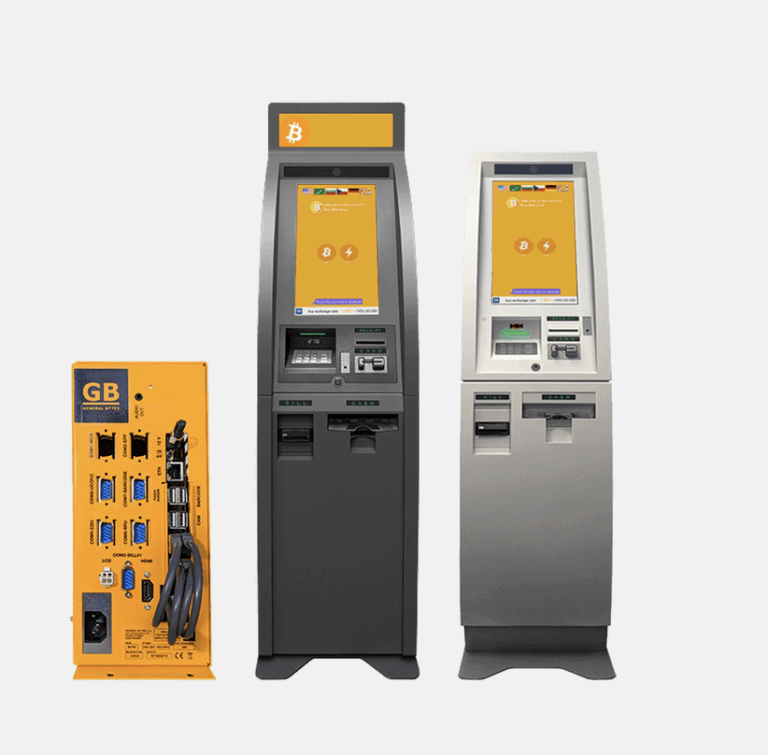
ATLANTA—Crooks are increasingly tricking vulnerable consumers that they are in legal trouble or their financial accounts need to be “fixed” and that they need to feed cash into crypto ATMs to resolve the issue—with police often unable to get some victims to stop surrendering their savings.
Numerous media outlets—including an extensive report by CNN that can be found here—have documented the growing use of the crypto ATMs that can be found in many convenience stores and other outlets as a means to get money that can be all but impossible to trace or return to victims.
In one segment of the CNN report, police body cam footage shows a cop attempting to physically stop one woman from pouring her money into a crypto ATM insisting she’s not being scammed and the call is “legitimate.”
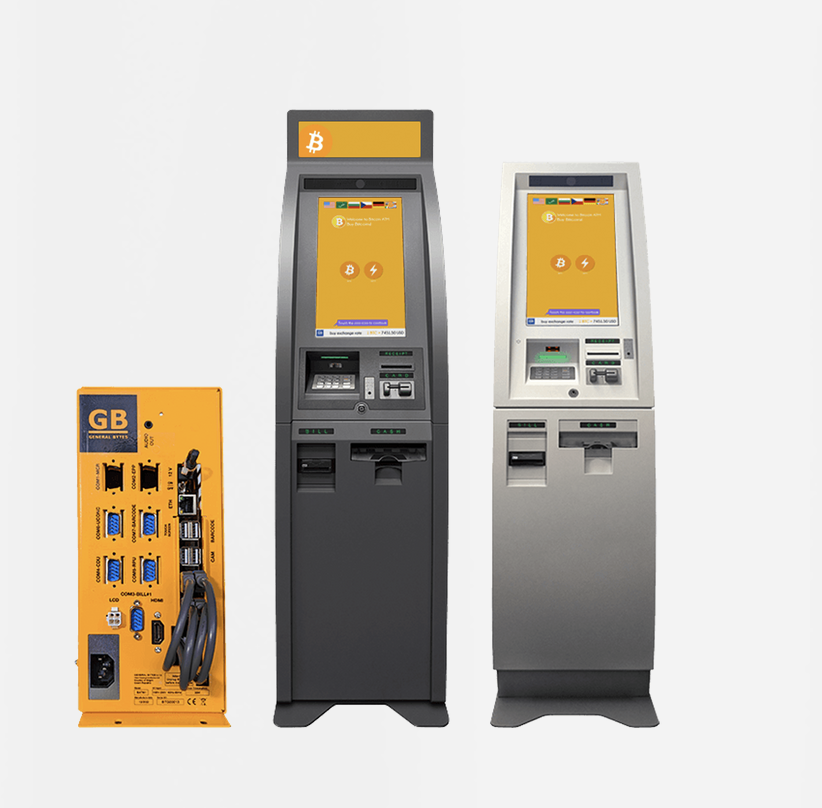
“And what truly frustrates investigators is that US companies, which own and operate crypto ATMs around the country, profit from the fraud while doing too little to help stop it,” CNN reported. “Prosecutors have likened the machines to a ‘getaway vehicle’ exploited by thieves to quickly escape with the money.”
More Than 700 Cases Investigated
CNN said its investigation included a review of more than 700 criminal cases and complaints and found that crypto ATM companies make money by often marking up the price of cryptocurrency by 20% to 30% or more on transactions, including the illicit ones.
“Despite public claims, they often fail to refund money to victims and aggressively fight police to claw back scam money seized from machines,” the report stated. “The companies have also largely failed to adopt measures that could stifle scammers, such as strict transaction limits, and have heavily lobbied state legislatures to neuter laws that would force them to better protect victims. Some states have passed or proposed laws that closely match model legislation with fewer protections pushed by industry lobbyists.”
‘Conduits for Fraud’
Added New Jersey State Sen. Paul Moriarty, who sponsored a bill to ban crypto ATMs in the state, “These machines are nothing more than conduits for fraud and criminal activity. Period. There’s no other use for them, because if you wanted to buy cryptocurrency you could buy it somewhere else for less.”
CNN said its analysis has found the crypto crime story is increasingly common around the nation, as Americans, often retirees, lost around $240 million to crypto ATM scams in the first six months of this year, according to the FBI – about double the pace of similar scams last year.
One former senior staffer at a crypto ATM company who spoke to CNN anonymously for fear of reprisal, described the general philosophy at his former employer as, “it’s not my problem if someone is stupid and gets scammed.”
Another former staffer told CNN, “If there was a way to prevent 100% of scams there is no
The crypto ATM way this industry would survive.”
Allegations Disputed
companies responding by telling CNN they strongly disputed allegations they profit from scams and listed various efforts to protect consumers, such as multiple warnings about scams that are shown whenever their machines are used.

For example, Bitcoin Depot pointed out that users agree to terms of service before transferring money, including a promise to only send money to their own Bitcoin accounts and an acknowledgement of company fees, CNN said.
“Law enforcement officials also say that victims under great duress rarely read terms of service or on-screen warnings as scammers guide them around the company protections,” CNN said. “The proliferation of crypto ATM scams has alarmed authorities. In recent months, the Secret Service has even visited shops where the ATMs are located to hand out paper warnings about scams, while the Treasury Department issued an alert to banks in August, urging vigilance against the fraud.”
‘Convoluted But Convincing’
CNN’s report included an interview with Shelby “Gus” Cason, who was told by a man on the phone he would be arrested if he didn’t quickly follow instructions. The told him a convoluted but convincing tale that involved incriminating information and his bank account in jeopardy.
“As a panicked Cason listened at home in Coggon, Iowa, the man directed him to withdraw $15,000 from his bank and then to drive to a liquor store, where he told him to deposit the money into a Bitcoin ATM.”
“I was under duress big time,” Cason, who was 69 at the time, told CNN, adding that he had recently suffered a stroke and wasn’t thinking clearly.
The full report can be viewed here.