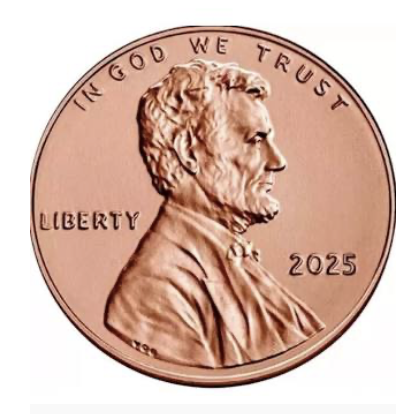
NEW YORK–it isn’t just credit unions dealing with issues related to the end of the penny, retailers are urging Congress to step in after the U.S. Treasury halted production, warning that a lack of clear guidance is creating costly complications at store checkouts.
According to a report by Chain Store Age, the Retail Industry Leaders Association is calling on lawmakers to address the issue when Congress returns to Washington next month.

As the CU Daily has been reporting, the issue stems from a decision earlier this year by the U.S. Treasury Department to stop minting new pennies, citing high costs and inefficiency. In 2024, it cost nearly 3.7 cents to produce a single one-cent coin, resulting in annual losses of more than $56 million for the U.S. Mint.
Uncertainty Created
While the Treasury has said ending penny production is expected to save taxpayers millions and streamline cash handling, retailers say the move has created uncertainty, according to Chain Store Age. RILA argues that Congress has not provided clear legal guidance on how retailers should handle cash transactions without pennies, particularly on rounding rules.
That uncertainty cost retailers millions of dollars during the holiday shopping season, when cash use typically rises, said Austen Jensen, RILA’s senior executive vice president of public affairs, in comments to Chain Store Age. He said retailers were effectively absorbing rounding costs in the absence of clear rules.
A recent RILA survey of 25 of the nation’s largest retailers found that nearly one-quarter reported more than 1,000 store locations without pennies. About two-thirds said they were rounding transactions in favor of customers when pennies were unavailable, a practice that can add up to significant losses over time.
300 Billion Pennies in Circulation
The Treasury said last month that although it has stopped producing pennies, the coin remains legal tender and will retain its value indefinitely. An estimated 300 billion pennies remain in circulation, far more than needed for everyday commerce, the department said.