SPOKANE, Wash. — A rise in cryptocurrency-related fraud is driving a push by police and lawmakers to restrict or ban crypto ATMs, according to a new report.
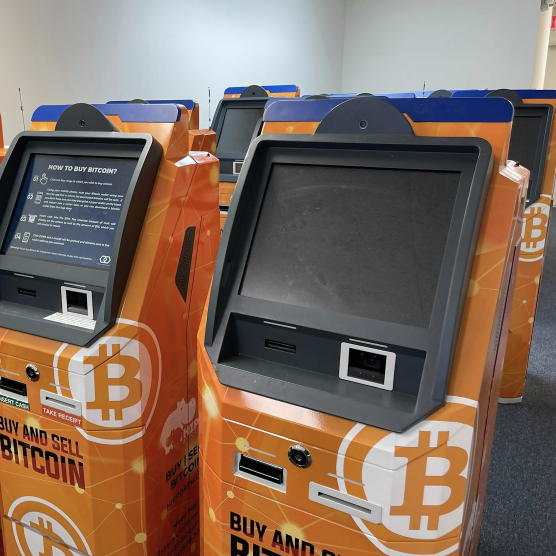
The effort is being led in part by officials in Spokane, Wash., where police began noticing a sharp increase in crypto-related scams in 2023, according to CNBC. Detective Tim Schwering told the news network victims were being directed by scammers to deposit cash into cryptocurrency kiosks, with the money quickly routed overseas.
“Cases started flowing my way where people were getting ripped off by cryptocurrency machines,” Schwering told CNBC. He said the funds were traced to destinations including China, Russia and Nigeria, and were nearly impossible to recover.
Life Savings, and Lives, Lost
Schwering said some victims lost their life savings, including one person who lost $900,000. He added that two victims later took their own lives.
With law enforcement often unable to pursue suspects based overseas, Spokane officials turned to regulating the machines themselves. The city enacted a ban on crypto ATMs in June, making it one of the first municipalities in the U.S. to do so.
City Council member Paul Dillon, who championed the measure, told CNBC he hopes Washington state lawmakers will adopt similar restrictions to prevent operators from relocating machines to nearby communities.
Other States Mull Oversight
According to CNBC, other states are also moving to tighten oversight. Arizona, Arkansas and Vermont are strengthening regulations or considering new limits on crypto ATMs, while cities such as St. Paul, Minn., are weighing bans modeled on Spokane’s approach.
Industry Responds
Industry representatives argue that outright bans will not stop fraud and could harm legitimate users. Alex Davis, founder and CEO of blockchain company Mavryk, told CNBC that while restrictions may reduce some scams, they also limit consumer access.
“Eliminating them may reduce certain fraud vectors, but it also removes one of the last public-access tools for financial privacy and cash-to-crypto conversion,” Davis told the news outlet.
What the Data Show
CNBC cited data released by the FBI that scams involving bitcoin ATMs cost Americans $333.5 million between January and the end of November 2025, up from about $250 million during the same period a year earlier.
Fraudulent transactions using cryptocurrency kiosks have shown a “clear and constant rise,” an FBI spokesperson told ABC News in December.
The FBI says bitcoin ATMs have become attractive to scammers because the machines — now located at roughly 45,000 sites nationwide — allow users to insert cash and send it directly to digital wallets, creating transactions that are difficult, if not impossible, to reverse, CNBC reported.