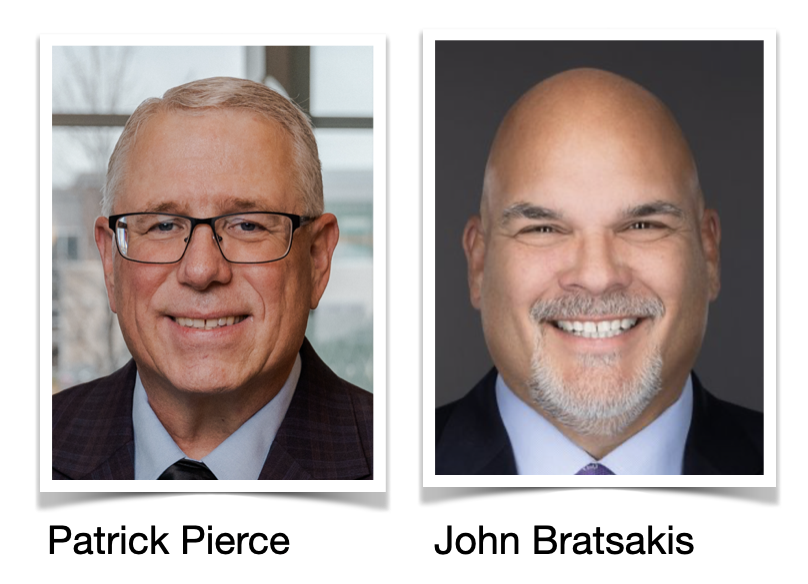
By Patrick Pierce and John Bratsakis
Looking back on the past year, the credit union movement has a great deal to be proud of. When credit unions faced a serious threat to their tax status, the credit union system stood up for millions of Americans who rely on affordable financial services. When individuals and families were caught in the longest government shutdown in history, credit unions stepped in to help thousands experiencing financial hardship. Every day, credit unions delivered on their mission and demonstrated what makes them different.
From an advocacy standpoint, these moments matter. They show not only what credit unions do, but how the movement works when it comes together. Individual credit unions, the League System, and America’s Credit Unions each play a role, and when those efforts are aligned, the result is powerful.
Not Just Ideals
The cooperative principles that guide credit unions—member ownership, democratic participation, and commitment to community—aren’t just ideals. They shape how decisions are made and how the system responds when it counts. When we stay grounded in those principles, we build trust, strengthen collaboration, and make progress that members can see and feel. That shared foundation allows the credit union system to move with clarity and speed, even as the policy environment grows more complex, and the financial sector continues to change.
“Stronger together” isn’t a slogan—it’s how the system operates. Each League and each credit union is unique, with distinct challenges and member needs. But the mission is the same. And when we speak with one voice, the impact is far greater. Policymakers respond to clear, consistent, and coordinated engagement. When priorities and messages are aligned, credit unions are better positioned to deliver results for the 144 million Americans they serve.
Broad Representation
That alignment comes from broad representation, open dialogue, and a willingness to have honest, sometimes difficult conversations that sharpen the strategy and ensure it’s effective.
During the tax fight, nearly 900,000 messages were sent to members of Congress. Many included personal stories about how credit unions support financial well-being in communities. Credit union leaders and advocates held more than 1,000 meetings with lawmakers and senior administration officials. Because the system was unified, the message was clear: taxing credit unions would hurt the very people and communities they are elected to serve.

That effort was strengthened by relationships built over decades. State leagues bring deep, trusted connections with congressional leadership that benefit the entire system. Outreach was tailored to each lawmaker, reflecting their priorities, concerns, and past positions. That local knowledge, paired with national coordination, made the difference.
How we work together matters. Collaboration is at our core. The League System is a foundational component of the credit union movement. State leagues exist to ensure local voices are heard and local needs are reflected in policy. America’s Credit Unions helps bring those voices together at the national level. That structure is intentional, and it works because cooperation is built into it.
Shaped by Direct Input
Boards, committees, and feedback channels at both the league and national levels ensure that policy positions are shaped by direct input from credit unions. Representation is deliberate. CEOs from institutions of all sizes and from every region serve in leadership roles, ensuring no single perspective dominates and every voice has a place.
That broad representation is matched with focused expertise. Committees, task forces, and working groups meet regularly to address the issues credit unions care about most—from grassroots advocacy and fraud prevention to the needs of small credit unions. America’s Credit Unions’ Advocacy Policy Committee includes members from every state, and close integration with the league system ensures decisions reflect a truly national view. Through regular outreach and open dialogue, feedback from credit unions on the front lines is gathered and elevated to strengthen collective efforts.
A Clear Example
The government shutdown offered a clear example of what this model makes possible. Credit unions responded quickly, providing financial lifelines to members facing uncertainty. Across the country, millions of dollars were delivered when people needed help most. In the Maryland–D.C. region alone, credit unions provided more than $208 million in assistance to over 11,000 members.
Because of strong, ongoing coordination, leagues and America’s Credit Unions were able to gather these stories and share them directly with policymakers in real time. Lawmakers referenced this impact in their own remarks during the shutdown, and those examples helped drive meaningful advocacy results.
One of the most serious risks during the shutdown was the future of the Community Development Financial Institutions Fund. As the administration considered permanent cuts, advocates across the credit union system moved quickly to highlight the role CDFI credit unions play in underserved communities. That coordinated effort paid off. More than 100 Republican lawmakers spoke up in support of the program, and when the shutdown ended, the planned reduction in force at the fund was reversed.
Staying Aligned
At our most recent annual meeting, the movement reaffirmed what makes it effective: staying aligned, amplifying shared priorities, and advancing together.
Alignment means working as a true coalition, with leagues and America’s Credit Unions operating strategically and in sync. Amplification means ensuring credit union voices are heard everywhere policy decisions are made—from statehouses to Capitol Hill. Advancement means pushing the movement forward by drawing on the full range of expertise, experience, and perspective across the system.
The challenges ahead are real. Regulatory expectations are shifting. Competition is intensifying. Member needs continue to grow. But the credit union system is built for moments like this. When it stays aligned, speaks clearly, and invests in strong partnerships, it doesn’t just protect what exists—it creates new opportunities.
That’s how credit unions deliver real wins for members, practical solutions for policymakers, and lasting value for communities.
One voice. One movement. Greater impact.
That’s how we move forward—together.
Patrick Pierce is president and CEO of City & County Credit Union in St. Paul, Minn., and board chair of America’s Credit Unions. John Bratsakis is president and CEO of the Maryland and DC Credit Union Association and chair of the American Association of Credit Union Leagues.