CHICAGO–With synthetic identities now linked to a record number of newly opened accounts, U.S. lenders faced more than $3.3 billion in exposure for the year ending 2024, according to a new report from TransUnion.
“This alarming trend underscores the urgent need for financial institutions such as auto lenders, mortgage lenders and credit unions to harness all available data to detect and prevent synthetic identity fraud at the point of account creation,” TransUnion said in reporting its findings.
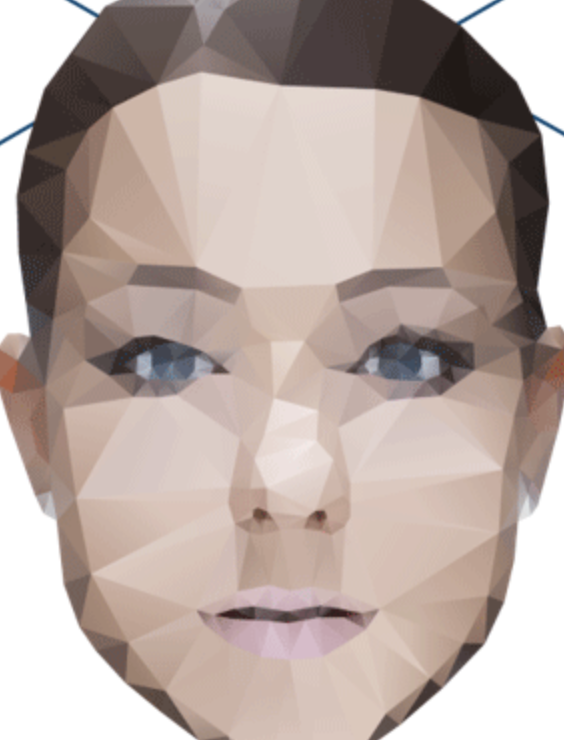
The company said its new research reveals that key traits and behavioral characteristics found in public data can play a critical role in identifying these deceptive identities before they pose a risk.
“Synthetic identities are carefully constructed using a blend of authentic and fabricated information—often incorporating stolen Social Security numbers, fictitious names, digital contact details and behavioral patterns that mimic legitimate consumer activity,” TransUnion stated. “These identities are engineered to appear credible and frequently bypass traditional identity verification systems, making them particularly difficult to detect using conventional methods.”
No Blueprint
According to TransUnion, there is no single blueprint for how criminals perpetrate synthetic identity fraud, which adds to its complexity.
“Increasingly, organizations face the challenge of distinguishing genuine customers from synthetic ones, especially when these false identities exhibit consistent, low-risk behavior that closely mimics that of real individuals,” TransUnion said.
To stay ahead of evolving threats, the company said organizations must leverage advanced detection tools capable of isolating and analyzing specific traits, behavioral patterns and characteristics that are frequently associated with synthetic identities.
‘Valuable Context’
“While the presence of living characteristics such as vehicle ownership, voter registration or familial connections is not a definitive solution to detecting synthetic identities, it represents an important piece of the broader identity puzzle,” said Steve Yin, senior vice president and global head of fraud at TransUnion. “These attributes alone cannot confirm authenticity, but when combined with credit header data, they offer valuable context that contributes to forming a clear picture of identity. By isolating and evaluating these elements, organizations can strengthen their ability to differentiate between real and synthetic identities with greater precision.”
TransUnion said there are a number of living characteristics that, when present, indicate an identity to be significantly more likely to be synthetic.

“For example, no known relatives and no motor vehicle registrations occur in 30-50% of all synthetic identities and increase the likelihood of being synthetic by up to 7x vs. legitimate identities,” the company said.
Additional Red Flags
It added that other top characteristics that raise red flags include missing voter and vehicle registrations or having no record of property ownership on file. Notably, every synthetic identity analyzed showed no open bankruptcies, making it a universal trait among them.
TransUnion said its Synthetic Fraud Model is designed to “proactively identify” a wide range of public data indicators, along with numerous other risk factors, to help uncover synthetic identities before they can cause financial harm.
“By analyzing these signals early in the customer journey, the model enables organizations to take preventive action with greater confidence and precision,” TransUnion said. “At the same time, the model enhances operational efficiency by reducing the need for manual reviews and minimizing customer friction. This allows lenders to streamline their processes while improving fraud detection rates—catching more fraudulent activity with greater accuracy and speed, and ultimately protecting both their customers and their bottom line.”
Additional Info
Additional information on combatting synthetic fraud can be found here.
For other information: TransUnion’s TruValidate Synthetic Fraud Model