WASHINGTON— The Federal Open Market Committee will open its two-day policy meeting today amid rising expectations that the Federal Reserve could soon deliver another interest rate cut — an ongoing shift that would ripple quickly through the financial system and pose both challenges and opportunities for credit unions.
Economists say cooling inflation, slowing job growth and signs of weakening consumer spending have strengthened the case for a rate reduction as early as this week. Futures markets on Monday were pricing in better-than-even odds of a quarter-point cut, though Fed officials have given no clear signal that a move is imminent.
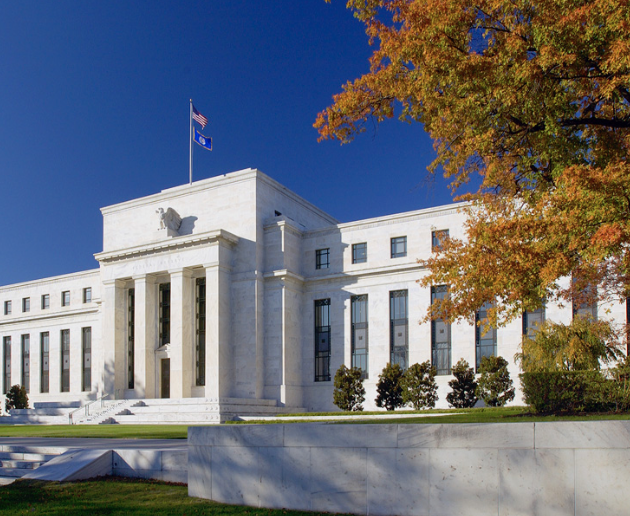
Some FOMC members have been wary of cutting rates, however pointing to the inflation numbers and the lack of data due to the government shutdown.
Another Turning Point
A rate cut would mark another turning point after nearly two years of restrictive policy that has pushed borrowing costs to their highest levels in decades. For credit unions, the change could ease margin pressure that has mounted as deposit costs climbed faster than loan yields — but it could also intensify competition for savers.
The Federal Reserve last cut rates on Oct. 29 by 25 basis points to a target range of 3.75%-4.00%, marking their third cut in 2025.
Lower rates would likely trim yields on credit-union investment portfolios and slow earnings on new loans, particularly mortgages and auto loans that had offered stronger returns during the high-rate environment. At the same time, it could encourage more members to refinance existing debt, reducing interest income but potentially improving household financial health.
‘Sticky’ Pricing
Retail deposit pricing — a major flash point for credit unions this year — may remain sticky, according to analysts. Many institutions had raised CD rates aggressively to retain and attract deposits as consumers chased higher returns. Some analysts expect credit unions to lag the Fed in reducing deposit rates to avoid outflows, even if loan yields fall more quickly.
The rate decision is also expected to influence asset-liability strategies heading into 2026. Many credit unions have extended loan durations during the elevated-rate period, increasing exposure to interest-rate risk. A pivot by the Fed could reshape balance-sheet planning, liquidity management and stress-testing assumptions.
Watching the Next Few Quarters
Fed Chair Jerome Powell is scheduled to hold a press conference Wednesday afternoon following the committee’s rate announcement.
The FOMC’s decision is expected at 2 p.m. ET Wednesday.