WASHINGTON—When it’s admittedly not a “very busy January” in Congress from a financial services perspective, where do credit union advocates in Washington focus their time and energy?
In the final half of 2025, the credit union agenda on Capitol Hill was full, with threats to the tax exemption, risks from the Credit Card Competition Act, and debate around the National Defense Authorization Act, among other issues.
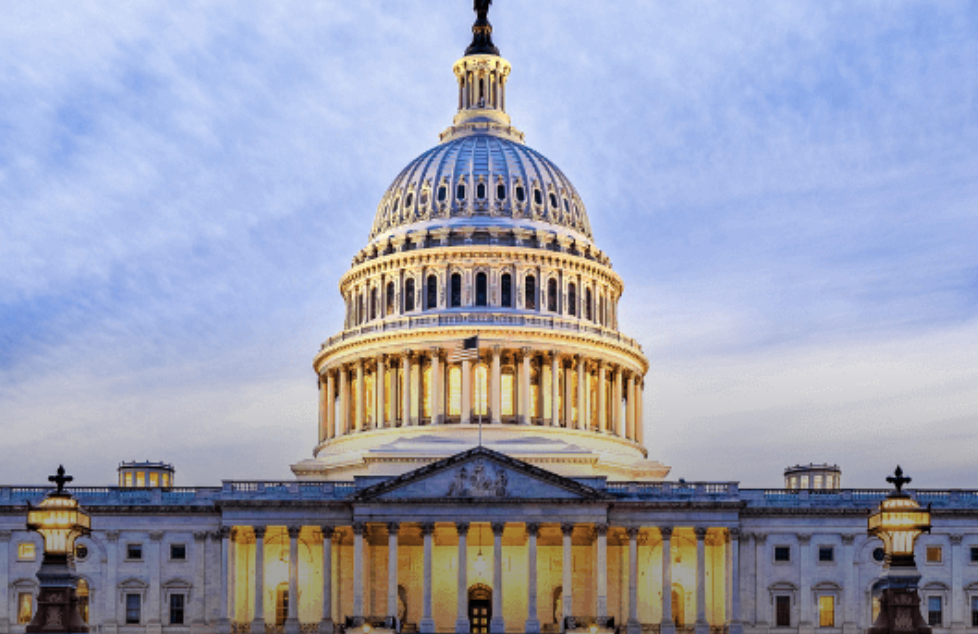
But now, with Congress back in session in 2026, attention is primarily on funding the government (see related story), extending or not extending Affordable Care Act provisions, the Trump administration’s actions in Venezuela, and other non-financial services issues.
“These are the windows where we spend a lot of time trying to be proactive,” said Greg Mesack, SVP-advocacy with America’s Credit Unions. “It’s nice when you can be on offense more than defense. A lot of that proactivity is focused on education about credit unions, the benefits of cooperative finance, and then trying to take that education and build it into a proactive legislative agenda—particularly around modernizing the Federal Credit Union Act.”
Act Hasn’t Changed Since FDR
Mesack noted the FCU Act has not been significantly updated since its passage in 1934 and contains a “number of things that are kind of anachronisms.”
Among those anachronisms, he said, are limits on loan maturities on nonmortgage loans to 15 years, which can affect products such as solar and green energy loans.
“We are trying to take this opportunity to go out and talk about ways that Congress can work with credit unions to pass laws that enable us to better serve credit union members, better serve their communities, and fill the role credit unions were created to fill in the first place,” Mesack said. “When we’re not under attack and there’s no real threat, that’s when you go out and build your champions and educate your champions.”
That effort is especially critical, Mesack said, during periods of high turnover in Congress.