CHICAGO — Identity-based schemes and stolen credit card fraud are driving the largest financial losses for U.S. consumers, even as overall suspected digital fraud rates decline, according to a new report from TransUnion.
The company’s H1 2026 Update to the Top Fraud Trends Report found that one in six U.S. consumers reported losing money to digital fraud over the past year, with a median loss of $2,307. Globally, 26% of consumers across 18 countries reported losses, with a lower median loss of $1,671, TransUnion said.
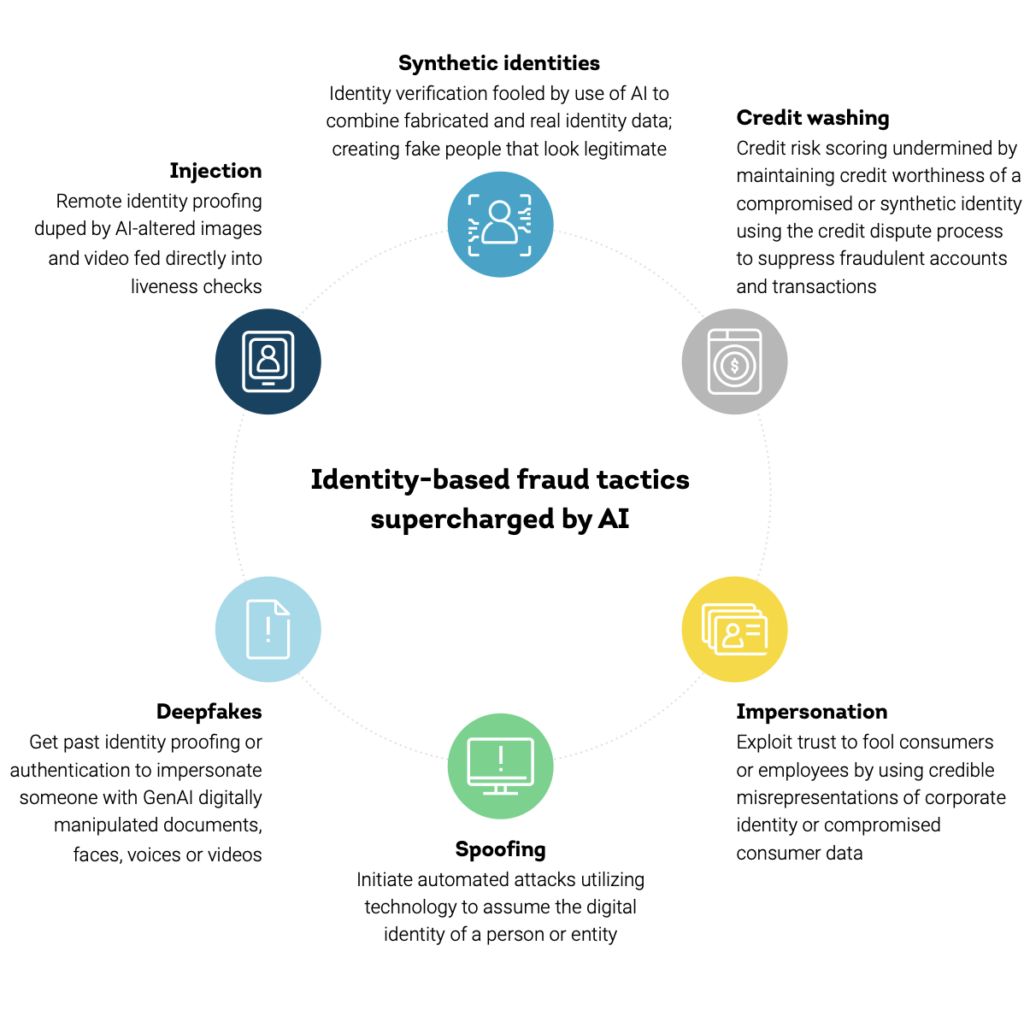
TransUnion attributed the growing financial impact to increasingly sophisticated fraud tactics, including those enabled by generative artificial intelligence, which it said is allowing criminals to target victims with greater speed and precision.
“Criminals are weaponizing both consumer trust and emerging technologies,” Naureen Ali, U.S. head of fraud at TransUnion, said in a statement.
Stolen Cards a Top Issue
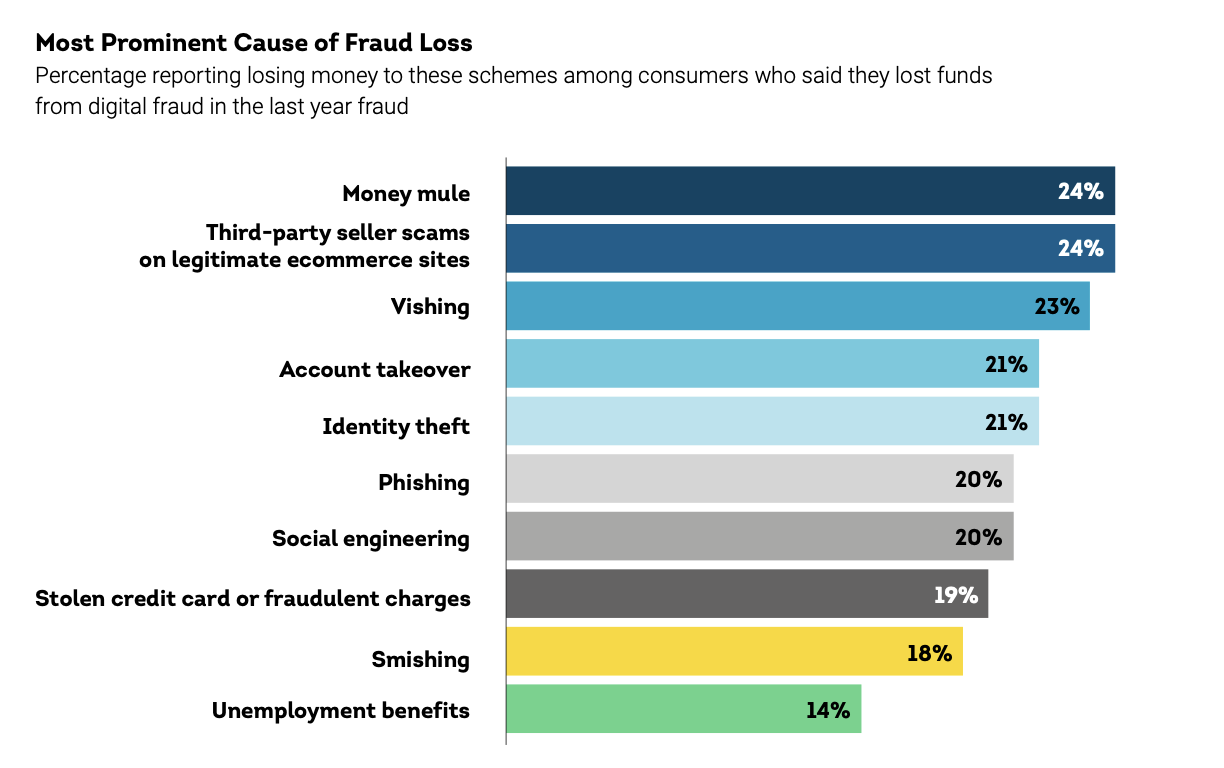
Among U.S. victims, 33% said stolen credit cards or fraudulent charges were the source of their losses, significantly higher than the 19% reported globally, according to TransUnion. Other leading causes included identity theft (29%), account takeover (27%) and third-party seller scams on legitimate e-commerce platforms (24%).
Younger consumers were particularly vulnerable. TransUnion reported that 38% of U.S. Gen Z consumers said they lost money to digital fraud, the highest rate among all age groups.
Despite these losses, TransUnion said suspected digital fraud rates tied to attempted transactions declined in 2025, both in the United States and globally. The company cautioned that the decline may reflect a shift in tactics rather than a reduction in fraud activity, as criminals increasingly focus on higher-value attacks.
“Fraudsters are moving upstream,” Ali said, noting that attackers are targeting vulnerabilities during account creation rather than at later stages.
Where Highest Levels of Fraud Are
Industry data in the report showed that sectors centered on social interaction and entertainment face the highest levels of fraud risk. The “communities” sector, including online dating and forums, saw a 7% increase in suspected fraud attempts, while gaming transactions continued to show elevated risk levels.
Margaret Poe, head of consumer credit education at TransUnion, urged consumers to take preventive steps, including regularly reviewing credit reports and considering credit freezes if they suspect fraud.
The report is based on data from TransUnion’s global intelligence network and consumer survey covering multiple countries and regions.