

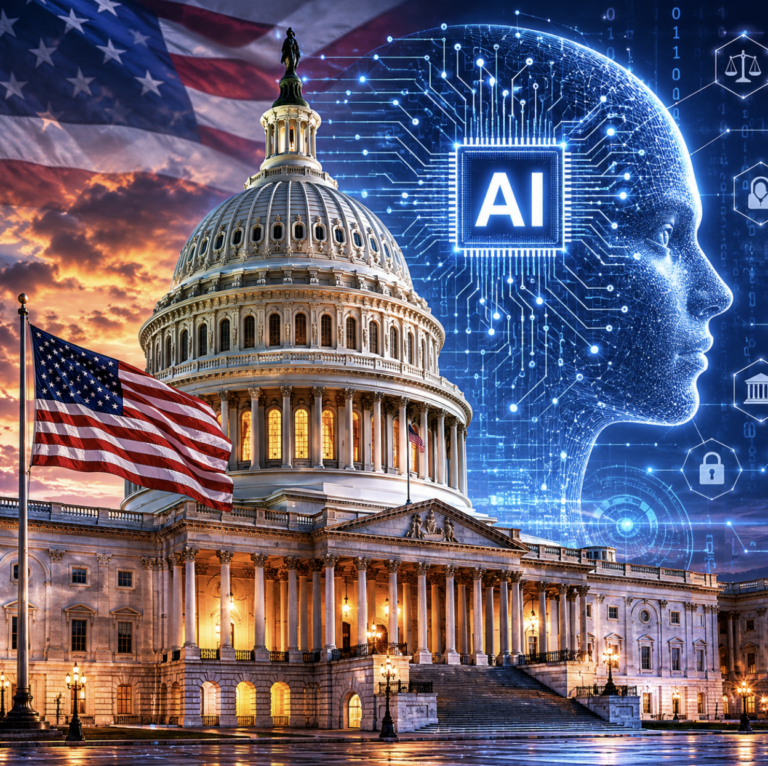
WASHINGTON — Two members of Congress have released a discussion draft of bipartisan legislation that would establish a federal framework for regulating artificial intelligence, arguing that a national approach is needed to address the rapidly evolving technology while preserving U.S. innovation.
Reps. Jay Obernolte (R-CA) and Lori Trahan (D-MA) announced the discussion draft of the Great American AI Act in a joint statement, saying they are seeking feedback from industry stakeholders, experts and the public before formally introducing the legislation.
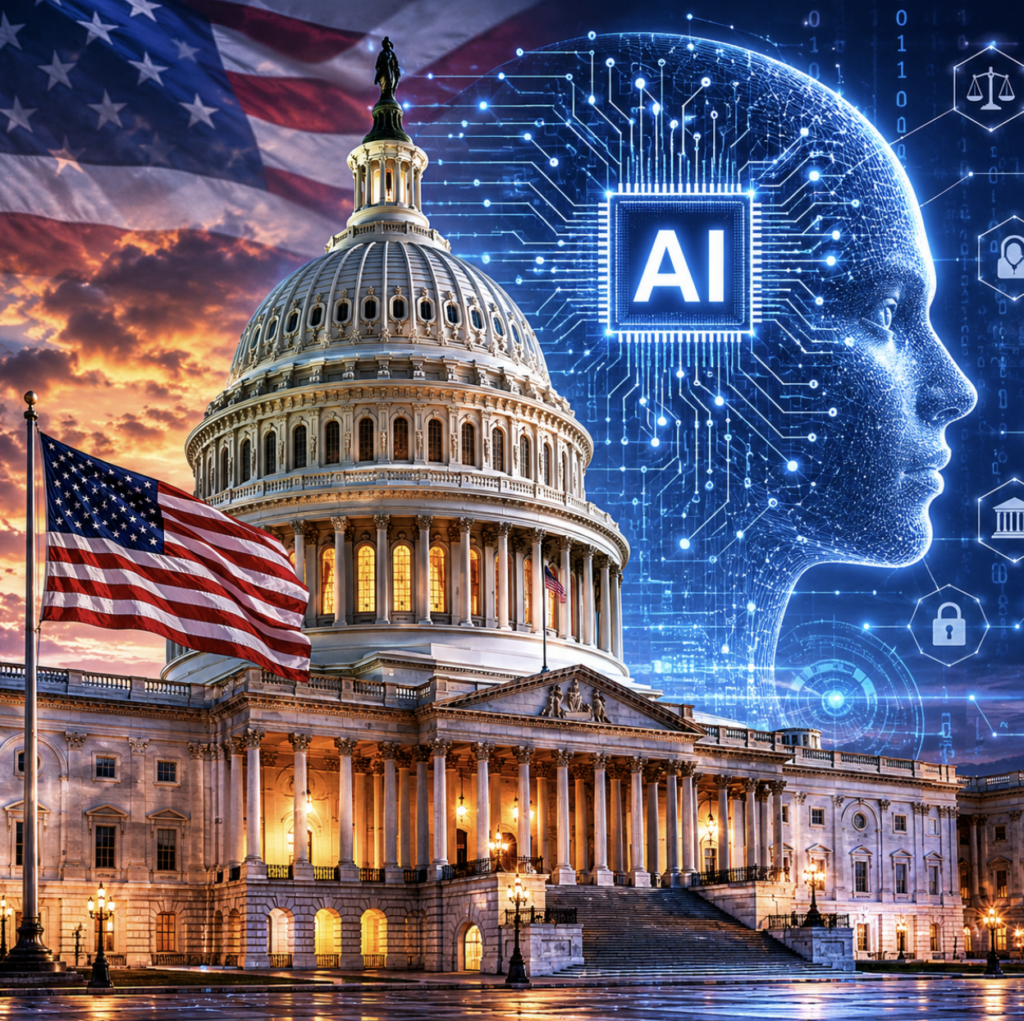
The proposed framework would create federal standards governing artificial intelligence development and deployment while temporarily limiting state-level regulation of AI models.
According to a section-by-section summary released by the lawmakers, the bill would preempt state and local laws regulating the development of AI models for three years. During that period, the U.S. comptroller general would be required to review federal laws and regulations affecting AI innovation and infrastructure and submit recommendations to Congress.
The Provisions
The draft legislation also includes provisions addressing:
- Transparency requirements for advanced AI systems
- Independent audits and assessments of frontier AI models.
- Whistleblower protections for employees who report AI-related concerns
- Measures aimed at deterring AI-enabled fraud
- Free speech protections
- Workforce education and training initiatives
- Labor market monitoring and worker protections
- Cybersecurity safeguards
- Federal research and development efforts
- International cooperation on AI governance.
In a statement released by their offices, Obernolte said Congress must act as artificial intelligence continues to advance rapidly.
‘Building a Framework’
“Artificial intelligence is advancing rapidly, which is why Congress must take a thoughtful and bipartisan approach to regulating this critical technology,” Obernolte said. “This discussion draft is an important step toward building a clear federal framework that promotes innovation, protects Americans from emerging risks, and ensures the United States continues to lead the world in AI.”
Trahan said the legislation is intended to address growing concerns about the technology’s impact on national security, public safety and employment while avoiding regulations that could hinder innovation.

“The threats AI poses to our national security, our safety and our workforce are here and growing by the day,” Trahan said. “This bipartisan framework is designed to meet the challenges posed by this rapidly advancing technology without smothering American innovation.”
‘One National Standard’
In a joint opinion piece published by Bloomberg Law, the lawmakers argued that AI-related risks are not confined by state boundaries and that a patchwork of state regulations could create uncertainty for businesses and developers.
“Rather than allow protections to exist in only a handful of states or force innovators to navigate dozens of different legal regimes, our framework would establish one national standard,” Obernolte and Trahan wrote. “That standard would extend core protections to every American while giving developers, researchers and businesses the clarity they need to invest and build responsibly.”
The discussion draft comes as lawmakers, regulators and technology companies continue to debate how best to oversee artificial intelligence amid growing concerns about its impact on jobs, privacy, national security and financial markets.



