

MENLO PARK, Calif. — Meta CEO Mark Zuckerberg is arguing that the emerging era of artificial superintelligence should be defined not by who develops the most powerful technology first, but by how broadly that power is distributed.
In an essay titled “The Future is for Everyone,” published Monday, Zuckerberg said superintelligence should not be concentrated among a small number of technology companies, laboratories or governments. Instead, he argued, individuals should have access to powerful AI in much the same way personal computers and the internet eventually became widely available.
Zuckerberg outlined what he called “a philosophy based on individual empowerment as the source of prosperity, invention as the primary purpose of superintelligence, and balance of power as the foundation of safety.”
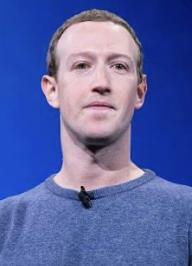
“Invention, not automation, will be the greatest contribution of superintelligence,” Zuckerberg wrote.
A Need for Distribution
While early artificial intelligence has largely answered questions and automated routine work, Zuckerberg predicted more advanced systems will increasingly generate new knowledge, including helping discover medicines and allowing individuals and small teams to create and operate businesses that previously required much larger organizations.
“Rather than centralizing superintelligence, we should distribute it widely and give every person the ability to direct it,” Zuckerberg wrote.
Personal AI Agents
Zuckerberg said Meta plans to develop personal AI agents capable of assisting users across areas including relationships, health, finances and hobbies. He said the company also plans a fully private mode that Meta itself would be unable to access.
Meta also intends to develop a dynamic auction system for computing capacity that Zuckerberg said could help keep prices down while allocating computing resources according to demand.
“My agent flags interesting information and helps me prototype ideas,” Zuckerberg wrote of his experience with an early version of the technology.
‘Important Safeguard’
Zuckerberg also argued that broadly distributing AI could provide an important safeguard against the concentration of power.
As one example, he said a single person with access to a superintelligent legal system could have an overwhelming advantage in court. If everyone had comparable technology, however, he argued the legal system could operate more fairly and efficiently.
He made similar arguments about cybersecurity and competition, saying broadly available defensive AI could strengthen computer systems while preventing a single company with exclusive access to superintelligence from gaining an insurmountable competitive advantage.
“There is no such thing as a singular benevolent superintelligence,” Zuckerberg wrote.
Meta Vs. Others
He positioned Meta’s strategy against competitors he said are primarily developing AI for corporations, governments and other institutions.
“Meta is the company primarily focused on building personal superintelligence for everyone,” Zuckerberg wrote.
Impact on Jobs, Businesses
Zuckerberg predicted superintelligence could lead to smaller companies, comparing the potential shift to the transition from large industrial corporations to technology companies.
But he argued smaller companies would not necessarily mean fewer jobs overall. Instead, he predicted more businesses could emerge, with small teams using AI agents to accomplish work that now requires substantially larger staffs.

Zuckerberg also called for closer cooperation between developers of the most advanced AI systems and the government.
He proposed that frontier AI laboratories provide governments with intermediate training checkpoints before new models are completed. Doing so, he said, would give government engineers earlier opportunities to identify and address security vulnerabilities without delaying public access to completed models.
Additional Initiatives Outlined
Among other initiatives outlined by Zuckerberg:
- Meta is creating a “Future Is for Everyone Fund” to support communities where the company builds data centers.
- Zuckerberg cited Richland Parish, Louisiana, where he said teachers received $50,000 bonuses this year connected to tax revenue generated by a Meta data center project.
- An independent Meta board, rather than Zuckerberg, will approve safety criteria governing model releases and review compliance.
- Meta plans to resume releasing open-source AI models “soon” following the establishment of Meta Superintelligence Labs, although Zuckerberg did not identify which models would be released.



