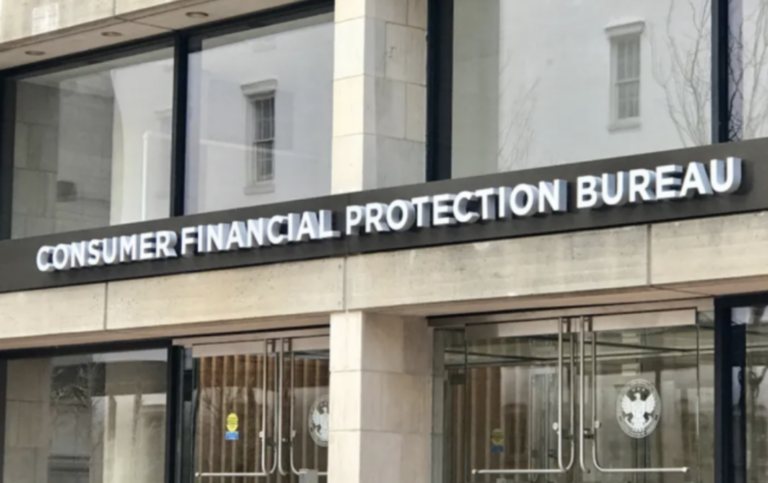
WASHINGTON — The Defense Credit Union Council is urging Congress to establish clearer limits on the Consumer Financial Protection Bureau’s regulatory and enforcement powers while ensuring new requirements account for the structure and risk profiles of credit unions.
DCUC outlined its recommendations in a letter to House Financial Services Committee Chairman French Hill and ranking member Maxine Waters in response to a committee discussion draft proposing changes to the CFPB’s structure, rulemaking, supervision and enforcement authorities.

The organization said it supports efforts to make the consumer financial regulatory system more accountable, transparent and predictable but urged lawmakers to recognize the not-for-profit, cooperative structure of credit unions.
‘Not Competing Objectives’
“Strong consumer protection and sensible regulation are not competing objectives,” DCUC President and CEO Anthony Hernandez said in a statement.
Hernandez, a retired U.S. Air Force colonel, said defense credit unions have a particular responsibility because they serve members of the military, veterans and their families.
“Congress has an opportunity to build a CFPB framework that aggressively protects consumers from bad actors without imposing unnecessary, duplicative burdens on responsible credit unions,” Hernandez said.
The Recommendations
Among its recommendations, DCUC called for:
- Establishing a dedicated, independent inspector general for the CFPB.
- Requiring comprehensive economic analyses of proposed regulations affecting credit unions and community financial institutions.
- Strengthening reviews of the effects proposed regulations could have on small businesses.
- Requiring the CFPB to reconsider its regulations every five years.
- Establishing clearer boundaries governing the bureau’s use of its authority over unfair, deceptive or abusive acts or practices.
- Giving greater consideration to an institution’s good-faith compliance efforts when determining penalties.
Basis for Enforcement Actions
DCUC also argued that enforcement actions should be based on established laws and regulations rather than used to establish new regulatory expectations.
“Credit unions should know what the rules are before the government starts enforcing them,” DCUC Chief Advocacy Officer Jason Stverak said. “Enforcement should punish violations of established law. It should not be the mechanism government uses to create new law.”
DCUC said regulators should take into account whether a credit union voluntarily reports an error, compensates affected members, cooperates with regulators and corrects the underlying problem when determining penalties.
About Civil Money Penalties
Civil money penalties also should be proportionate to the conduct involved and the resulting consumer harm, Stverak said.
The organization said CFPB reforms should result in clear rules established before enforcement, requirements proportionate to an institution’s size and risk, a single primary examiner and meaningful consideration of good-faith compliance.
The goal, DCUC said, should be a regulatory system that protects consumers without unnecessarily limiting access to responsible financial services.