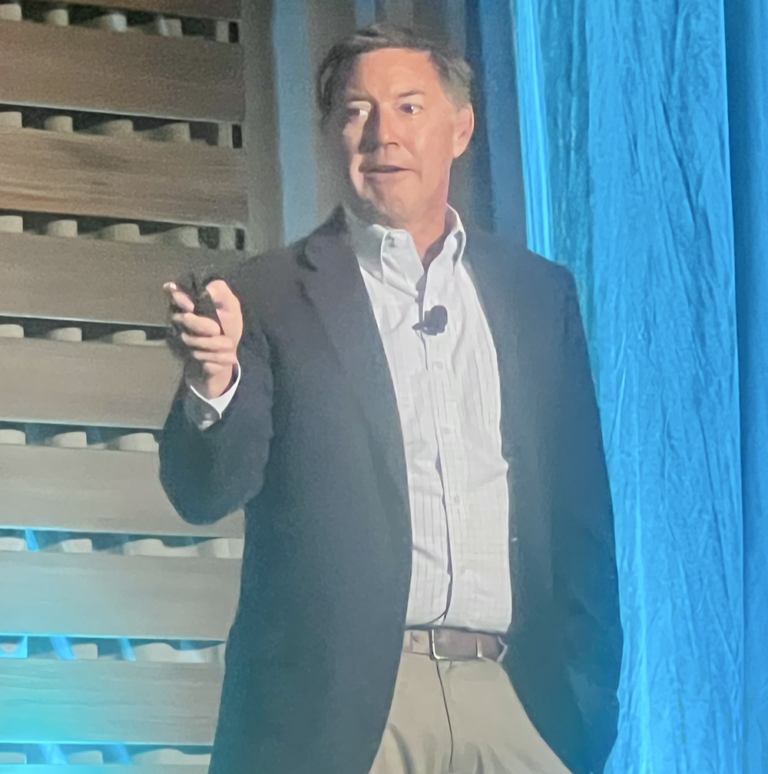
LOST PINES, Texas–Faster payments are no longer fast enough—they need to be instantaneous if a credit union expects to remain relevant and competitive, especially when a one surprise competitor may be stealing members without the credit union even realizing it, a group of CU leaders here were told.
Dan Gonzalez, VP, head of national accounts with the Fed, outlined for attendees at Catalyst Corporate’sStrategic Summit what is taking place with FedNow, the payments landscape and more during remarks at the conference.
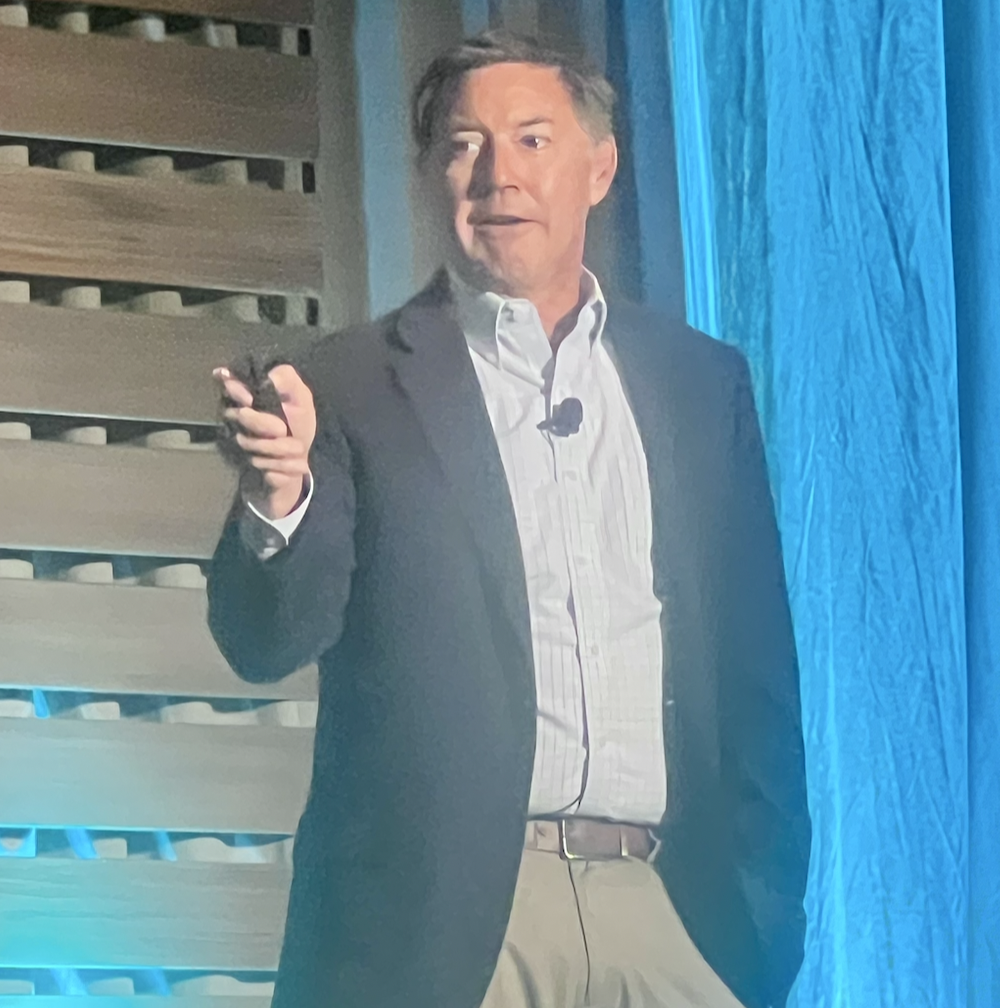
Gonzalez said questions credit unions should be pondering right now include”
- How are your members getting paid for goods and services today?
- How are you and your members paying your employees?
How are you and your members paying your vendors? - How do you quantify “invisible” revenue loss? Members who never actively complain but slowly reduce engagement, move money from the CU and eventually close accounts? Gonzalez called this group the “quiet quitters.”
He noted that when it debuted in 2023 FedNow was first new payment rail in 40 years and brought real-time payments.
“Everybody is competing for your members’ attention and in some cases those nonbank players are winning, because your members are using them even though they would rather trust you or use your services, but they’re things that you’re not offering today,” Gonzalex said.
While digital assets continue to grow, Gonzalez reminded they are being held in various wallets and are not a payment system.
Why Does it Matter to Credit Unions
All of this matters to credit unions, said Gonzelez, because:
- Member expectations are accelerating
- Revenue and efficiency potential
- Rising fraud threats. “We can’t dismiss this. We talk about this all the time.”
- Shifting industry standards
- Competitive advantage for early movers. “An asterisk on this: We are really getting past that early-movers stage,” Gonzalez told the meeting.
Consumer Trends & Insights from Research
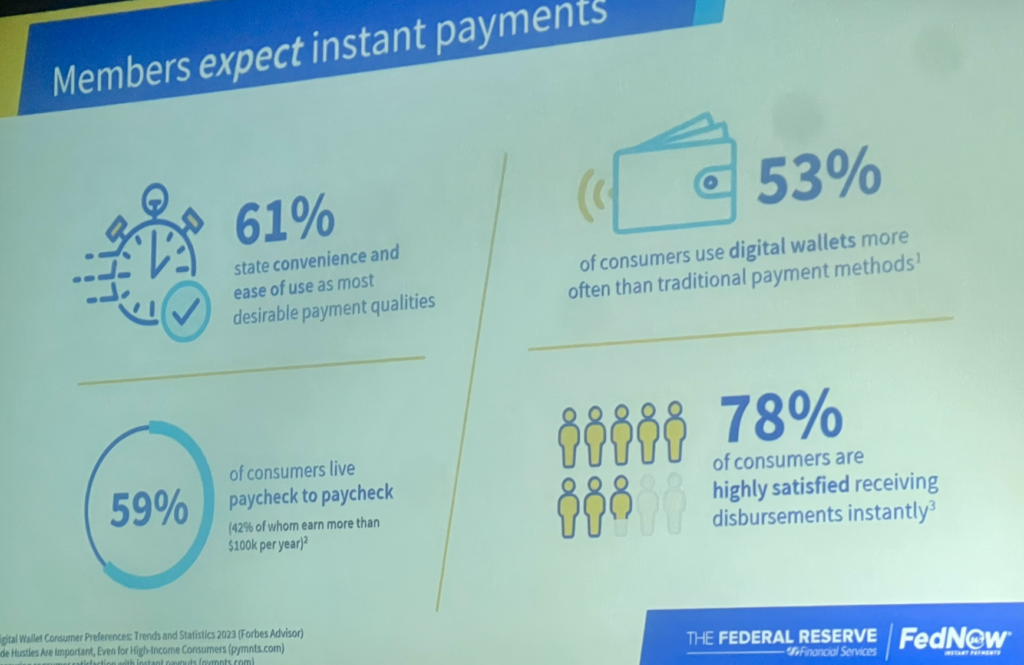
Gonzalez shared this chart, below, to illustrate consumer expectations.
The Rise of Instant payments and the infrastructure
Gonzalez said there is a difference between a “faster payment” and “instant payment.” With the former, a message has moved, but the money hasn’t. With the latter, the money moves instantly.
Gonzalez noted FedNow is available 24/7/365 and the transactions settle fast (the average is 1.3 seconds from time initiated and posted and then available to the member). “There are no holds, no delays,” said Gonzalez. “The credit union also gets the money. So, there is no settlement risk.”
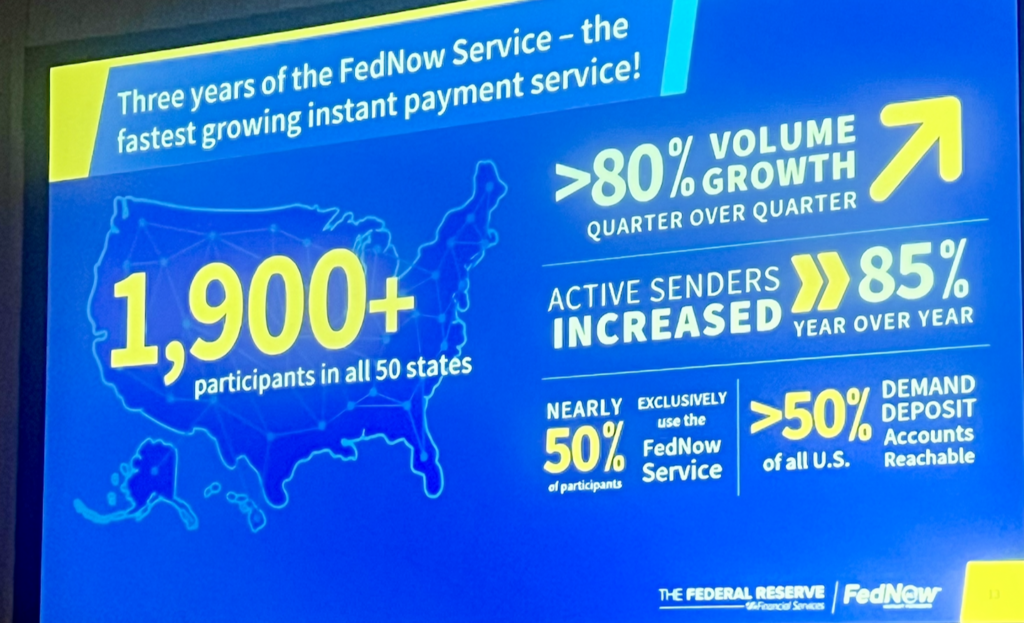
“We have got a really good growth pattern on instant payments in the U.S.,” Gonzalez stated.
Looking Forward & a Word of Caution
Gonzalez said 70%-80% of Fis are expected to be able to receive instant payments by 2028, while 30% to 40% of Fis are expected to be able to send instant payments by 2028.
At the same time, Gonzalez cautioned a lot of payroll companies are currently using offer to pay people every day instantly as a way to “steal your members.” If the credit union where member has account doesn’t offer instant deposit, the payroll provider provides a list of FI options where the member can receive their pay daily. “These are the quiet quitters,” Gonzalez said. “They are never going to come into the credit union and ask why don’t you have this. They are just going to leave.”
Dispelling a Myth
Gonzalez spoke to the oft-made statement that “Faster payments mean faster fraud.” He said it’s a myth. The data show that instant/real-time payments have the lowest level of fraud among all the various payments rails.
The biggest risk, he said, lies on the send side and he urged credit unions to “lock down” their processes. He added that the Fed has introduced a Payee Name Verification Tool aimed at reducing the risk of payment fraud.