TROY, Mich. — Millennials and Gen Z customers account for 67% of new primary checking accounts in the United States, and online banks and financial technology companies are winning a growing share of their business, according to an inaugural J.D. Power study.
Online banks and fintechs hold 20% of existing primary checking relationships among those generations but captured 28% of newly opened accounts, J.D. Power said. They also scored higher than traditional banks on customer satisfaction, with particular strengths in real-time balance visibility and helping customers avoid overdrafts, declined transactions and unexpected fees.
“Millennials and Gen Z don’t want checking accounts that simply store and move money,” Paul McAdam, J.D. Power’s senior director of financial services, said in a statement, adding that they increasingly expect an account to give them a clear view of their finances, help them avoid fees and provide useful information.
Satisfaction And Account Features
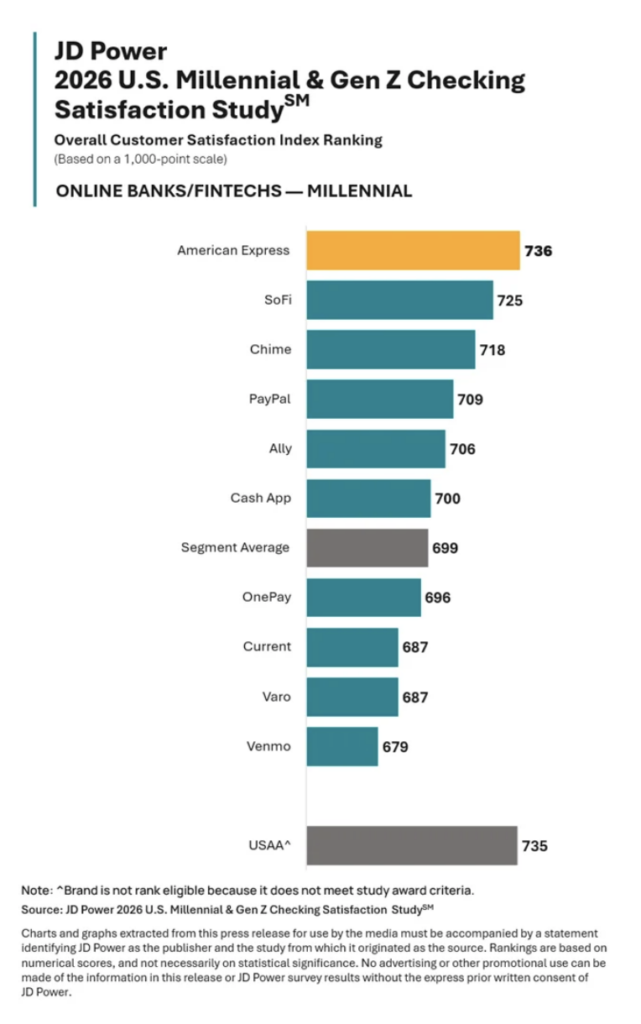
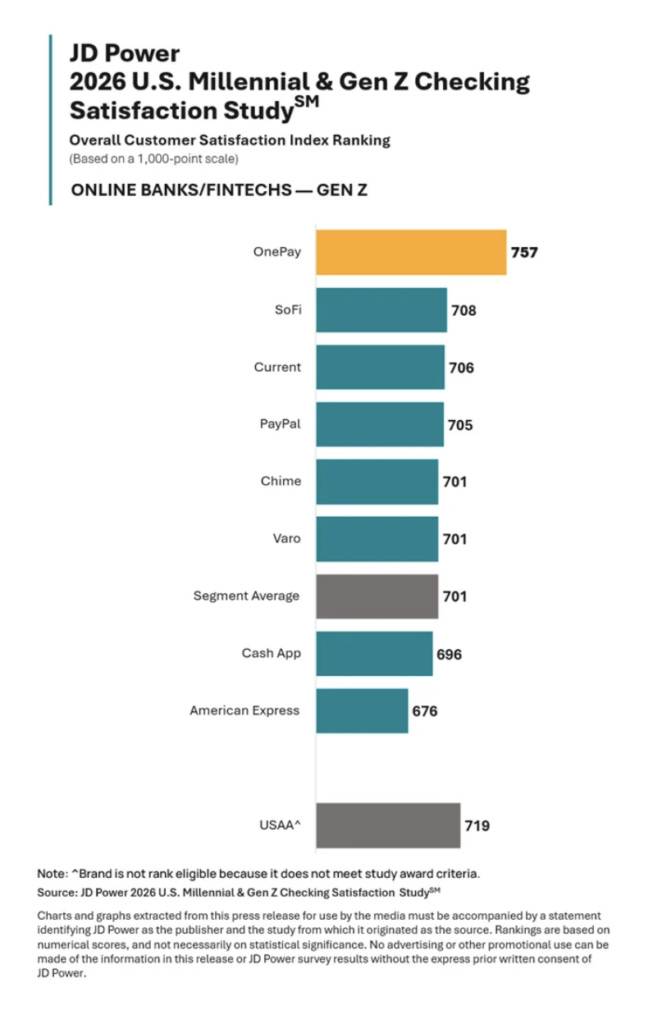
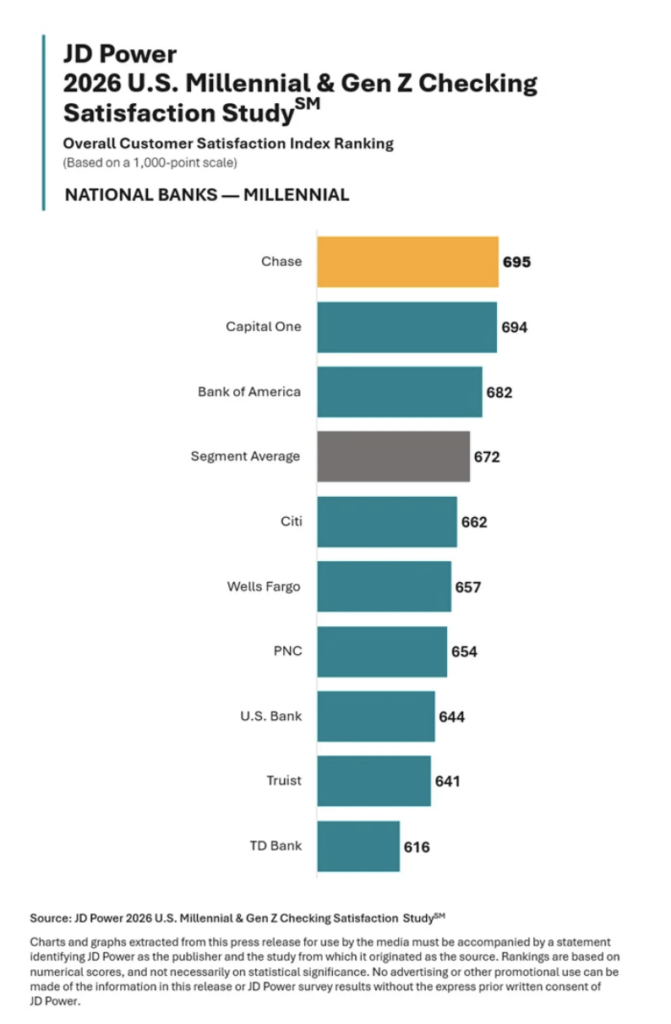
Among millennials, online banks and fintechs averaged 699 on J.D. Power’s 1,000-point satisfaction scale, compared with 672 for national banks and 617 for regional banks. Online banks and fintechs averaged 701 among Gen Z customers, also exceeding the scores for national and regional banks.
Seven of the 10 highest-scoring individual checking accounts were premium, relationship or rewards products. Five of those seven offer benefits tied to maintaining a qualifying balance, a structure that can deepen relationships with more affluent customers while raising satisfaction scores, J.D. Power said.
The study also found opportunities for banks to make better use of features they already offer. Of 32 measures J.D. Power identified as affecting satisfaction, 14 depend on whether customers know a feature is available, even if they do not use it. Features involving credit-building, budgeting, financial planning, cash back and financial education presented some of the largest opportunities.
Customers Read Bank Messages
Only 8% of millennial and Gen Z bank customers said they never read communications about their checking accounts, while 38% said they always read emails. Satisfaction among customers who always read those emails was 90 points higher than among customers who read them sometimes or never.
The content may be missing opportunities to help them, J.D. Power said. Only 11% recalled receiving email information about managing subscriptions or recurring payments, and 14% recalled information about new account features and tools.
Study Rankings
J.D. Power reported the following leaders by customer group and provider type:
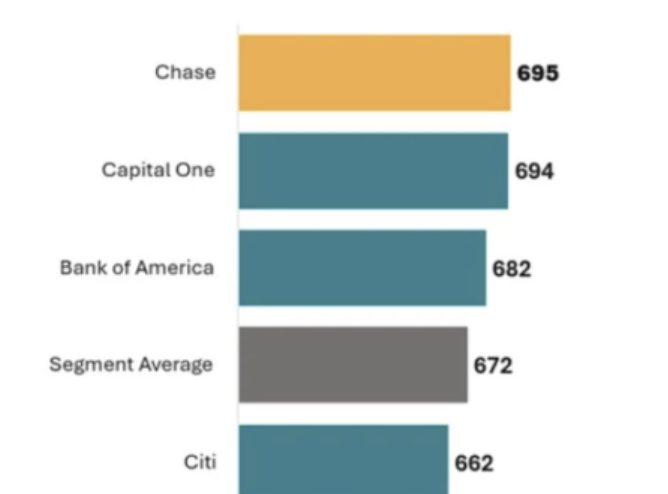
- Millennials, national banks: Chase ranked first with a score of 695, followed by Capital One at 694 and Bank of America at 682.
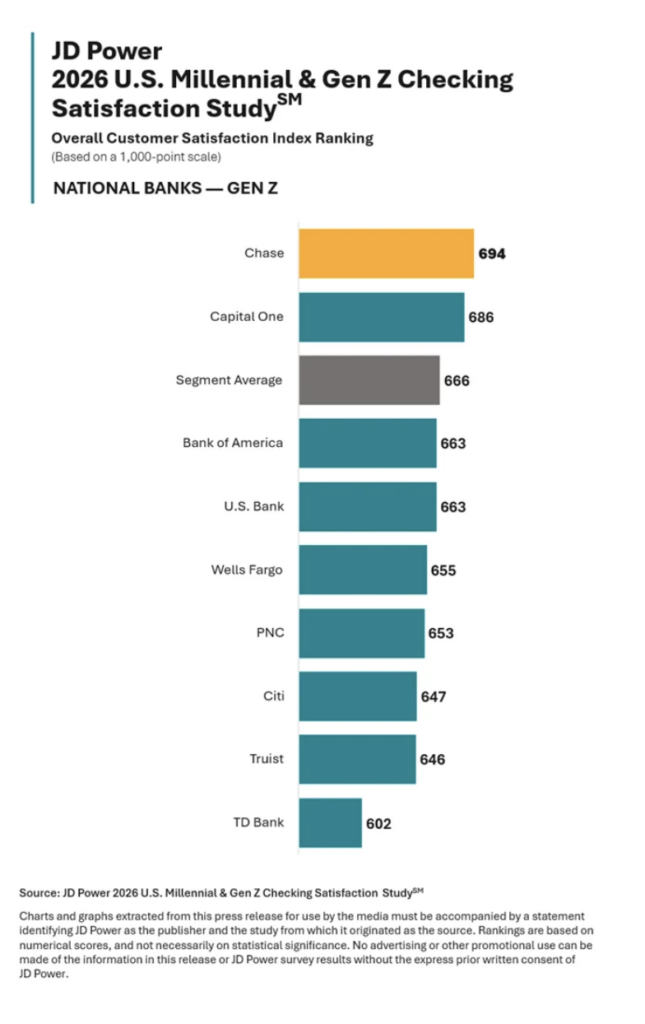
- Gen Z, national banks: Chase ranked first at 694, followed by Capital One at 686.
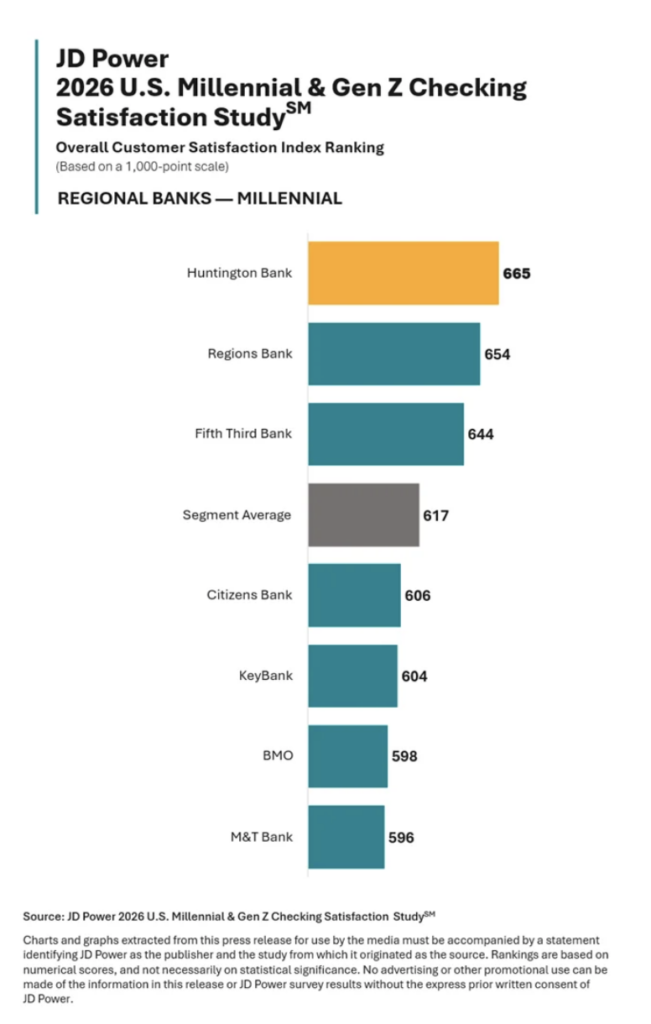
- Millennials, regional banks: Huntington Bank ranked first at 665, followed by Regions Bank at 654 and Fifth Third Bank at 644.
- Millennials, online banks and fintechs: American Express ranked first at 736, followed by SoFi at 725 and Chime at 718.
- Gen Z, online banks and fintechs: OnePay ranked first at 757, followed by SoFi at 708 and Current at 706.
About the Study
The new U.S. Millennial & Gen Z Checking Satisfaction Study examines checking and spending accounts at large banks, online banks and fintechs in the continental United States. J.D. Power said its findings are intended to show financial institutions which experiences, features and capabilities most affect satisfaction among younger customers.
The survey included 23,386 U.S. adults age 18 or older who maintained a balance in an active checking or spending account and had interacted with it in the previous month. It was conducted from June through July 2026. J.D. Power defines millennials as people born from 1982 through 1994 and Gen Z as those born from 1995 through 2008.