WASHINGTON — Federal Reserve Vice Chair Philip Jefferson has become the latest central bank official to signal that another interest rate increase can wait, saying policymakers may need more time to assess the economy following September’s increase.
Jefferson’s remarks echoed comments made last week from New York Fed President John Williams and were followed by a similar message from Michelle Bowman, the Fed’s vice chair for supervision. The statements helped reduce investors’ expectations for an increase at the Oct. 27-28 meeting, according to the Journal.
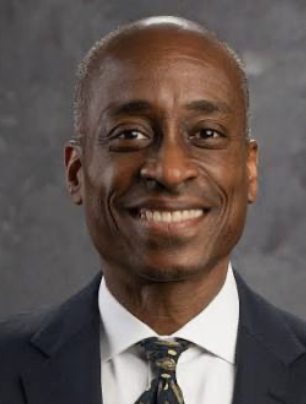
Speaking in Charlottesville, Va., Jefferson noted that Treasury yields across maturities had risen since the Fed’s September meeting, reflecting investors’ reassessment of the economic outlook. He said officials need additional data to judge inflation’s trajectory and the appropriate direction of monetary policy.
Williams said there was no urgency to raise rates again after the Sept. 16 increase, the Journal reported.
Jefferson and Williams support Chairman Kevin Warsh in an informal leadership group known as the troika. Their similar messages suggest the preference for a slower approach reflects the leadership’s thinking, according to the newspaper.
Higher Yields Could Restrain Growth
The benchmark 10-year Treasury yield has climbed to about 5.25% from 5% when the Fed raised rates in September, the Journal reported. Higher long-term borrowing costs can restrain spending and investment, potentially accomplishing some of the tightening policymakers seek through rate increases.
Bowman also urged patience during a question-and-answer session Thursday at the Atlantic Council in Washington, saying officials need time to understand how September’s increase will work through the economy.
Logan Sees Need for More Increases
Dallas Fed President Lorie Logan offered a different assessment Thursday, saying the Fed likely needs to raise rates by at least another half-percentage point to keep inflation from settling above its 2% target, according to the Journal.
Logan, a voting member of the Fed’s policymaking committee this year, said two additional quarter-point increases, combined with September’s increase, would reverse the three cuts made last year to guard against a sharper labor-market slowdown that has not materialized.
She said rates must reach a level that restrains economic activity, a threshold that remains uncertain and could require further increases.
Logan also distinguished between higher Treasury yields driven by expectations of more aggressive Fed policy and those driven by rising term premiums — the additional compensation investors demand for holding longer-term debt. The latter can slow the economy and reduce the need for additional monetary tightening, she said.
Markets Scale Back Expectations
Before Williams spoke, interest-rate futures markets put the probability of an October increase at more than two-thirds. Those odds fell to about one-third Thursday morning and roughly one-quarter later that day, according to CME Group figures cited by the Journal.
The newspaper said Williams and Jefferson appeared to be tempering expectations without committing to a particular decision. That presents a challenge for Warsh, who has rejected the verbal guidance his predecessors used to shape expectations for upcoming policy moves.
Warsh is scheduled to speak with International Monetary Fund Managing Director Kristalina Georgieva on Oct. 16 in Bangkok, a day before Fed officials begin their customary quiet period ahead of the next meeting. The appearance could provide an opportunity to reinforce or adjust the message, the Journal reported.