
WASHINGTON — Federal Reserve Chairman Kevin Warsh said the central bank will reduce the number of meetings at which it votes on interest rates beginning in 2027, setting aside more time to examine broader monetary policy questions.
The Federal Open Market Committee will continue meeting eight times annually, but only seven meetings next year will include an expected vote on the federal funds rate. In 2028, six meetings will be devoted to rate-setting and two to longer-term strategy, Warsh said at an Oct. 28 news conference.
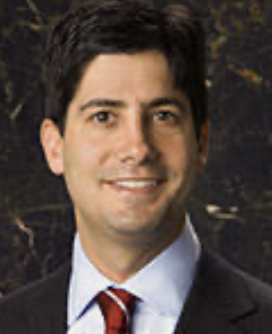
“We believe eight meetings per year is the right number for the (Federal Open Market Committee), but in 2027, one meeting will focus exclusively on broad monetary policy strategy, with neither a vote on the federal funds rate nor a policy statement anticipated,” Warsh said, according to Reuters.
The Wall Street Journal reported that the change could give policymakers more time to assess economic conditions, but it could also delay routine responses to rapidly shifting inflation or employment trends.
A Break With Longstanding Practice
The Fed has held eight regularly scheduled policy meetings annually since 1981, during Paul Volcker’s chairmanship. The New York Times reported in July that Warsh had raised the possibility of reducing the frequency of rate-setting meetings as part of a broader effort to change how the Fed operates.
The central bank retains the ability to make emergency policy decisions between scheduled meetings, as it did during the onset of the COVID-19 pandemic.
Warsh said the strategy-focused sessions would allow policymakers to consider longer-term questions rather than concentrate exclusively on incoming economic data. He did not identify which 2027 meeting would be reserved for strategy or specify what public information would follow it, Reuters reported.
Rates Held Steady
The announcement followed the Fed’s decision to hold its benchmark interest rate steady at a range of 3.75% to 4%. Warsh, who became chairman in May, has also curtailed the length of policy statements and press conferences and avoided offering detailed guidance on future rate decisions.