CHICAGO — Used-car dealers can earn substantially more on vehicles—and members can pay more, as well–with odometer readings just below round-number milestones, according to a study that suggests buyers place too much weight on the first digits of mileage figures.
The study, published in the Journal of Marketing Research, found that dealers earned an estimated $46 to $168 more on vehicles whose mileage fell just below certain thresholds than on comparable vehicles just above them.
Andreas Kraft of the University of Chicago Booth School of Business and Raghunath Singh Rao of the University of Texas at Austin examined 4.8 million used-car transactions recorded by the Texas Department of Motor Vehicles from 2014 through 2021.
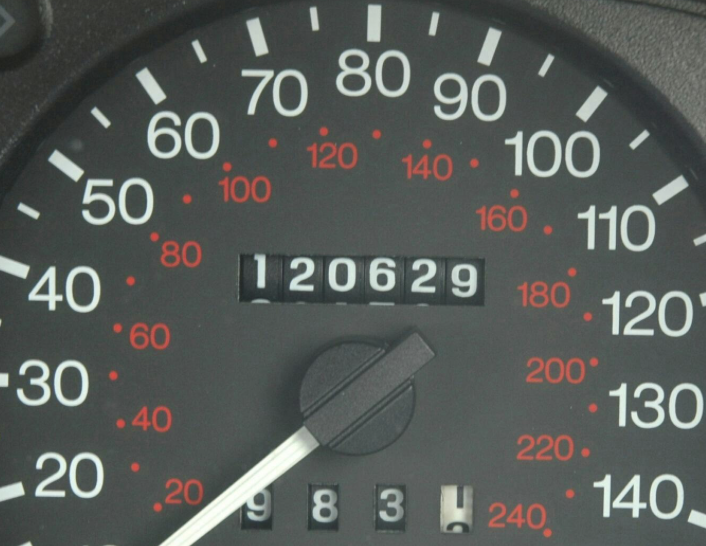
The researchers attributed the price differences to a phenomenon known as left-digit bias, in which consumers give disproportionate attention to the leftmost digits of a number. A vehicle with 49,900 miles, for example, may seem significantly less used than one with 50,000 miles, despite a difference of only 100 miles.
How Dealers Benefit
The researchers described the effect as “behavioral skimming,” in which businesses benefit from buyers who overlook details when assessing value. The study suggests that the pricing advantage can persist even in a competitive market.
The findings indicate that the bias can affect not only the prices dealers receive but also the vehicles they stock and how quickly those vehicles sell.
Although dealers provide services and convenience that can affect prices, the researchers found an additional premium associated with mileage readings just below round-number thresholds.
What Buyers Should Consider
The research does not suggest mileage is unimportant. Rather, buyers should consider the full odometer reading alongside a vehicle’s age, maintenance history, driving conditions and mechanical condition.
Comparing similar vehicles across dealerships and private-party listings may help consumers avoid paying extra for a vehicle simply because its mileage falls on one side of a round number.
The findings also illustrate how the presentation of numbers can shape consumer decisions in other markets, including retail pricing.