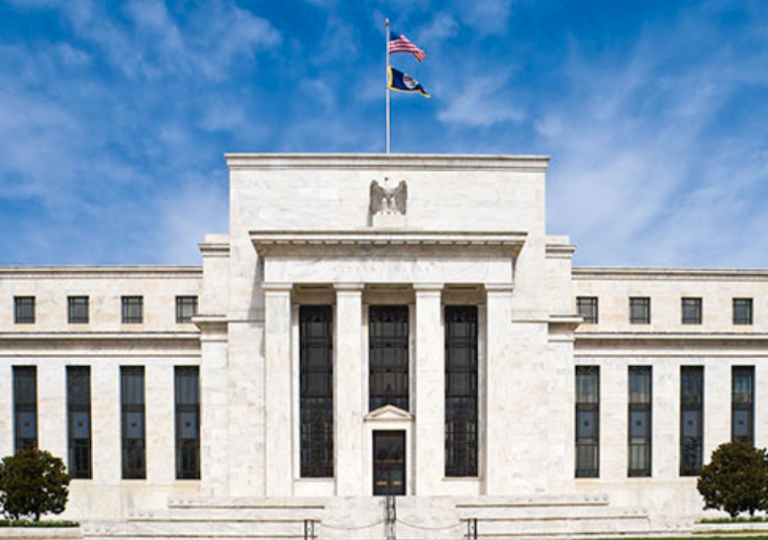
WASHINGTON — Democrats’ gains in the Senate in last week’s elections could sharply restrict President Donald Trump’s ability to reshape the Federal Reserve, leaving him without a clear path to appoint a majority of its seven-member board of governors, according to several new analyses.
Trump has appointed three governors, including Fed Chairman Kevin Warsh, but a Democratic-controlled Senate could refuse to confirm additional nominees for the remainder of his term. The next scheduled opening is the seat held by former Chairman Jerome Powell, whose governor term ends in January 2028.
“He simply cannot get people on the board anymore, cannot get partisan seats filled, just full stop,” Mark Spindel, an investment manager and co-author of a book on the Fed and Congress, told the Journal.
Institutional Barrier
The election outcome adds a potential institutional barrier to Trump’s efforts to exert greater influence over the central bank. Other obstacles have included Powell’s decision to remain a governor after leaving the chairmanship and court rulings that have allowed Gov. Lisa Cook to remain in office while challenging Trump’s attempt to dismiss her over mortgage-fraud allegations she denies.
Even if Trump succeeds in removing Cook, Senate Democrats could block a replacement. They have opposed his recent Fed nominees overwhelmingly, with only Sen. John Fetterman, D-Pa., voting to confirm Warsh in May, according to the Journal.
The president has repeatedly called for lower interest rates, but those decisions rest with the Federal Open Market Committee. Twelve officials vote at each meeting: seven governors, the New York Fed president and four rotating regional Fed presidents. Trump currently has appointed three of the 12 voters.
Under Warsh, the Fed raised rates in September for the first time since 2023 and held them steady in October as inflation concerns mounted. Investors expect another increase in December, the Journal reported.
Potential Additional Constraints
A Democratic Senate could also constrain Warsh’s plans to change Fed communications, economic analysis and balance-sheet management, forcing him to build support among governors he did not select. The Senate would also have a say in the next vice chair appointment when Philip Jefferson’s term in that role expires next year.
Warsh retains significant authority over the Fed’s agenda and senior staff. He has already shortened news conferences and announced fewer rate-setting meetings beginning in 2027.
On banking regulation and payments policy, the absence of a fourth Trump-appointed governor could require support from a Democratic appointee for proposals to ease large-bank capital requirements or expand nonbank access to Fed payment systems, the Journal reported.