

WASHINGTON — U.S. homebuilder confidence fell in November to its lowest level in more than 14 years as elevated mortgage rates discouraged buyers and labor shortages and higher construction costs weighed on developers..
The National Association of Home Builders/Wells Fargo Housing Market Index declined four points to 25, its lowest reading since April 2012. Economists surveyed by Reuters had expected the index to hold steady at 29, according to the report.
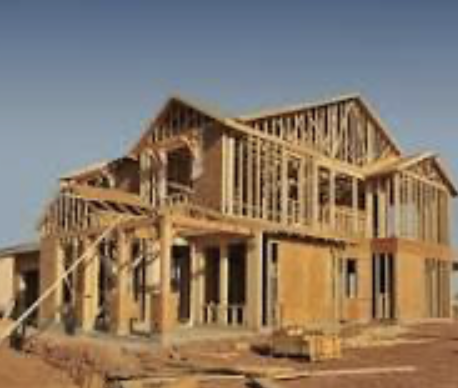
“Stepped-up immigration enforcement is keeping legal workers off job sites, deepening labor shortages and driving up costs,” NAHB Chairman Bill Owens said. “Higher fuel prices are prompting subcontractors to raise their rates sharply, and with fewer buyers in the market, more builders are scaling back construction.”
The Detroit News reported that the average 30-year fixed mortgage rate has risen 1.2 percentage points since U.S. and Israeli attacks on Iran in February. The rate reached 7.40% in mid-October, its highest level in three years, before easing to 7.18%, according to data from Freddie Mac cited in the report.
Pressure from Weak Demand, Rising Expenses
The housing market has faced pressure from weak demand and rising expenses. The National Association of Realtors said last week that existing-home sales fell in October to their lowest level in more than 16 years. Builders also are contending with a large inventory of unsold new homes and higher materials costs linked to import tariffs.
About 46% of builders said they cut prices in November, the largest share since the pandemic, the NAHB survey found. The average price reduction remained at 6% for an eighth consecutive month. Meanwhile, 68% of builders reported using sales incentives, also a post-pandemic high.
The index measuring current sales conditions fell six points to 28, while expectations for sales over the next six months slipped two points to 30. A gauge of prospective buyer traffic declined two points to 16, its lowest level in 15 years outside the onset of the COVID-19 pandemic in 2020.