LAKE BUENA VISTA, Fla. — Artificial intelligence is not simply another technology rollout but a fundamental transformation of how organizations operate, and many organizations are getting some big things “wrong” as they respond to AI, according to a former Amazon executive who also shared an “AI Sprint Framework” to help CUs and CUSOs get up to speed.
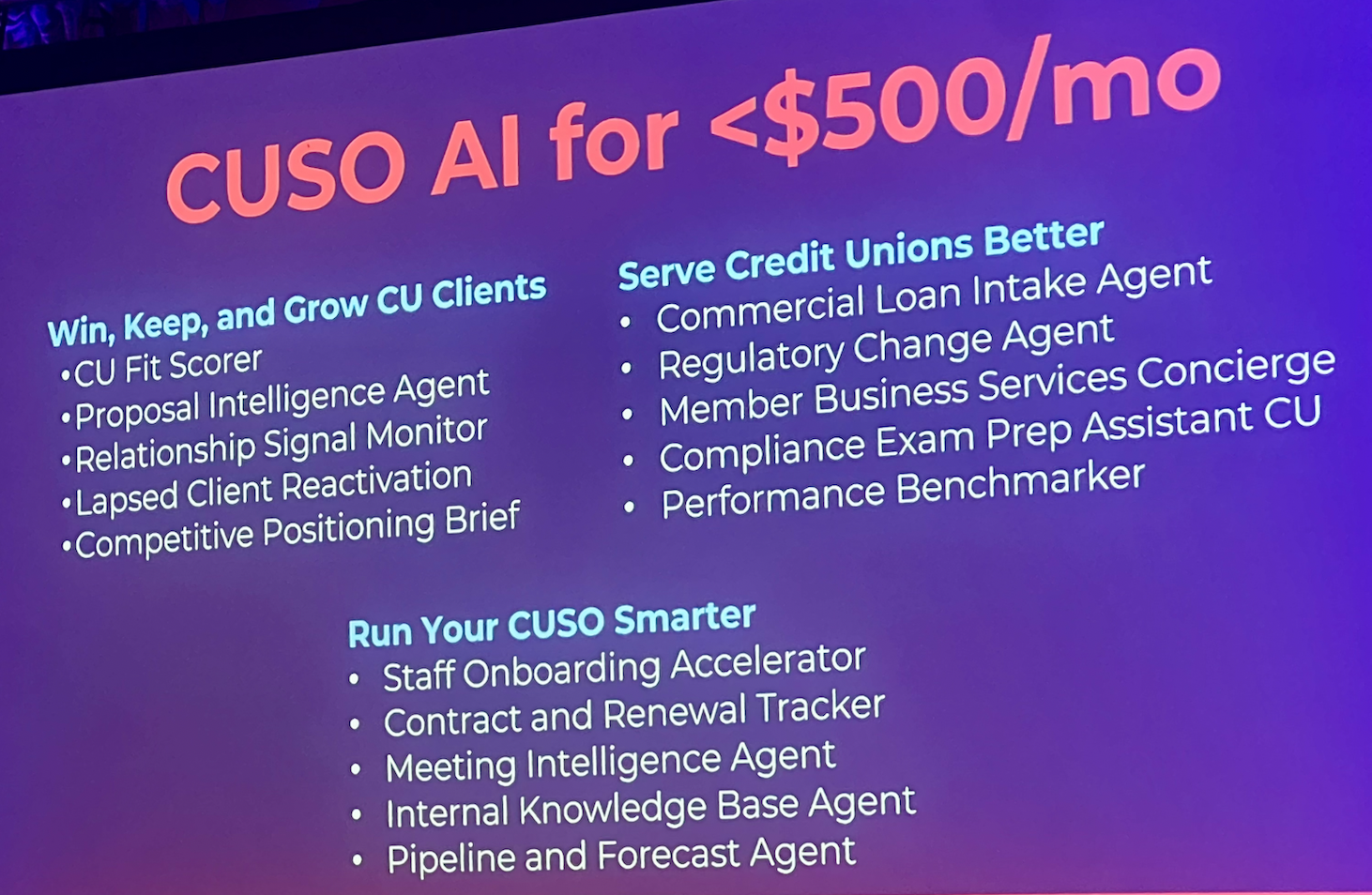
Not only that, but they were also offered advice and strategies on where CUs to begin to very effectively deploy artificial intelligence for less than $500 a month.
Speaking at the NACUSO Reimagine conference, Trent Gillespie—who spent a decade at Amazon before founding Stellis AI—said many leaders are misunderstanding the scope of AI’s impact, and he urged them to rethink strategy, leadership and innovation at scale.

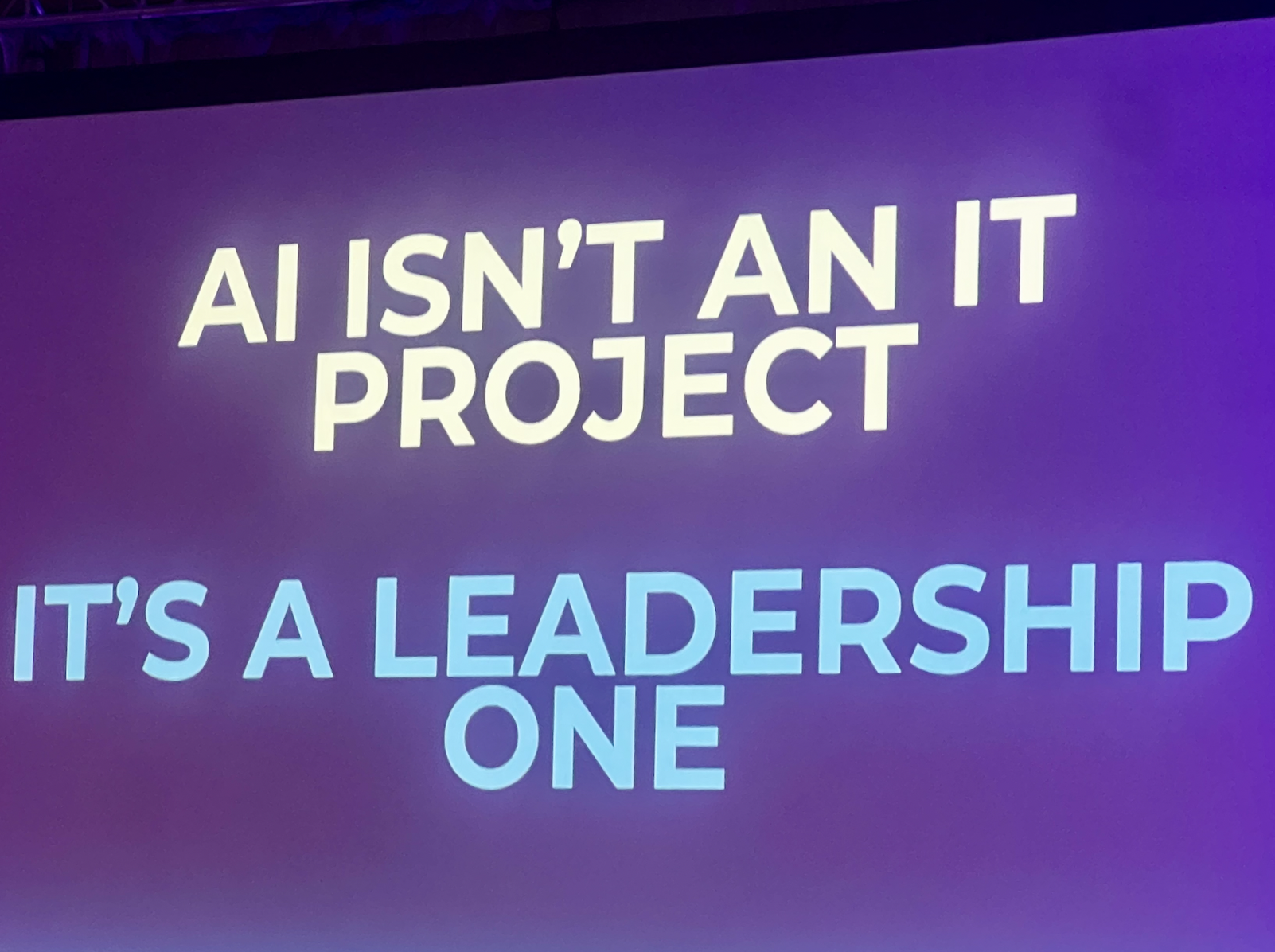
“The first thing that most leaders are getting wrong about AI today is it isn’t an IT project,” Gillespie said. “It is a complete rewiring of your business. It’s going to change your products and your services, your cost structures, the skills you need, and even your people.”
Builders or Bystanders?
While that level of change may sound daunting, Gillespie said organizations that embrace AI as a learning and reinvention tool can unlock widespread innovation and give employees a sense of purpose as “builders of this future, not just bystanders.”
He pointed to Amazon’s culture as a model, where employees were “expected and empowered to innovate,” with AI used to scale that innovation beyond human limits.
“That combination is what led to its unstoppable growth,” Gillespie said. “Now, with generative AI, those same two things are available to every organization in this room—and it doesn’t require billions of dollars anymore.”
‘Operational AI’ Requires Leadership, Vision
Gillespie said organizations must focus on what he called “operational AI,” built on three core elements:
- Leadership to guide organizations confidently into an AI-driven future
- Vision to align teams and create momentum
- Execution to deliver results across the enterprise
He noted many executives remain uncertain.
“Almost every single day I talk with a leader and they tell me a variation of the exact same thing: I know AI is important, but I don’t know where to start or what to do next,” he said.
Reality Check: AI Already in Use
Gillespie urged credit unions to begin with a “reality check,” noting AI adoption is already widespread—even when unofficial. He told the meeting:
- 50% of knowledge workers are using AI in their work, even if not authorized
- If organizations are not using AI, they are likely in the minority
- Significant opportunities are being missed by inaction
“There is value to it,” Gillespie said, adding that organizations must “get AI out of the shadows and empower people to use it.”
However, he cautioned that simply providing tools is not enough. “Just giving employees AI is not going to transform your company. You need vision,” he said.
Build for the Future Member
Drawing again on Amazon’s approach, Gillespie said leaders should focus on long-term customer expectations. “At Amazon we used this question relentlessly: What will our future customer want five years from now? And then we worked backward from that,” he said.
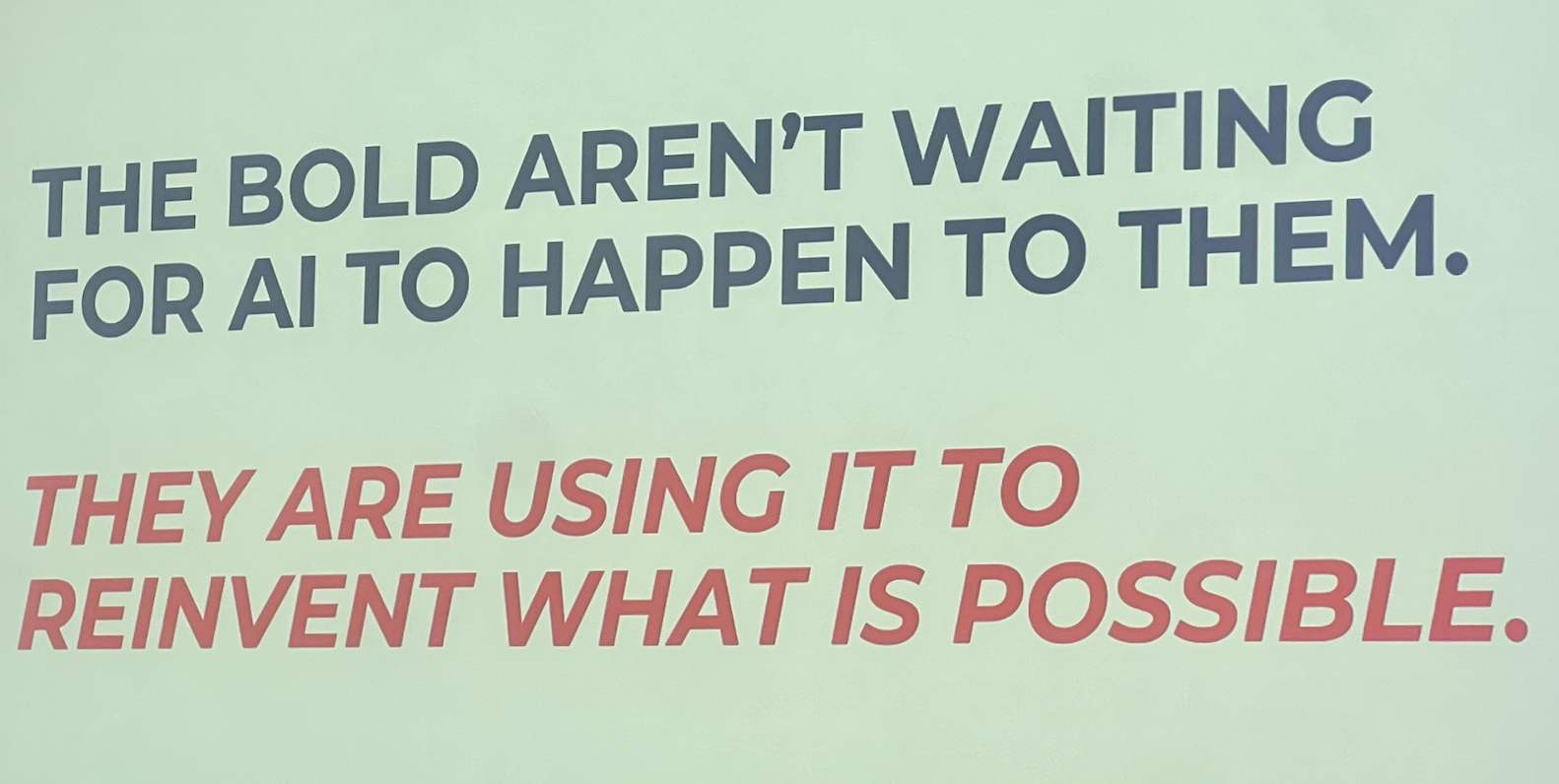
He warned that a major mistake is using AI to optimize for today’s environment instead of reinventing for tomorrow.
“A big AI mistake is using it to optimize for a world that no longer exists,” Gillespie said.
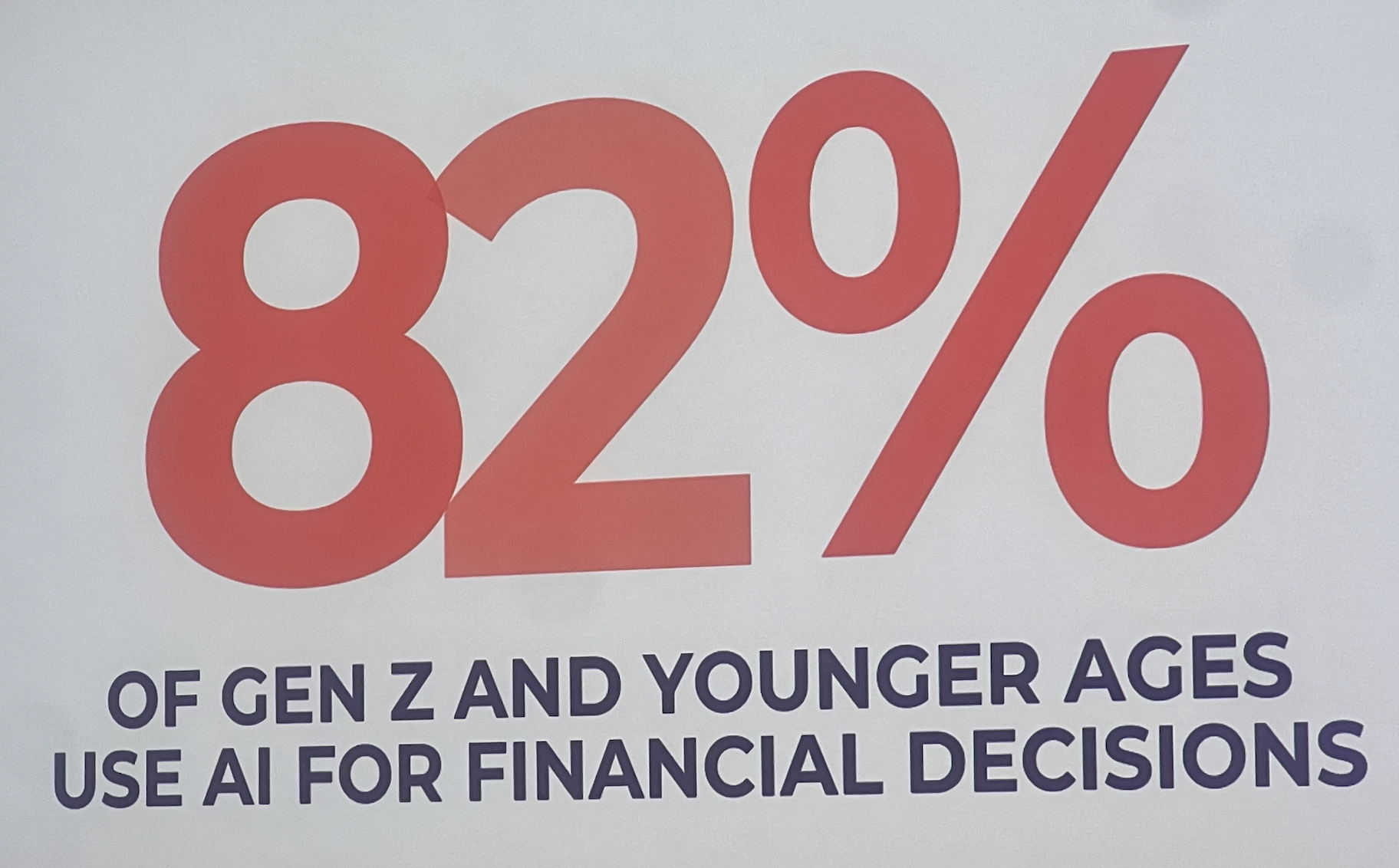
He added that future interactions will increasingly involve AI agents, not just human members, and that younger generations expect AI-enabled services in every interaction.
Five Questions for Credit Unions
Gillespie outlined key strategic questions for credit unions to be asking themselves:
- What do your members say they value most today—such as trust or accessibility?
- Which of those values will still differentiate you when knowledge becomes free and instant?
- Which values will become “table stakes,” making it harder to charge for them?
- Where will members still pay for a uniquely human touch?
- What entirely new value can you create because intelligence is now inexpensive?
Innovation Must Be Decentralized
Gillespie emphasized that future competitive advantage will come from empowering employees closest to the work.
“In the future, when AI applies to every process, your edge is going to come from those people who are closest to the work,” he said. “The smartest people in the room won’t be those who know the most, but those who know how to think and innovate with AI.”
The AI Sprint Framework
To operationalize AI, Gillespie introduced the concept of an “AI Sprint”—a continuous cycle of experimentation, learning and sharing across the organization.
Key steps include:
- Spark action with leader education: Align leadership, assign a transformation owner (should be from outside IT), and launch transformation sprints
- Position the company to win with AI: Design for future, AI-enabled customers
- Rally employees to use AI daily: Create an environment where use is safe, supported and expected; adopt paid tools and develop an AI use manual
- Integrate into sales and marketing: Achieve results without massive investment
- Enable a culture of innovation: Build idea pipelines; AI can boost innovation by up to 100%
- Trailblaze new offerings: Combine human touch with new AI-driven value propositions
“Speed without direction is a treadmill to nowhere,” Gillespie said, stressing the need to align innovation with future customer needs.
Collaboration Remains Core
Gillespie closed by tying AI back to the cooperative roots of credit unions.
“Credit unions were invented because no single member could do alone what they could do together,” he said. “CUSOs were invented for the same reason. AI is the next step in that.”