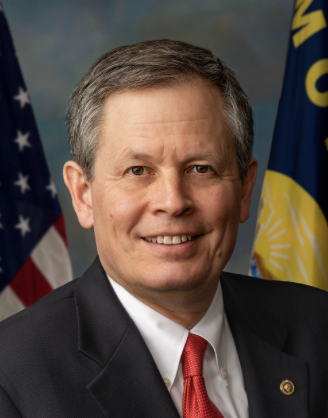
WASHINGTON–Senators Steve Daines (R-MT) and Mark Warner (D-VA) and numerous cosponsors have introduced the “Access to Fair Financing for Opportunity and Resilient Development (AFFORD) Act,” which they said is aimed at providing added transparency over CDFI Fund operations and strengthening its role in improving capital access and economic development in rural, tribal, and other underserved communities in the U.S.
The legislation has the support of credit unions.
Separately, the Defense CU Council has sent several new letters to Capitol Hill (see below).
Proponents say the AFFORD Act say it would also:
- Extend and enhance the CDFI Bond Guarantee Program to enable participation by smaller CDFIs
- Reauthorize the CDFI liquidity enhancement program to increase CDFI lending capacity and reach more communities
- Bolster the role of Native CDFIs by expanding a USDA CDFI relending program that partners with Native CDFIs to deploy mortgage loans to eligible Native borrowers.
‘Access to Capital’
“CDFIs help hardworking families and small business owners in Montana gain access to the opportunities and capital they need for financial success, especially in Montana’s rural and tribal communities,” Daines said in a statement. “It’s critical we improve transparency surrounding the operations of the CDFI Fund to ensure its programs continue to serve the vital role of increasing economic development and helping Montana communities thrive. I’m glad to introduce the AFFORD Act, which will do just that.”
Added Warner in a statement, “CDFIs are critical in bringing capital and financial services to rural, tribal, and underserved communities, and they can be significant partners for local governments to battle rising costs and affordability. I’m proud to be introducing the AFFORD Act, which will expand the capacity of CDFIs so they can reach more communities across Virginia.”
America’s Credit Unions Responds
In response to the introduction of the bill, Scott Simpson, president and CEO of America’s Credit Unions, said, “The most vulnerable communities across the nation require tailored assistance and support to succeed. Credit unions have long been the financial first responders for these underserved populations, acting as a lifeline for access and opportunities. The Community Development Financial Institutions (CDFI) Fund recognizes this important role and provides the additional capital needed to keep credit unions serving the most vulnerable. We thank Sens. Daines, Warner, and the twenty-eight other Senators for their bipartisan work to introduce legislation that will strengthen the CDFI program and, as a result, the ability for credit unions to serve members who need it most. We call on the Senate to quickly pass this important legislation.”
Read the bill text HERE.
DCUC Sends Letters
Separately, the Defense Credit Union Council, DCUC, sent a letter to Senators Padilla (D-CA) and Cramer (R-ND) leadership urging the inclusion of the Central Liquidity Facility (CLF) Enhancement Act language in the upcoming Housing for the 21st Century Act as it moves to the Senate floor.
“During the pandemic, temporary CLF enhancements expanded access from just a few hundred credit unions to more than 4,000 institutions, significantly strengthening financial stability and protecting consumers. When those provisions expired, thousands of primarily small and defense-focused credit unions lost access to this vital liquidity backstop,” DCUC Chief Advocacy Officer Jason Stverak said in a statement. “The Senate has already demonstrated strong bipartisan support for this policy by including the CLF language in its version of the FY2026 National Defense Authorization Act. Although the provision was ultimately removed in conference, its prior passage reflects clear Senate consensus on the importance of strengthening credit union liquidity safeguards.”
‘Zero Cost Reform’
Stverak noted that including the language in the Housing for the 21st Century Act presents a timely opportunity to enact the commonsense, zero-cost reform. “Ensuring credit unions have reliable emergency liquidity directly supports housing stability, mortgage lending continuity, and financial readiness for military families and communities nationwide,” he wrote.
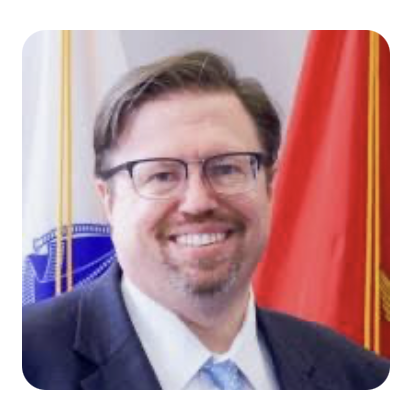
DCUC’s letter stressed the importance of maintaining these critical liquidity tools to protect credit unions and their members. DCUC urges Senate leadership to include the CLF Enhancement language in the final housing package, helping safeguard financial stability for communities across the nation.
Letter Follows Senate Hearing
DCUC also sent a formal letter for the record following the U.S. Senate Committee on Banking, Housing, and Urban Affairs hearing titled “Update from the Prudential Regulators: Rightsizing Regulation to Promote American Opportunity” (see the CU Daily for related coverage).
DCUC outlined several key priorities, including:
- Preserving the Credit Union Tax Exemption: DCUC urged Congress to maintain credit unions’ longstanding tax-exempt status, emphasizing that it enables not-for-profit institutions to reinvest earnings into member benefits. Eliminating the exemption, the letter notes, would increase costs and reduce services for military families and other consumers.
- Opposing a 10% Interest Rate Cap and the Durbin–Marshall Credit Card Competition Act: DCUC expressed strong opposition to proposals such as a one-size-fits-all 10% credit card interest rate cap and the “Credit Card Competition Act.” The Council warned that an arbitrary rate cap would significantly restrict access to safe and affordable credit for servicemembers and other borrowers. It also cautioned that mandated interchange changes would reduce critical revenue used for fraud prevention, cybersecurity, and rewards programs—without guaranteeing consumer savings.
- Supporting Padilla–Cramer CLF Legislation: DCUC voiced strong support for bipartisan legislation introduced by Alex Padilla and Kevin Cramer (S. 3575) to strengthen the NCUA’s Central Liquidity Facility. The Council praised the measure as a necessary step to enhance credit union system resiliency during periods of economic stress and encouraged swift enactment.