WASHINGTON — A new Consumer Financial Protection Bureau biennial review of the U.S. credit card market shows a sector marked by record spending and elevated costs for borrowers, underscoring ongoing concerns about affordability and shifting trends in consumer borrowing, according to the report released this week.
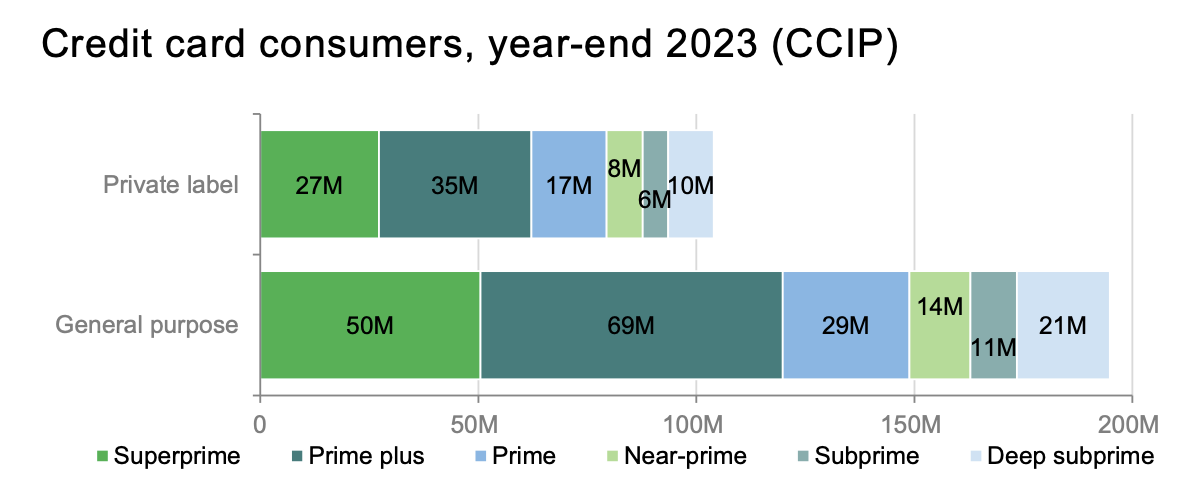
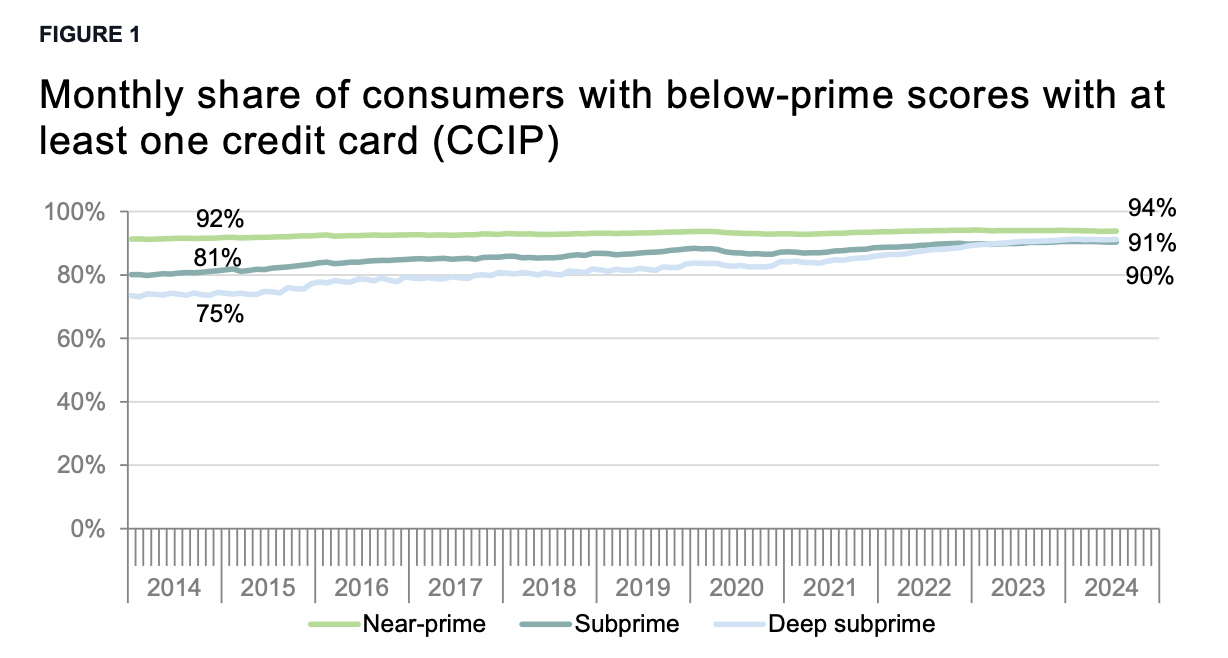
The seventh biennial Consumer Credit Card Market Report, submitted to Congress under the Credit Card Accountability Responsibility and Disclosure Act of 2009, found that total credit card purchase volume climbed to $3.6 trillion in 2024, up from $3.2 trillion in 2022. Nearly all of that increase stemmed from cardholders with higher credit scores, while spending among consumers with prime or lower scores was largely flat despite more people in those categories holding cards, according to the Bureau.

Balances Hit New High
Credit card balances also reached new heights, topping $1.2 trillion with the average cardholder carrying about $5,300 — levels above those seen before the pandemic, the report found. For prime borrowers, average balances were roughly $8,700.
Interest rates on credit cards remained high, with the average annual percentage rate (APR) for general-purpose cards at 25.2% and 31.3% for private-label cards — the highest since at least 2015, the CFPB said. Most of the increase reflects adjustments in underlying benchmark rates.
Delinquencies Flatten
The CFPB report also examined delinquency trends, noting that while charge-offs and past-due accounts reached elevated levels in early 2024, they have since returned to pre-pandemic norms. The Bureau highlighted promotional interest rates and their role in consumer borrowing patterns, finding that accounts with temporary low rates tended to carry higher longer-term balances.
In addition to core data on use, cost and availability, the CFPB’s analysis explored product innovations, spending by merchant category and credit card dispute practices. The report is intended to help lawmakers and regulators monitor risks and trends in a market that remains central to American household finances.