WASHINGTON—A 2019 robbery at a Virginia credit union that was solved using cellphone location data is now at the center of a U.S. Supreme Court case testing the limits of digital privacy under the Constitution.
The case involves Okello Chatrie, who pleaded guilty after authorities used a “geofence warrant” to place his cellphone near Call Federal Credit Union in Midlothian at the time of the theft, according to reporting by the Associated Press.
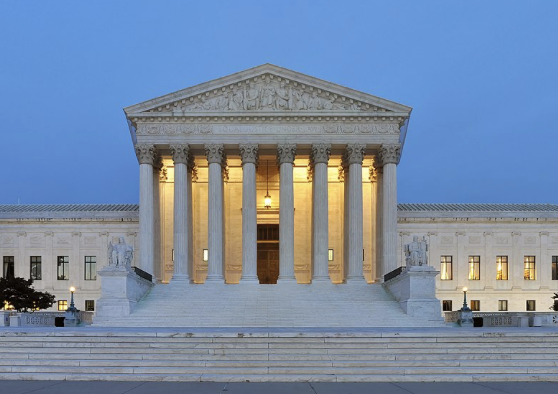
The justices are scheduled to hear arguments today.
Chatrie stole about $195,000 from the credit union and initially evaded capture until investigators turned to Google data that identified devices in the area of the crime. The warrant allowed police to obtain location information for multiple cellphone users near the scene, eventually leading them to Chatrie.
Violation of Fourth Amendment?
At issue before the court is whether such geofence warrants violate the Fourth Amendment’s protection against unreasonable searches. Unlike traditional warrants that target a specific suspect, geofence warrants start with a location and work backward to identify individuals who were nearby.
Prosecutors have said the technique has become a valuable tool in solving crimes, particularly when surveillance footage or other evidence is limited. Civil liberties advocates, however, argue the practice amounts to a broad search that can sweep in data from innocent people who happened to be in the vicinity.
In Chatrie’s case, the geofence data revived an investigation that had stalled. After linking his phone to the area, police obtained a separate warrant to search his home, where they found nearly $100,000 in cash, including bills tied to the robbery. He was later sentenced to nearly 12 years in prison.
Lower Courts Divided
Lower courts have been divided on the issue. A federal appeals court in Richmond upheld Chatrie’s conviction, while another appeals court in New Orleans ruled in a separate case that geofence warrants are unconstitutional “general warrants.”
The case is one of two the court will hear Monday and is expected to have broad implications for law enforcement’s use of digital data, as well as privacy rights in an era of rapidly evolving technology.