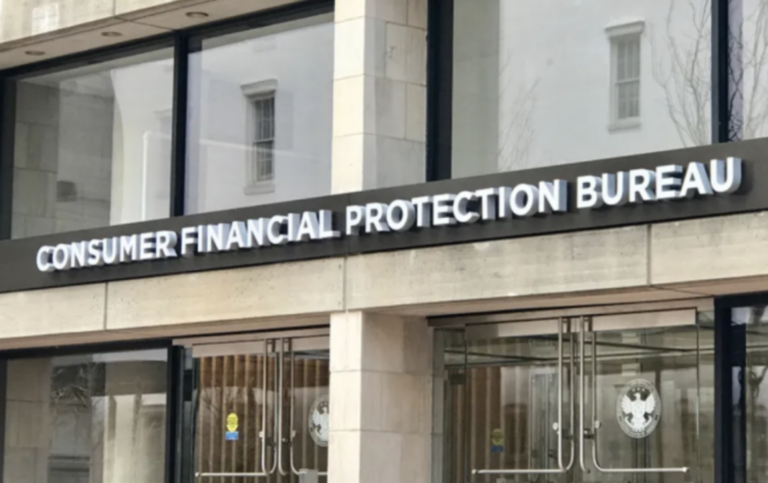
WASHINGTON — The Defense Credit Union Council is urging Congress to pursue targeted reforms at both the Consumer Financial Protection Bureau and the Federal Reserve that it said would strengthen consumer protections while preserving access to financial services for military families and recognizing the distinct structure of member-owned credit unions.
According to DCUC, it submitted four letters to the Senate Banking Committee and the House Financial Services Committee ahead of this week’s hearings on the CFPB’s semiannual report and the Federal Reserve’s semiannual monetary policy report. The hearings coincide with congressional review of a discussion draft of the CFPB Reform Act of 2026 and the Federal Reserve’s July Monetary Policy Report.
“Consumer protection is strongest when it is targeted, transparent, and grounded in the real-world needs of consumers,” DCUC Chief Advocacy Officer Jason Stverak said in a statement. He said the organization supports aggressive action against fraud and financial exploitation but cautioned against regulatory mandates that divert resources from lending, cybersecurity and financial counseling.
In two letters focused on the CFPB, DCUC urged lawmakers to preserve the bureau’s consumer protection mission while increasing congressional oversight, improving transparency in rulemaking and strengthening coordination with the National Credit Union Administration.
According to DCUC, it also asked the CFPB to review existing regulations, examination manuals and guidance to identify requirements that could be simplified or eliminated for not-for-profit credit unions.

Key Recommendations
Among its key recommendations, DCUC called for restoring the CFPB’s Credit Union Advisory Council—or creating a comparable permanent advisory body—to ensure the bureau receives direct input from credit unions before adopting new regulations. The organization said such a panel would help identify unintended consequences for military consumers, rural communities, minority depository institutions and Community Development Financial Institution-certified credit unions.
DCUC also urged the CFPB to rely on formal rulemaking rather than enforcement actions or supervisory findings to establish new compliance expectations. It further recommended eliminating references to “reputational risk” from supervisory materials, recognizing good-faith compliance efforts and providing more practical compliance tools for smaller institutions.
Emphasis on Fraud Prevention
The CFPB letters also emphasized fraud prevention, calling for stronger coordination among the bureau, the Department of Defense, NCUA, Department of Veterans Affairs, Federal Trade Commission, law enforcement agencies and defense credit unions. According to DCUC, the goal is to better protect servicemembers and veterans from identity theft, predatory lending, illegal debt collection, military allotment abuse and scams tied to deployments and permanent change-of-station moves.
Technologies are Addressed
On emerging technologies, DCUC urged policymakers to ensure implementation of the CFPB’s open banking rule under Section 1033, artificial intelligence, faster payments and digital assets does not compromise consumer privacy or the safety and soundness of credit unions. The organization said third-party data recipients should bear responsibility for data breaches or misuse rather than financial institutions that have no control over those entities.
Letters to Fed
In separate letters addressing the Federal Reserve, DCUC encouraged lawmakers to consider how higher interest rates and elevated household costs continue to affect military families. According to the organization, prolonged higher borrowing costs can reduce mortgage affordability, discourage small-business formation and create additional financial strain for families coping with deployments, relocations and military spouse employment disruptions.
DCUC also endorsed continued investment in payment system modernization, including FedNow, ISO 20022 messaging standards and fraud mitigation technologies, while urging Congress and the Federal Reserve to ensure smaller financial institutions have equitable access to those systems without excessive compliance or technology costs.
Warning Shared
The organization further warned that proposals involving interchange fees, routing requirements or payment price controls should not undermine credit unions’ ability to invest in fraud prevention, cybersecurity, card rewards and low- or no-fee financial services.
“Financial readiness is inseparable from military readiness,” DCUC President and CEO Anthony Hernandez said in a statement. “Consumer protection, secure payments innovation, and regulatory modernization must work together so military and veteran families can access safe, affordable, and trusted financial services wherever duty takes them.”
According to DCUC, the four letters also included questions for the congressional record covering CFPB governance and funding, regulatory tailoring, military consumer protection, FedNow access, payment fraud, cybersecurity, digital assets, stablecoins, housing affordability, VA home loans and the impact of federal financial policies on defense credit unions and the communities they serve.